



BY GCWALISILE MHLABANE
MBABANE – In a significant step toward strengthening local industry, national identity, and economic empowerment, Her Royal Highness Princess Sakhizwe has successfully concluded a nationwide consultative tour on the proposed Made in Eswatini® definition, marking a milestone in the Kingdom’s journey toward building a trusted and inclusive local value system.
The initiative, led by A Peculiar People, brought together voices from across the Kingdom in a meaningful national dialogue aimed at defining what it truly means for a product or service to be proudly Made in Eswatini®.
The public consultation process ran from 5 May to 25 June 2026 and attracted 312 stakeholders, including consumers, manufacturers, producers, retailers, policymakers, entrepreneurs, development partners, the media, and the wider business community. The wide participation reflected a growing national commitment to strengthening local production and celebrating homegrown excellence.
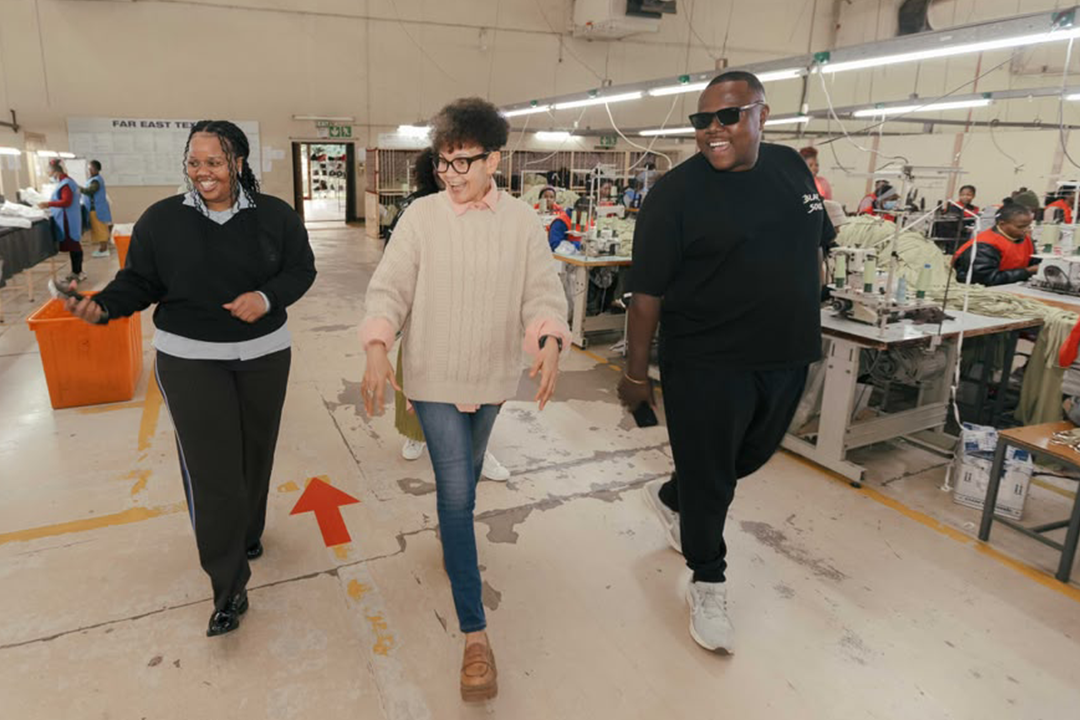
Following the conclusion of the consultations, Her Royal Highness embarked on a consultative tour of key production sites across the country, engaging directly with the people at the heart of Eswatini’s productive economy.

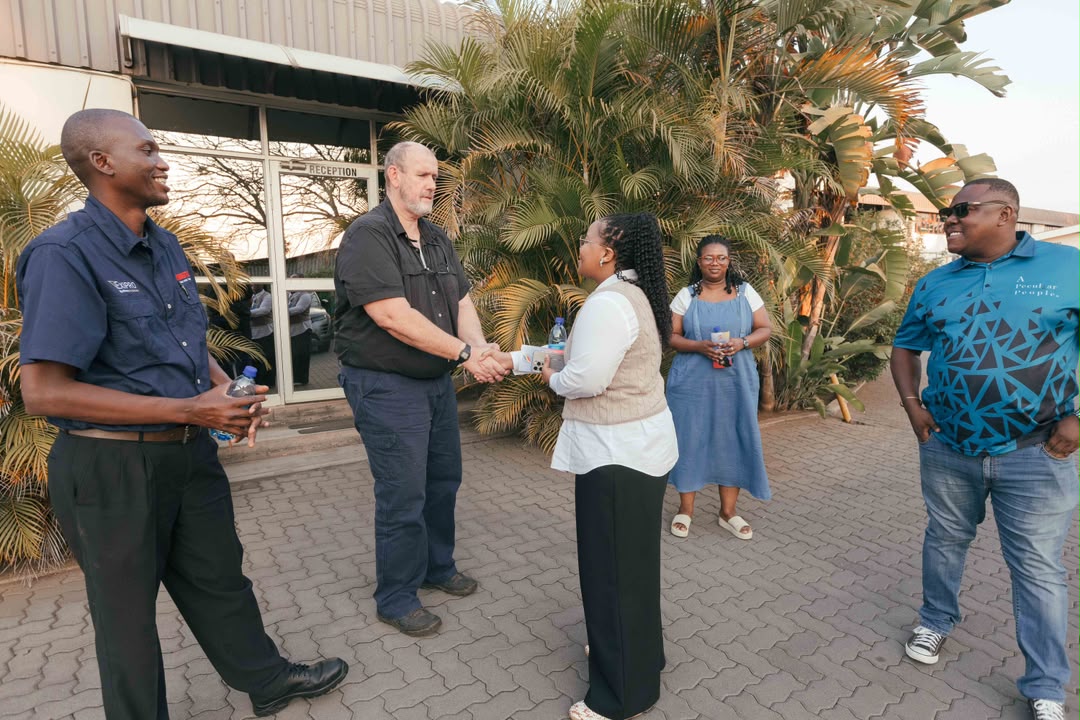
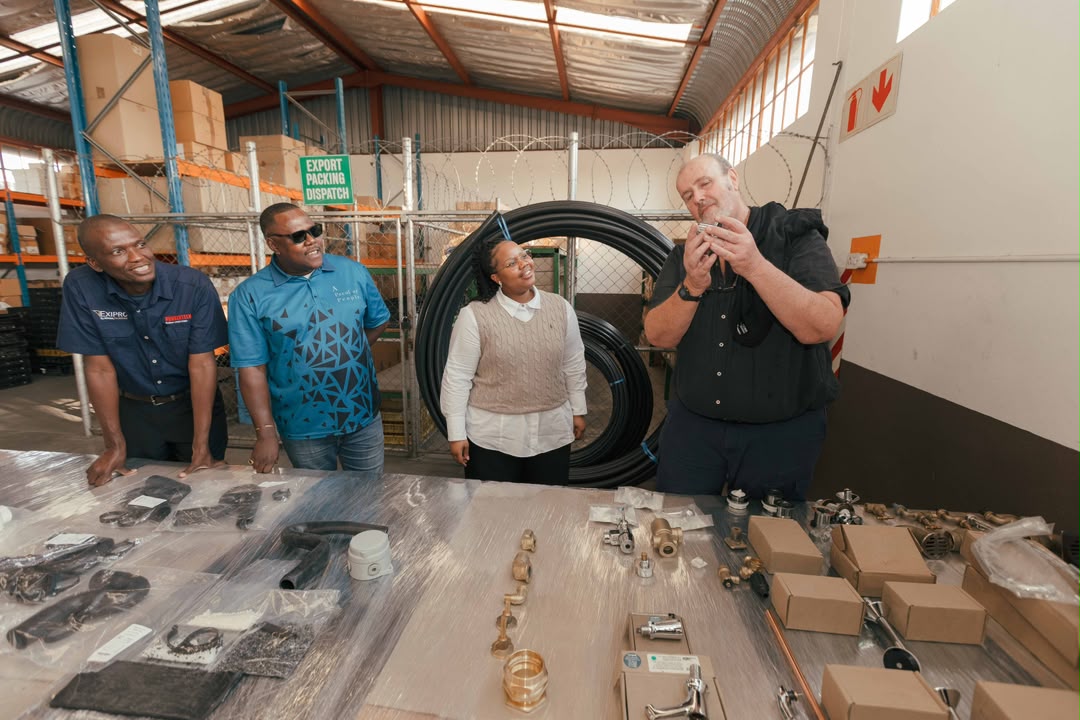
The tour included visits to Ngwenya Glass, Lemanti Manufacturers, Far East Textiles, and Exipro, where she met workers, business leaders, and entrepreneurs.
These engagements offered valuable first-hand insight into local production processes, skills development, employment creation, innovation, and the realities faced by businesses contributing to national growth.
The visits reinforced a shared understanding that the Made in Eswatini® definition must go beyond geography and instead reflect the true value created within the Kingdom’s economy.
Speaking on behalf of A Peculiar People, Chairman Melusi Zox Dlamini said the consultation process revealed a strong national desire for a definition that is both credible and meaningful.
“Our engagements across the country have reaffirmed that Made in Eswatini® must stand for genuine local economic contribution,” said Dlamini. “It should recognise businesses that create jobs, invest in local skills, uphold ethical and sustainable business practices, and contribute meaningfully to Eswatini’s productive capacity.”
He added that the proposed definition is designed to reflect the diversity and strength of Eswatini’s economy, including manufacturing, agriculture, tourism, textiles, services, technology, crafts, and small enterprises.
“This is about building a mark that consumers can trust and businesses can proudly earn,” he said.

Dlamini further emphasised that the strength of the Made in Eswatini® identity will depend on clarity, fairness, and credibility.
“Accreditation that is too loosely defined risks undermining the very businesses it is intended to celebrate,” he said. “By establishing clear qualification categories, we are protecting the integrity of the mark while ensuring it reflects the many ways businesses contribute to the economy.”
The proposed framework will distinguish between products fully made in Eswatini, those substantially transformed locally, services delivered from within the country, and imported goods that are only repackaged or branded locally.
Her Royal Highness Princess Sakhizwe expressed heartfelt appreciation for the unity, honesty, and enthusiasm demonstrated by emaSwati throughout the consultation process.
“I have been deeply encouraged by the willingness of emaSwati to share their experiences, aspirations, and constructive insights,” she said. “The tour has strengthened my appreciation of the ingenuity, resilience, and dedication that define our people.”
She added that the Made in Eswatini® mark carries the potential to become a symbol of national pride and shared prosperity.
“I am confident that this mark will inspire consumers to choose local with confidence, encourage producers to pursue integrity and sustainability, and empower future generations to innovate and invest in our Kingdom,” the Princess said.
A comprehensive report capturing the findings of the consultation is expected to be released on 10 July 2026, providing further guidance for the final definition.
Once finalised, the Made in Eswatini® definition will be officially launched under royal patronage, marking a historic step in strengthening local enterprise, boosting consumer awareness, and deepening national pride in locally made products and services.
A Peculiar People has extended gratitude to all stakeholders who participated in the process, noting that their contributions have helped lay a strong foundation for a credible, inclusive, and enduring Made in Eswatini® ecosystem — one that celebrates local excellence and supports the continued growth of the Kingdom’s economy.


