



…Young people want climate skills, funding and stronger partnerships to turn community challenges into practical solutions
BY NELIWE NGUBANE
MBABANE – Young people in Eswatini are calling for greater access to climate finance, practical green skills and stronger partnerships with government and development organisations, saying meaningful climate action must go beyond discussions and translate into solutions for communities facing the effects of extreme weather.
The call emerged from the Local Conference of Youth (LCOY) 2026, held under the theme Building Sustainable Futures: Harnessing Youth-led Climate Action in the Kingdom of Eswatini, which brought together young people and stakeholders to discuss climate challenges, develop recommendations and strengthen youth participation in climate governance.
Speaking on the Kusile Breakfast Show, project assistant Ncobile Dlamini said one of the conference’s most significant achievements was creating a platform for young people from all four regions to share their experiences, identify local challenges and contribute to discussions on policies that affect their futures.

“The most significant outcome was being able to gather so many young people across Eswatini, to listen to them and possibly make changes,” Dlamini said.
The conference sought to bridge the gap between community experiences and national climate discussions, ensuring that young people are not only affected by climate-related decisions but also participate in shaping solutions.
Extreme weather threatens livelihoods and infrastructure
Among the concerns raised during regional consultations were droughts, flooding, hailstorms and strong winds, which continue to threaten livelihoods, agricultural production and infrastructure.
Dlamini highlighted Lubombo and Shiselweni as particularly vulnerable to extreme weather conditions, although young people across all four regions reported different challenges linked to their local circumstances.
The effects extend beyond damaged property and disrupted livelihoods. Climate-related challenges also affect livestock farming and food production, while changing environmental conditions can contribute to health risks, including malaria and diarrhoeal diseases, particularly among vulnerable communities.
For young people whose livelihoods depend on agriculture, these challenges create additional pressure to find sustainable ways of producing food and protecting their communities.
Dlamini said some young farmers were already adopting sustainable practices, including irrigation and the use of shade nets. However, limited financial support remains an obstacle to expanding these initiatives.
The recommendations therefore seek to strengthen existing community efforts rather than introduce solutions without considering what people are already doing.
Youth demand skills, funding and practical support
The development of a National Youth Climate Statement was another key focus of the conference. Dlamini said the statement was still being finalised at the time of the interview.
Among the priorities identified by young people were capacity building, climate-smart agriculture, sustainable infrastructure, green skills, access to funding and improved water security.
She explained that young people need more than awareness of climate change. They require the technical knowledge, resources and financial support necessary to implement their proposed interventions.
“Advocacy and everything is important, but now we need capacity to actually implement all of this,” she said.
The call for capacity building also reflects the growing importance of green skills, which can equip young people to participate in environmentally sustainable economic activities.
Water security was another concern, with participants proposing the exploration of additional water sources to reduce reliance on natural sources that may become contaminated.
Dlamini said young people also needed a clear plan for implementing their recommendations, alongside funding to turn their ideas into practical projects.
Stakeholders urged to work together
The conference brought together stakeholders, including UNICEF, World Vision, HELAM and government representatives, who shared information about existing programmes and opportunities for community participation.
Dlamini said the discussions revealed that organisations were already implementing various initiatives, but there was room to expand their reach and involve more young people.
She identified fragmented efforts, with stakeholders working independently in different communities, as one of the challenges limiting collaboration.
Some organisations reportedly had projects underway without sufficient youth participation, presenting an opportunity for young people to engage with these initiatives and contribute their ideas.
Dlamini encouraged young people to approach organisations with clear proposals outlining what they wanted to achieve and the support they required.
She also stressed the importance of understanding the structures through which communities can engage with organisations and government institutions.
The aim, she explained, is to strengthen collaboration from grassroots communities to national decision-making structures, allowing stakeholders to combine resources and work towards shared climate goals.
National climate policies offer opportunities
Government participation was another important aspect of LCOY 2026, with the ministry supporting the main conference.
A presentation by Ms Sibulenski addressed Eswatini’s National Adaptation Plan and Nationally Determined Contributions (NDCs), highlighting implementation challenges and gaps that young people could help address.
The policies provide a framework for the country’s climate adaptation and emissions-reduction commitments. Dlamini said understanding their objectives and limitations helped young participants identify areas where their community initiatives could contribute to national targets.
She said young people could use the information to develop interventions that complement existing government and stakeholder programmes.
This approach positions youth-led climate action as a potential partner in implementing national commitments rather than an effort operating separately from established policies.
Young people encouraged to take initiative
Dlamini urged young people who want to participate in climate action to follow organisations, municipalities and other stakeholders working in their communities.
She said opportunities may already exist locally, but young people need to take the initiative to find out what is happening and how they can contribute.
She also highlighted an upcoming Adaptation Action Day in Durban, South Africa, which she said would provide an opportunity for young people to learn about reducing disaster risks.
However, participation should not end with attending conferences or campaigns. Dlamini encouraged young people to use social media to share information, mobilise others and engage organisations on climate-related initiatives.
Accountability must translate into results
Although the conference generated recommendations and strengthened engagement between young people and stakeholders, questions remain about how progress will be monitored and when communities can expect tangible results.
Dlamini said it was difficult to commit to a specific timeline for implementation, but youth organisations participate in stakeholder engagements where policy implementation plans are discussed.
She said these platforms provide opportunities to present young people’s recommendations and advocate for their inclusion in relevant programmes.
At the same time, she cautioned against young people waiting for government and development organisations to deliver change without contributing their own efforts.
Young people, she said, must also demonstrate commitment by developing initiatives, seeking partnerships and showing what they can contribute.
The central message emerging from LCOY 2026 is that climate action requires more than commitments on paper. It demands accessible resources, practical skills, coordinated partnerships and accountability from both decision-makers and communities.
As Eswatini continues to confront climate-related challenges, the impact of the conference will ultimately depend on whether the recommendations are translated into funded programmes, stronger youth participation and measurable improvements in the communities most affected.
#EPN #EswatiniPositiveNews #ClimateChange #YouthLedClimateAction #LCOY2026 #ClimateAction #YouthEmpowerment #SustainableFutures #ClimateResilience #GreenSkills #ClimateFinance #EnvironmentalProtection #Eswatini #PositiveThinkingIsPower
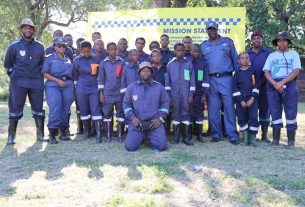
(Courtesy Pic)