


BY THEMBA ZWANE
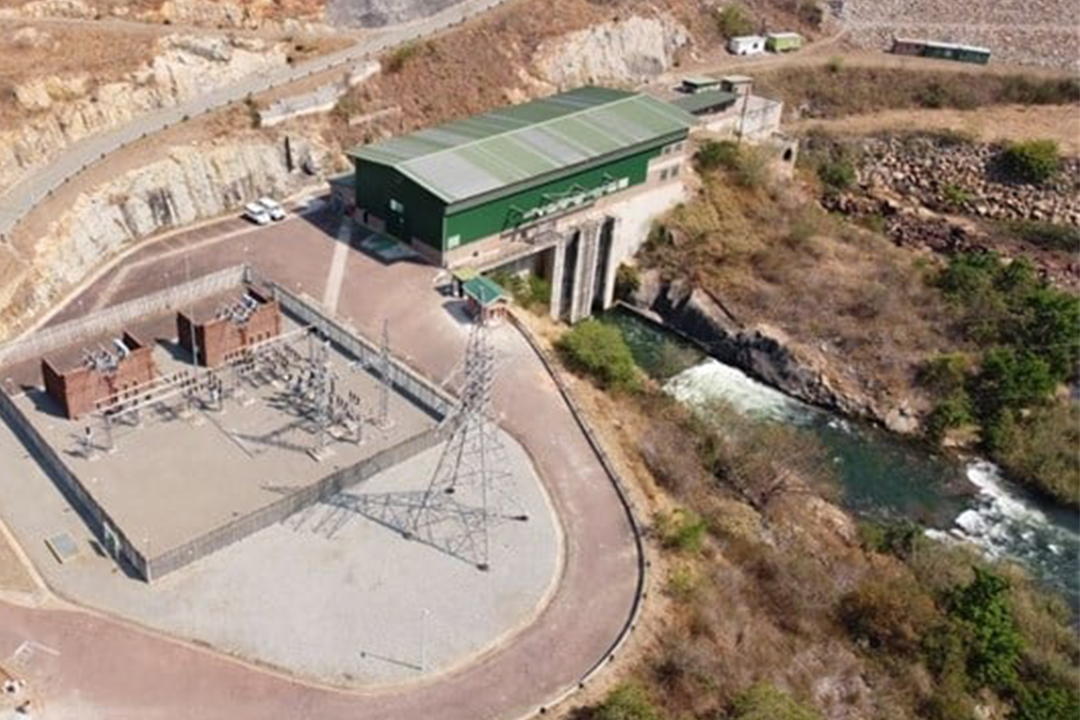
MBABANE – Eswatini is set to strengthen its domestic electricity generation with the Lower Maguduza Hydro Power Project, which is expected to enter commercial operation early next year, 2027.
According to the Eswatini Electricity Company (EEC) Integrated Annual Report, 2025, the project has been allocated to an independent power producer and is anticipated to contribute 13.5MW of run-of-river power to the national grid. This addition will not only increase local energy production but also support efforts to reduce reliance on imported electricity.
Currently, EEC generates approximately 30% of the country’s electricity locally while importing the remaining 70%, with 54% of imports coming from Eskom. The report notes that the energy landscape is shifting, particularly among commercial and industrial consumers, many of whom are installing embedded solar PV generators. While solar power offers new opportunities, it also presents challenges for grid management due to its intermittency.
To address this, EEC is exploring collaborations with commercial and industrial clients to maintain grid stability while ensuring compliance with national regulations. The company is committed to balancing fairness in grid access with the integration of new players under the national grid code.

The report highlights that despite financial constraints, EEC has made progress on strategic initiatives, with a focus on expanding generation capacity. Some initiatives have been deferred by a year to ensure the most impactful projects move forward efficiently.
A key step in enhancing the company’s capacity to partner with the private sector has been the creation of a wholly-owned subsidiary. This subsidiary allows EEC to enter into partnerships with developers without altering its core structure. Through this vehicle, the company can establish special purpose vehicles (SPVs) that will build power plants and sell electricity back to EEC, fostering public-private collaboration in the energy sector.
With the Lower Maguduza Hydro Power Project, EEC demonstrates a commitment to increasing local electricity generation, improving energy security, and providing a reliable supply for households, businesses, and industries. Once operational, the project is expected to enhance the stability of the national grid, reduce the need for imported electricity, and support Eswatini’s broader economic growth objectives.
The project represents a strategic step forward in Eswatini’s energy sector, reflecting both innovation and collaboration between government, private sector partners, and independent power producers.