



BY MBONO MDLULI
LOBAMBA – The 2026/27 National Budget Speech is set to be debated in the House of Assembly on Monday, March 2, 2026.
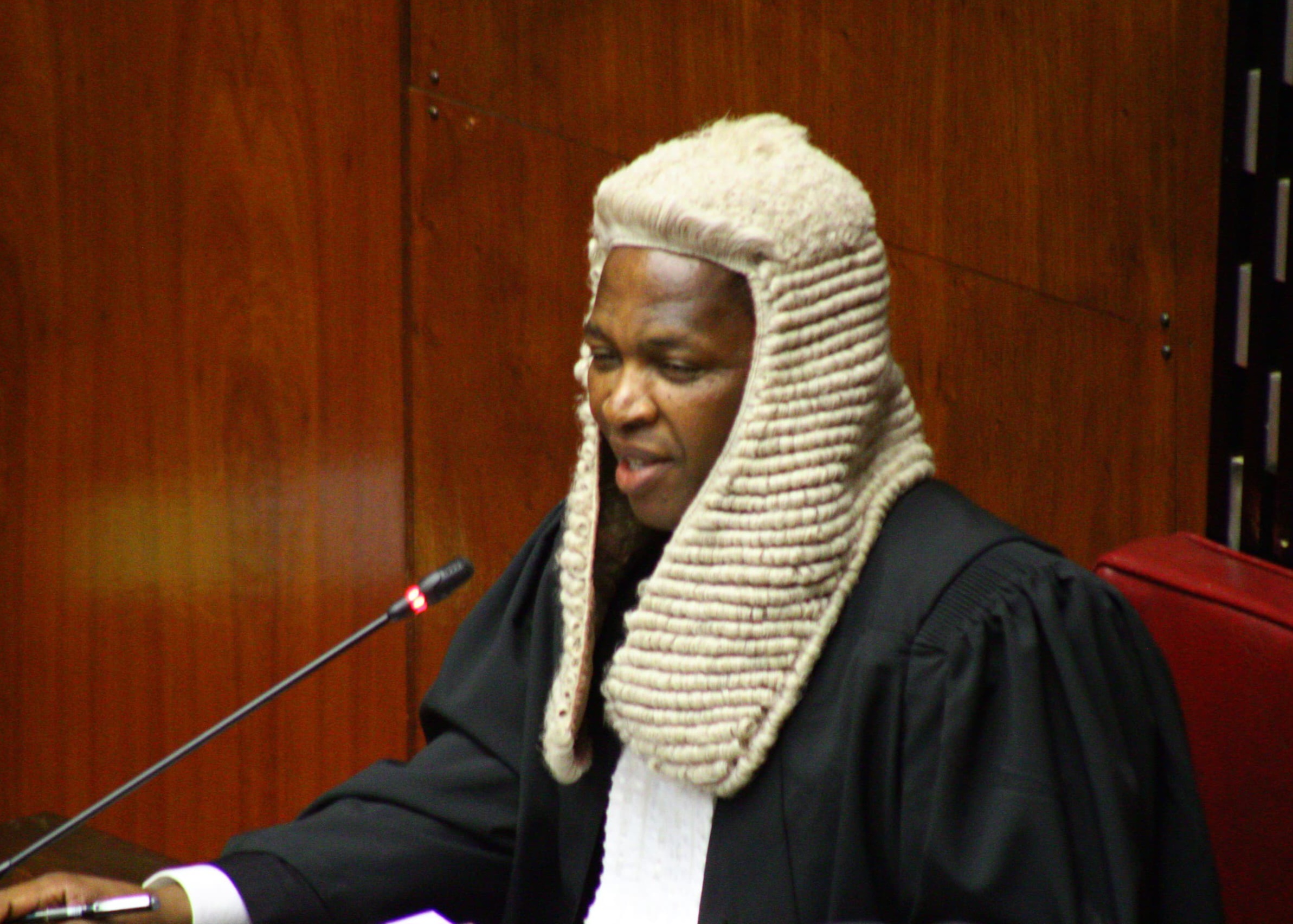
This was confirmed by House of Assembly Speaker Jabulani Mabuza on Friday, February 27, 2026, following the formal tabling of the National Budget by Minister of Finance Neal Rijkenberg. The budget, which outlines the government’s spending priorities for the 2026/27 fiscal year, will now undergo scrutiny by Members of Parliament, marking the start of a critical legislative process that ensures transparency, accountability, and strategic oversight of public funds.
Speaker Mabuza urged MPs to dedicate time over the weekend to review the budget and prepare for the debate. “It is essential that all members come to the House informed and ready to engage with the proposals, allocations, and priorities outlined in the budget speech,” he said. The Speaker stressed that a well-prepared debate allows Parliament to make informed decisions that reflect the nation’s socio-economic goals and the expectations of citizens.
In addition to general preparation, Mabuza called on chairpersons of portfolio committees to ensure that annual performance reports of the ministries under their oversight are tabled promptly. These reports, he said, provide critical context for evaluating budget allocations and allow MPs to assess whether ministries are using public resources efficiently and effectively. Traditionally, portfolio committees debate the allocations for each ministry after the broader national budget has been considered, providing an additional layer of scrutiny to ensure responsible fiscal management.
Following the conclusion of debates in the House of Assembly, the National Budget will also be debated in the upper chamber, the Senate of Eswatini. Senators will not only review the budget speech itself but will also examine allocations for each ministry within their respective portfolio committees. The Senate’s role is to carefully scrutinise the work done by the lower chamber, providing checks and balances to ensure that all deliberations are thorough, transparent, and in line with national priorities.
Speaker Mabuza emphasised that this multi-stage process is vital for maintaining the integrity of parliamentary oversight. “Our deliberations must be robust, constructive, and focused on advancing national development while ensuring that public funds are used prudently,” he said.
As the debate approaches, all eyes will be on Parliament as it assesses the government’s fiscal blueprint, ensuring that the 2026/27 budget is aligned with the country’s goals of stability, growth, and sustainable development.