


BY MBONGENI NDLELA
MBABANE – Barely days after emaSwati absorbed another painful fuel increase, developments across the border are raising an uncomfortable question: could motorists be heading for yet another round of pressure at the pumps?
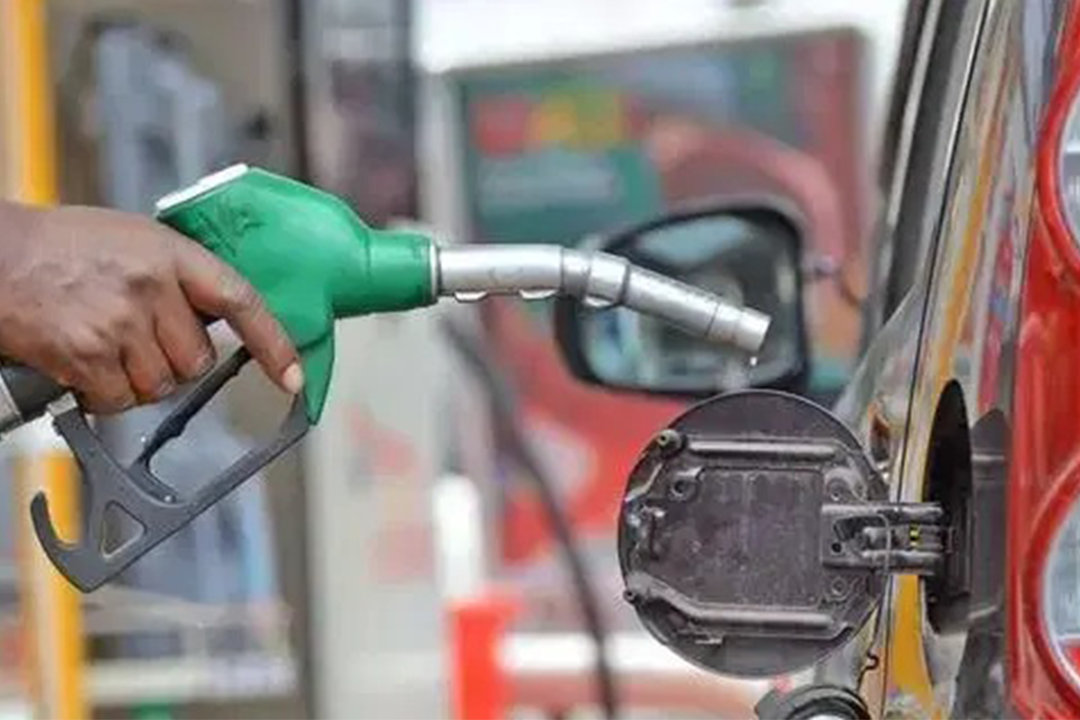
Fuel prices in Eswatini increased from Thursday, October 1, with unleaded petrol rising by E3.43 per litre from E25.97 to E29.40, while diesel increased from E28.85 to E32.25 per litre.
Now South Africa is facing its own major fuel shock. Latest data cited by eNCA indicates that 95 unleaded petrol could increase by more than R3 per litre on Wednesday, potentially pushing the price beyond R30 per litre for the first time. Diesel is also expected to rise by more than R3 per litre.
For Eswatini, this development deserves attention.

The country remains heavily exposed to movements in regional and international petroleum markets. Government information shows that Eswatini’s fuel pricing is influenced mainly by international petroleum prices and the Lilangeni/US Dollar exchange rate, while fuel products are largely sourced through South Africa.
However, a South African increase does not automatically mean Eswatini will immediately increase prices by the same amount. Eswatini has its own regulated fuel-price review process.
Still, the latest developments reopen a wider national debate.
At what point does the rising price of fuel become more than a motorists’ problem and turn into a broader cost-of-living emergency?
Fuel affects far more than the person behind the steering wheel. It feeds into transport costs, food distribution, farming, construction, business operating expenses and ultimately the prices consumers pay.
And with petrol already sitting at E29.40 per litre in Eswatini, the psychological E30 mark is now just 60 cents away.
The discussion therefore cannot only be about the next fuel adjustment. It should also be about what longer-term measures can protect consumers and businesses from repeated external shocks.
What do you think? Should Government consider additional measures to cushion emaSwati from future fuel increases, or are higher pump prices simply an unavoidable consequence of global market conditions?
Join the conversation.