
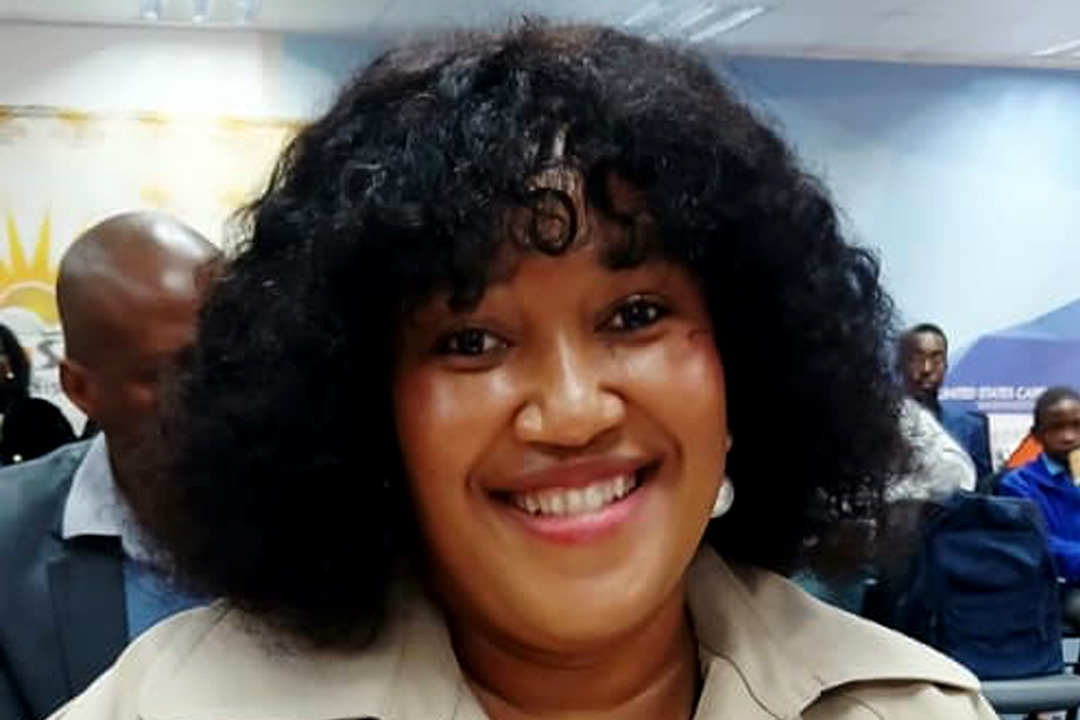



BY SIBUSISEKILE NDLANGAMANDLA
MANZINI– Greater inclusion of persons with disabilities and acceptance of diversity are essential to achieving prosperity, as literacy should ensure that everyone has access to information, opportunities and meaningful participation in society, Eswatini National Commission for UNESCO Secretary-General Lwandle Simelane has said.
Simelane said society should ensure that persons with disabilities have opportunities to learn, access information and participate meaningfully in communities and the economy. Speaking during literacy day held under the theme “Literacy for People, the Planet and Prosperity,” where she highlighted the broader role of literacy in creating inclusive societies.
She said literacy should not be reduced to the ability to read and write, as it also involves understanding information, communicating effectively, thinking critically and participating meaningfully in society.
She said this broader understanding of literacy was important because people need different skills to navigate their daily lives and respond to changes in society. “Literacy is so much more than that,” Simelane said.

Persons with disabilities should be embraced as part of efforts to achieve prosperity, noting that diversity should be recognised as a valuable part of society rather than a reason for exclusion.
Inclusive communities give people the opportunity to use their abilities, share ideas and contribute to development. This requires society to consider the different needs of people when providing access to information, education and other opportunities. She also highlighted digital literacy as an important skill that enables people to participate safely and meaningfully in an increasingly digital world.
Financial literacy, she said, helps people understand money, make informed financial decisions and plan for the future, while media literacy enables people to distinguish information from misinformation and fact from opinion. Numeracy also remains important because it allows people to understand and use numbers in everyday situations.
Simelane said these forms of literacy are essential life skills that contribute to personal growth, healthier communities and wider social and economic development. She said literacy can also improve people’s ability to make decisions about issues affecting their lives.
People who can read and understand health information are better placed to make informed decisions about their health and the health of their families. Young people who can access, understand and interrogate information are also better equipped to learn, innovate and identify opportunities that can benefit themselves and their communities.
Simelane further encouraged people to read widely and critically, particularly in the digital age where information can spread rapidly. She said critical literacy helps people develop their own thoughts and opinions and reduces their vulnerability to misinformation, manipulation and prejudice.
Communities with stronger literacy skills are better able to participate in decisions that affect their lives, while societies that promote literacy and inclusion are better positioned to build informed and sustainable economies.
She urged society to embrace diversity and persons with disabilities, saying their inclusion should form part of efforts to build a prosperous society in which everyone has an opportunity to participate and contribute.
#EPN #EswatiniPositiveNews #Literacy #DisabilityInclusion #Inclusion #Diversity #Prosperity


