



BY GCWALISILE MHLABANE
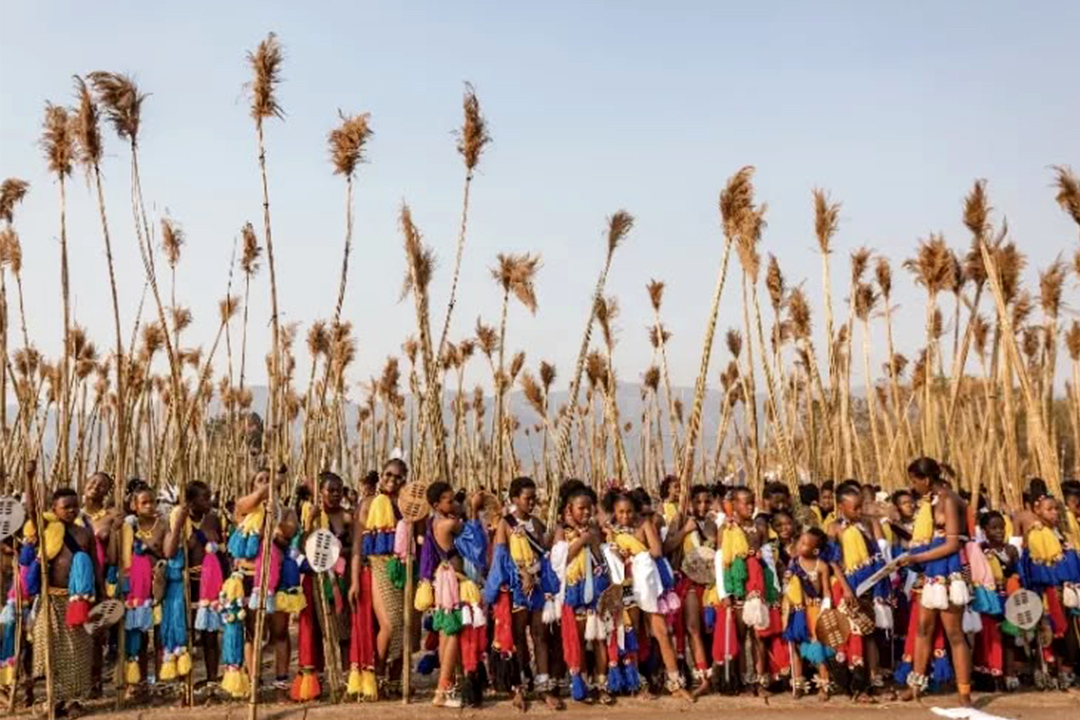
LUDZIDZINI- Cultural events like the Umhlanga Reed Dance play a huge role in preserving Eswatini’s identity, bringing communities together and passing cherished traditions from one generation to the next. Beyond the cultural celebration, Umhlanga also highlights a powerful relationship between traditional practices and the natural environment.
As Umhlanga 2026 unfolds, the annual harvesting of reeds by Imbali is drawing attention to the potential environmental value of a practice deeply rooted in Eswatini’s cultural heritage.
According to the Climate and Environmental News Network (CENN), African Union Director for Agriculture, Rural Development, Blue Economy and Sustainable Environment (ARBE), His Excellency Moses Vilakati, says the annual reed harvesting during Umhlanga can help reduce pressure on wetlands and support their renewal.
“Reeds usually grow in wetlands, and this is where maidens harvest the plant in Eswatini annually,” Vilakati said.

He explained that the annual practice can contribute to the management of reed growth within wetland ecosystems.
“The annual harvesting during the Umhlanga Ceremony reduces the pressure on the wetlands — refreshing them,” Vilakati said.
His remarks add an important environmental dimension to Umhlanga, highlighting how a deeply rooted cultural practice can potentially contribute to the health and management of natural ecosystems.
The environmental significance of the practice comes into focus as Imbali are expected to undertake the annual reed-harvesting exercise on Thursday, August 27, 2026, gathering the reeds that form an essential part of the cultural ceremony.
However, protecting this relationship requires more than responsible reed harvesting. The wetlands and reedbeds supporting the tradition must also be protected from pollution, uncontrolled access and other environmental pressures.
Umhlanga attracts thousands of Imbali, families, spectators, traders and visitors, making environmental management an increasingly important part of the ceremony.
Large gatherings inevitably generate waste, including plastic bottles, food packaging and other refuse. If poorly managed, this waste can pollute surrounding land and water systems and undermine efforts to protect the natural environment.
Stronger waste-management measures could therefore help make Umhlanga an even stronger example of environmental stewardship.
Clearly marked waste-sorting stations at Ludzidzini Royal Residence, along procession routes and at other major gathering points could encourage participants and visitors to separate recyclable materials from general waste.
Vendors could also contribute by reducing single-use plastics and adopting reusable, recyclable or biodegradable packaging. Water-refill stations could further reduce dependence on disposable plastic bottles during the ceremony.
Responsible water use should equally form part of a greener Umhlanga. Efficient sanitation facilities, temporary water infrastructure and public awareness campaigns could help reduce unnecessary pressure on water resources while supporting the needs of thousands of participants.
Protecting the reedbeds is equally important. Although responsible harvesting may assist with managing reed growth, sensitive wetland areas can still be affected by heavy foot traffic, soil compaction, pollution and repeated harvesting in the same areas.
Designated walking routes, rotating harvesting zones and environmental assessments before and after the ceremony could help minimise disturbance and promote healthy regeneration.
Traditional leaders, local communities and environmental specialists could also work together to monitor reedbeds, ensuring that harvesting areas remain healthy and productive for future generations.
The lessons from Umhlanga could extend beyond the Reed Dance. Other major cultural gatherings, including Incwala and Buganu, could similarly incorporate stronger environmental measures to reduce waste, conserve water and protect surrounding ecosystems.
For Eswatini, this presents an opportunity to demonstrate that cultural preservation and environmental conservation can go hand in hand.
As Imbali prepare to enter the wetlands on August 27 to harvest the reeds, the practice carries a reminder that the future of Umhlanga is closely linked to the future of the natural resources that sustain it.
Protecting the reedbeds means protecting the wetlands. Protecting the wetlands means protecting Umhlanga for generations to come.
#Umhlanga2026 #EswatiniCulture #Sustainability #Wetlands #EnvironmentalStewardship #EswatiniHeritage #GreenEswatini
(Courtesy Pic)