



BY SIFISO NHLABATSI
MBABANE – 20 youth groups are generating commercial income from baby vegetable production, while 111 smallholder farmers have secured formal supply contracts with national agricultural marketing institutions through development programmes supported by the United Nations in Eswatini.
These are among the achievements highlighted in the United Nations Annual Results Report for Eswatini 2025, which documents results across agriculture, employment, healthcare, social protection, governance and environmental sustainability.
The results represent the collective work of the United Nations Country Team (UNCT), which partners with the Government of Eswatini and other stakeholders to support national development priorities.
The UNCT comprises 21 agencies, eight resident and 13 non-resident. They are the Food and Agriculture Organization (FAO), International Labour Organization (ILO), International Organization for Migration (IOM), Joint United Nations Programme on HIV/AIDS (UNAIDS), United Nations Educational, Scientific and Cultural Organization (UNESCO), United Nations Children’s Fund (UNICEF), United Nations Environment Programme (UNEP), United Nations Development Programme (UNDP), United Nations Population Fund (UNFPA), United Nations Human Settlements Programme (UN-Habitat), United Nations High Commissioner for Refugees (UNHCR), Office of the United Nations High Commissioner for Human Rights (OHCHR), United Nations Office on Drugs and Crime (UNODC), World Food Programme (WFP), World Health Organization (WHO), UN Women, United Nations Industrial Development Organization (UNIDO), International Fund for Agricultural Development (IFAD), United Nations Economic Commission for Africa (UNECA), International Trade Centre (ITC) and International Telecommunication Union (ITU).
The report records that 49 young emaSwati secured employment across 21 entities, while 89 artisanal graduates received market-ready skills and starter packs. Four youth groups were operating enterprises designed to withstand economic shocks, including goat farming, event hire and detergent production.
In agriculture, 111 smallholder farmers obtained formal supply contracts with the National Maize Corporation and the National Agricultural Marketing Board. The arrangements are intended to improve market access and give farmers clearer routes to sell their produce.
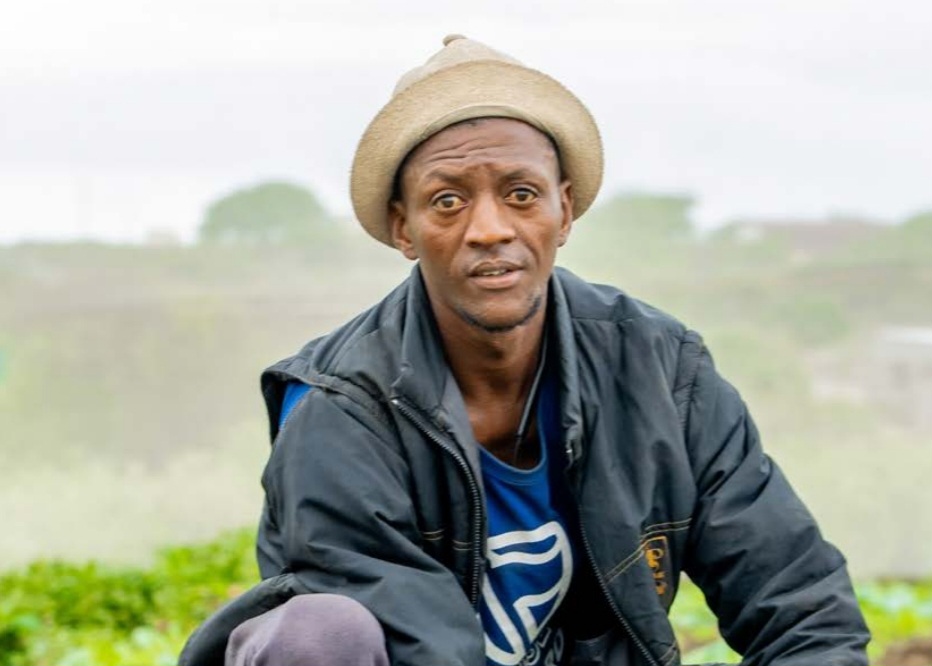
The report also highlights Njelu Youth Farmers in Action, a group formed in 2023 by 16 young women and men. With support that included land preparation, fencing and solar-powered irrigation, the group developed its agricultural activities. Training and technologies such as shade nets, greenhouse tunnels and drip irrigation were also part of the support described in the report.
Healthcare results included 89% coverage during the measles-rubella vaccination campaign. A total of 266 healthcare workers received training on post-abortion care guidelines, while 110 final-year midwifery students were trained in emergency obstetric and newborn care.
The report also documents cervical cancer interventions. One woman, Makhosazana, was diagnosed with cancerous lesions during screening in November 2025 and received treatment within days through a procedure that took about 20 minutes. 80 other women benefited from the same procedure, while 30 received other treatments.
Social support programmes reached 59 000 people with critical lean-season assistance. Another 26 000 children received daily nutrition through Neighbourhood Care Points.
In education, the UN supported the development of the Education Transformation Plan, reviewed school inspection standards and carried out nationwide school connectivity mapping under the Giga initiative.
Governance work included support for the Cabinet’s endorsement of the Human Rights Bill, drafting of the National Anti-Corruption Policy and progress on legal aid and migration policy frameworks.
Environmental investments included US$5 million (E90 million) mobilised for the Big 5 Conservation and Ecotourism Initiative, targeting more than 83,000 hectares over five years, and US$4 million (E72 million) secured for a climate-resilient agriculture and livelihoods programme.
In his foreword, UN Resident Coordinator George Wachira says the achievements reflect collaboration with Government and development partners. He adds that the next phase requires the UN to deliver “greater impact with greater efficiency” by focusing on fewer, high-impact priorities.
The report says these results will inform the 2026–2030 Cooperation Framework, which aims to strengthen national systems and accelerate progress towards the Sustainable Development Goals.
(Courtesy Picture)
#UNEswatini #UNCT #YouthEmployment #Agriculture #Healthcare #Eswatini