


BY MBONO MDLULI
MANZINI– The Ministry of Agriculture, in collaboration with the Food and Agriculture Organization of the United Nations (FAO), joined the global community in commemorating World Pulses Day, highlighting the critical role that pulse crops play in improving nutrition, food security, environmental sustainability and rural livelihoods.
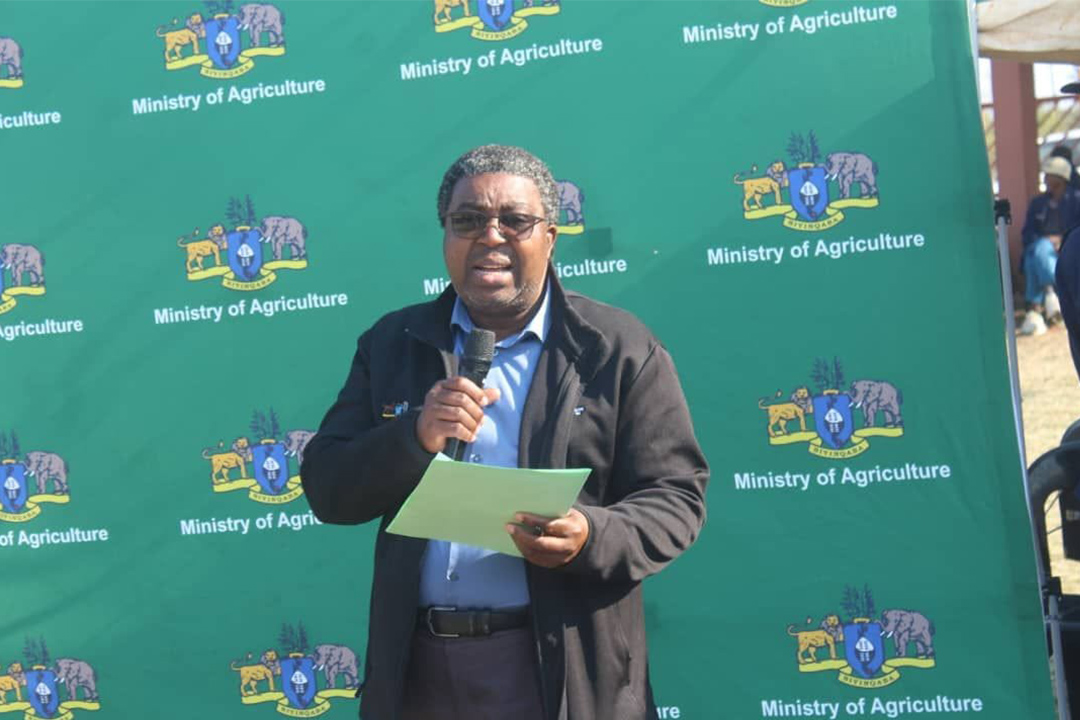
The event, held in Manzini, was attended by Acting Minister of Agriculture Sidney Simelane, Manzini Regional Administrator Prince Gija, government officials, development partners, farmers and other stakeholders from the agricultural sector.
Why Pulses Matter
Pulses are the dry edible seeds of leguminous plants and include crops such as beans, peas, lentils, chickpeas, cowpeas and jugobeans. They are valued worldwide as affordable sources of protein, fibre, vitamins and minerals, while also helping to improve soil fertility through their natural ability to fix nitrogen in the soil. This reduces the need for chemical fertilisers and contributes to more sustainable agricultural systems.
Beyond their nutritional value, pulses are increasingly recognised as climate-smart crops because they require relatively little water, improve soil health and support biodiversity. These qualities make them an important tool in the fight against hunger, malnutrition and climate change.

The Significance of World Pulses Day
World Pulses Day is observed annually on 10 February following a resolution adopted by the United Nations General Assembly in 2018. The day was established to build on the success of the International Year of Pulses in 2016 and to raise awareness of the contribution of pulse crops to food security, nutrition, climate resilience and sustainable agriculture.
This year’s global theme, “Pulses of the World: From Modesty to Excellence,” highlights the journey of pulse crops from being viewed primarily as subsistence foods to becoming strategic commodities for sustainable agricultural development and economic growth.
Government Calls for Increased Production
Delivering the keynote address, Acting Minister of Agriculture Sidney Simelane underscored the importance of pulses in transforming agricultural systems and improving livelihoods.
“The fundamental role they play in the transformation to more efficient, inclusive, resilient and sustainable agrifood systems for better production, better nutrition, better environment, and a better life, leaving no one behind. This is building on the success of the International Year of Pulses in 2016, which was facilitated by the Food and Agriculture Organization (FAO),” said Simelane.
He noted that pulse crops are becoming increasingly important in addressing global challenges such as food insecurity, climate change and rising agricultural production costs.
From Subsistence Farming to Commercial Agriculture
The Acting Minister said Eswatini must change its perception of pulse crops and begin to view them as valuable commercial commodities.
“Pulses are moving from modest backyard crops to excellent drivers of global sustainability. For generations, pulses were grown only as secondary crops on small plots. We must change how we view these humble beans, groundnuts, jugobeans, peas and lentils. Eswatini is ready to elevate pulse production from subsistence farming to commercial excellence,” he said.
He encouraged farmers to embrace pulse production not only for household consumption but also as a viable business opportunity capable of generating income and strengthening national food security.
Supporting Sustainable Agricultural Development
Stakeholders at the commemoration agreed that expanding pulse production could help Eswatini achieve several development objectives simultaneously, including improved nutrition, enhanced food security, increased farmer incomes and greater environmental sustainability.
As the country seeks to build a more resilient agricultural sector, pulses are increasingly being recognised as crops that can contribute meaningfully to economic growth while supporting healthier diets and sustainable farming practices.
Sources: Ministry of Agriculture; Food and Agriculture Organization of the United Nations (FAO); United Nations General Assembly.
(Courtesy Pic)