


BY LINDELWA MYENI
MBABANE– Survivors of gender-based violence (GBV) could benefit from a stronger and more responsive justice system following specialised training aimed at sharpening how magistrates handle some of the country’s most sensitive cases.
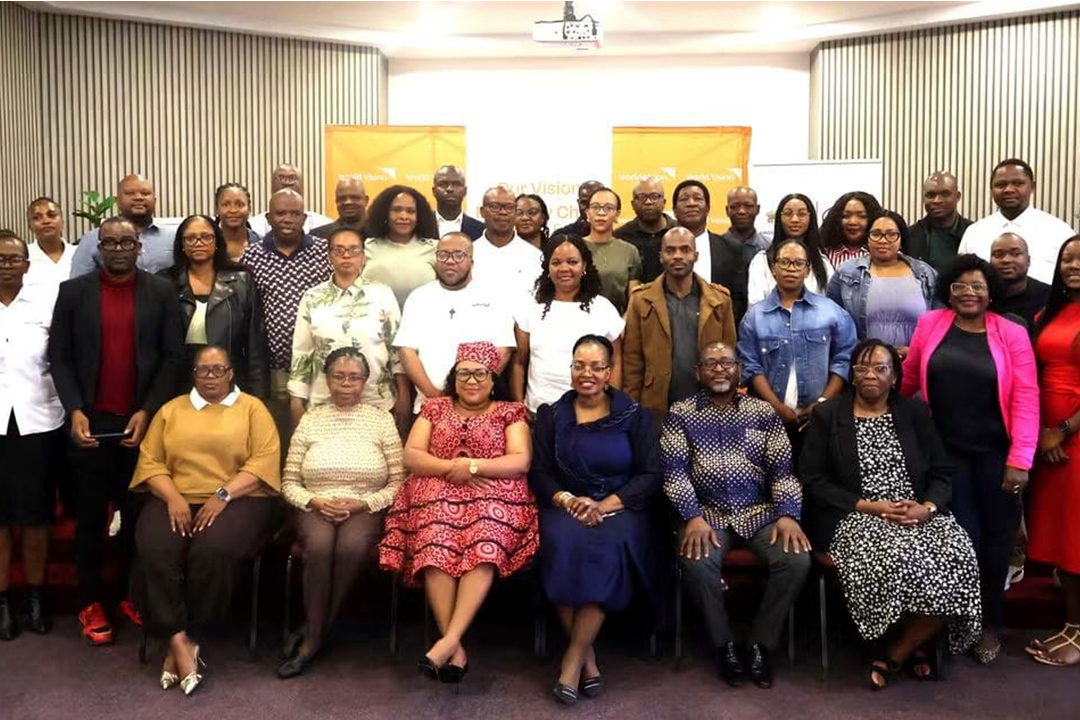
Nearly 40 magistrates from across Eswatini participated in a two-day capacity-strengthening workshop focused on the handling of sexual offences and domestic violence cases, with particular emphasis on the practical application of the Sexual Offences and Domestic Violence (SODV) Act of 2018.
Held at Bethel Court in Ezulwini, the engagement went beyond simply revisiting the law. It created a platform for judicial officers and other professionals working within the justice system to examine real challenges encountered when dealing with survivors, accused persons and vulnerable groups.
The workshop was supported by World Vision Eswatini in partnership with the Judiciary and brought together magistrates, judges, members of the Royal Eswatini Police Service (REPS), officials from the Social Welfare Department under the Deputy Prime Minister’s Office, representatives from the Director of Public Prosecutions (DPP) Office and other stakeholders involved in responding to GBV.

At the centre of the discussions were some of the difficult decisions judicial officers are required to make every day.
Participants examined bail risk and assessment, the protection of victims while safeguarding an accused person’s right to a fair trial, protection orders and urgent applications, judgment writing, sentencing and available remedies in GBV cases.
High Court Judge Justice Cyril Maphanga led discussions on several of these areas, giving magistrates an opportunity to share experiences and seek guidance on complex cases, particularly those involving decisions on bail.
However, the training also turned the spotlight on a part of the justice system that is often overlooked — the wellbeing of the people who administer justice.
Magistrates and prosecutors regularly encounter disturbing evidence involving sexual violence, murder and other traumatic crimes. At the same time, they must manage demanding workloads, interpret the law objectively and make decisions that can dramatically affect the lives of victims, families and accused persons.
Sindiso Bhembe, Mental Health Focal Person under the Non-Communicable Diseases, Injuries and Mental Health Programme in the Ministry of Health, facilitated a session dedicated to judicial wellbeing.
Bhembe encouraged judicial officers to prioritise self-care, develop healthy coping habits and seek professional therapy or treatment where necessary, stressing that their own mental wellbeing can affect how effectively they perform their duties.
She identified suicide, depression, anxiety and stress among major mental health concerns requiring attention in Eswatini, particularly among professionals who are repeatedly exposed to traumatic material.
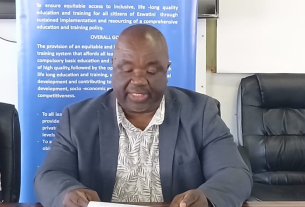
Opening the dialogue, Registrar of the High Court Nosipho Mazibuko emphasised that GBV should not be viewed only as a social challenge, but also as a serious justice issue requiring a capable and responsive judicial system.
World Vision Eswatini National Director Amos W. Zaindi similarly stressed the importance of strong institutions and consistent application of the law. He also highlighted the need to strengthen protection for children, who can become less visible victims when violence occurs within families and homes.
The sessions were also facilitated by Senior Magistrate Puseletso McPherson of Lesotho, Justice Maxine Langwenya, Justice Faith Dlamini-NG’andu and Nomzamo Dlamini, Director of the Gender and Family Issues Unit under the DPMO.
Ultimately, the training reflected a broader effort to ensure that survivors who enter Eswatini’s courts encounter a justice system whose officers are knowledgeable, supported and better prepared to deal with GBV cases fairly and effectively.
By strengthening coordination among courts, prosecutors, police, social welfare professionals and other stakeholders, the initiative has the potential to translate legislation into more meaningful protection for survivors — while ensuring that justice remains both firm and fair.
(Courtesy Pic)