



BY MFANUFIKILE KHATHWANE
MBABANE – The World Health Organization (WHO) has commended the Government of Eswatini and the Ministry of Health for their leadership in strengthening health research governance, following the unveiling of the Eswatini Health Research Ethics Review Board by the Minister of Health Hon Mduduzi Matsebula.
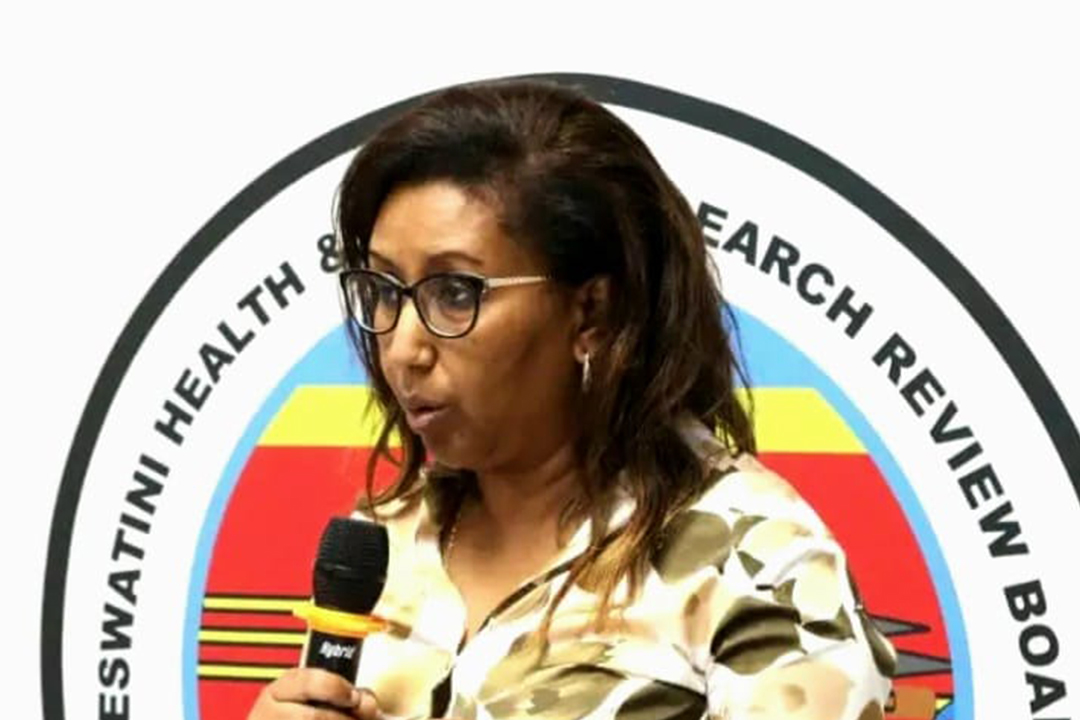
Speaking during the unveiling of the Board on January 19,2026, WHO Health Systems Officer Dr. Mekdim Ayana, representing WHO Country Representative Dr. Susan Tembo, described the establishment of the Board as a milestone that reflects Eswatini’s unwavering commitment to advancing health research while safeguarding the dignity, rights, and well-being of its people.
“Allow me to commend the Government of Eswatini, the Ministry of Health, for its leadership and vision in strengthening research governance,” Dr. Ayana said.
She also acknowledged the partners who supported the process, and the researchers, academies, legal experts, and community representatives who will serve on the new Board. “Your role is both technical and deeply human: you are entrusted with ensuring that research is not only scientifically sound, but ethically grounded and socially accountable,” he said.

Dr. Ayana paid tribute to the outgoing Health Research Ethics Review Board, which served for three years. “They carried the responsibility of ensuring that research conducted in Eswatini upheld the highest ethical standards. Their dedication, vigilance, and wisdom laid the foundation upon which this new Board now stands.
They have safeguarded the rights of participants, nurtured public trust, and guided researchers with integrity. Today, we honour their service and acknowledge that their legacy will continue to inspire the work ahead,” he said.
Highlighting the importance of ethical research, Dr. Ayana said. “Health research is the engine of progress. It generates the evidence we need to prevent disease, improve treatments, and strengthen health systems. Yet research without ethics is incomplete. Ethics ensures that innovation never comes at the cost of human dignity. It protects the vulnerable, amplifies community voices, and builds public trust. It also transforms research from a technical exercise into a moral responsibility.”
She emphasised that the new Board will serve as a guardian of integrity, ensuring that every study conducted in Eswatini meets high standards of respect, fairness, transparency, and accountability, while contributing to national development goals and strengthening public confidence in science.
“This step also aligns strongly with WHO’s global and regional vision for health research governance: to promote research that is ethical, inclusive, and responsive to country needs; to strengthen national capacity so countries lead their own research agendas; and to ensure the benefits of science reach every community leaving no one behind,” Dr. Ayana said.
She issued a strong call to action to all stakeholders. To the new members of the Board: your independence, competence, and integrity will be your greatest strength. Your decisions will protect people, guide institutions, and shape the reputation of Eswatini’s research environment.
WHO encourages you to invest in continuous learning, timely and consistent review processes, and clear communication with researchers and communities.
To researchers and institutions: let this Board be your partner in excellence. Prepare strong protocols, uphold ethical conduct throughout implementation, and ensure results are shared responsibly, especially with the communities who contribute their time, data, and trust.
To policymakers and partners: support this Board not only at launch, but over time, through adequate resources, capacity development, and a policy environment that values evidence and protects participants.
And to communities across Eswatini: this Board is here to uphold your rights, values, and voices. Ethical research must always respect the people it seeks to serve.”
Dr. Ayana concluded by reaffirming WHO’s commitment to supporting Eswatini in strengthening ethical research governance, through technical assistance, capacity building, and sharing global best practices.
This Board will serve as a beacon of integrity, protection, and progress so that health research in Eswatini is not only innovative, but also ethical, just, and transformative.
#WHO #Govt #HealthResearch #EthicsBoard #Eswatini #ResearchGovernance #PublicHealth #EthicalResearch #HealthInnovation #CommunityProtection


