


BY TANDZILE DLAMINI
EZULWINI– Global health leaders have warned that Africa’s demographic dividend will remain unrealised without stronger accountability systems, improved age disaggregated data, and sustained investment in adolescent and youth sexual and reproductive health.
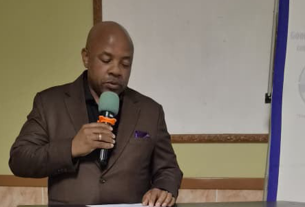
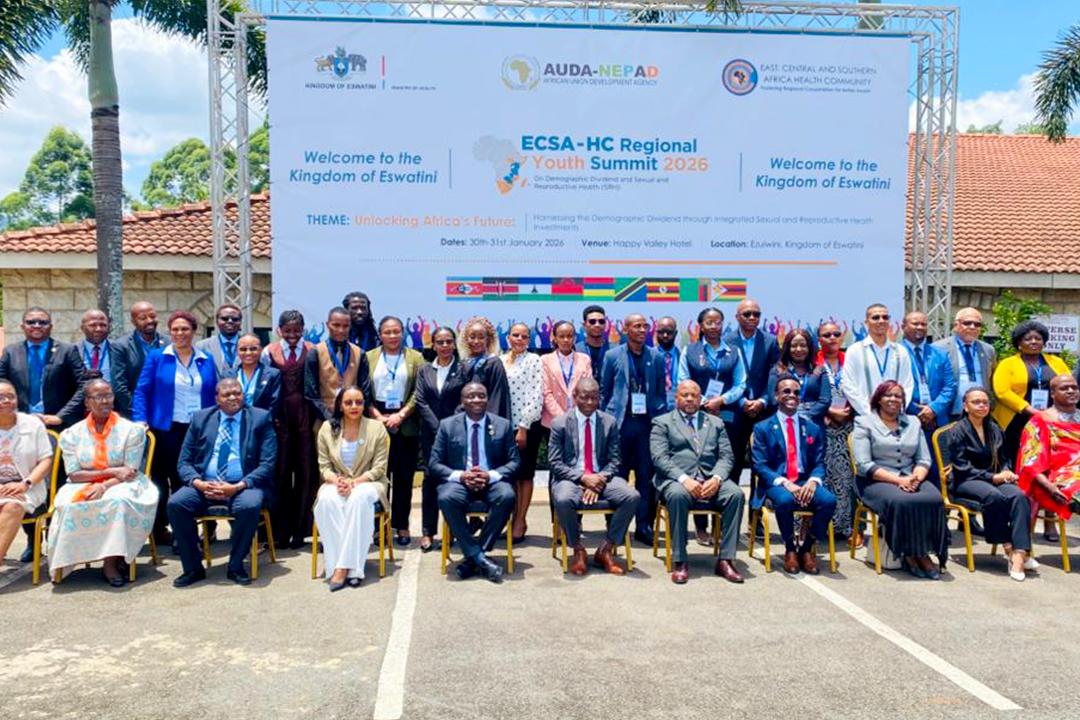
The call was made on 30 January 2026 at the ECSA Regional Youth Summit held at Happy Valley Hotel. World Health Organization AFRO Representative Dr Susan Tembo said Africa’s youthful population presents both opportunity and risk if investments are not deliberate and measurable. “Africa is home to about 291 million adolescents, and Eastern and Southern Africa account for nearly half of that population,” she said.
Dr Tembo noted that while adolescent health indicators are improving, progress remains slow. “Adolescent birth rates declined from 102 per 1 000 girls in 2017 to about 97 in 2024, and modern contraceptive use among girls aged 15 to 19 reached 41.6% in 2022, but this progress is not fast enough,” she said.
She added that gaps in youth friendly services, persistent gender based violence, and limited age disaggregated data continue to weaken accountability and evidence based planning.

UNFPA Representative Margaret Thwala-Tembe said the demographic dividend is not automatic. “It must be earned through sustained investments in sexual and reproductive health, education and skills development,” she said.
Thwala- Tembe acknowledged Eswatini’s policy alignment with the African Union Demographic Dividend Roadmap but cautioned that many adolescents, particularly those in rural areas, out of school youth, young people with disabilities, and other marginalised groups, still face access barriers. She also highlighted that financing for adolescent and youth sexual and reproductive health remains inadequate and heavily donor dependent.
Both speakers stressed that without strong data systems and domestic financing, countries risk missing a critical window of opportunity. They urged governments to lead multisectoral responses backed by measurable targets to ensure that Africa’s youth population becomes a driver of inclusive growth.