


BY NOKUPHILA NXUMALO
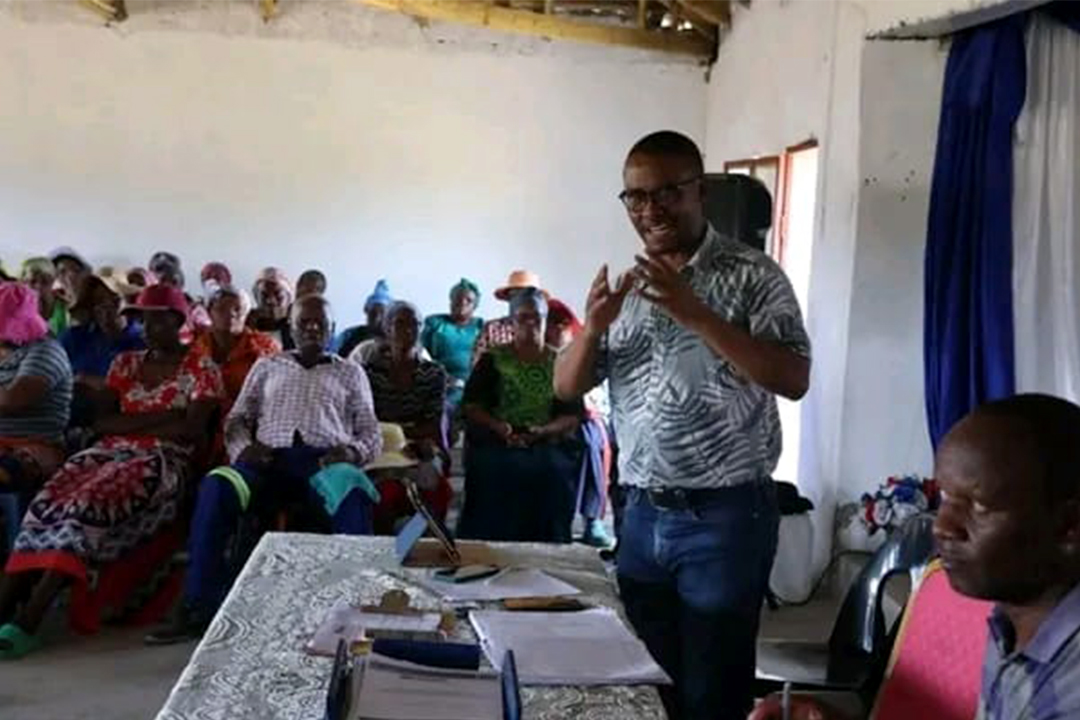
MBABANE– The Smallholder Agriculture Productivity Enhancement and Marketing Project (SAPEMP), in collaboration with the Ministry of Tinkhundla Administration and Development, has launched a series of community leadership sensitisation meetings across targeted Inkhundla and Imiphakatsi in the four regions of Eswatini.
The engagements are aimed at introducing the project to local leaders and strengthening stakeholder ownership ahead of implementation.
SAPEMP is a Government of Eswatini initiative implemented by Eswatini Water and Agricultural Development Enterprise (EWADE), with support from International Fund for Agricultural Development (IFAD), the Green Climate Fund and other development partners.
During the meetings, communities were informed that SAPEMP is an eight-year programme running from 2025 to 2032. The initiative seeks to address persistent agricultural challenges such as low productivity, high post-harvest losses, heavy reliance on food imports, climate vulnerability and environmental degradation.

Project representatives outlined the programme’s goal of contributing to the sustainable reduction of rural poverty by increasing smallholder production, improving nutrition and boosting household incomes. The project also aims to enhance climate resilience through improved production systems, strengthened market access and improved institutional service delivery.
Three key components of the programme, Production and Climate Resilience, Market Access and Finance, and Project Management were presented, along with target beneficiary groups that include production-oriented farmers, near-poor households, environmentally vulnerable households and youth entrepreneurs.
Community leaders welcomed the initiative and acknowledged their role in mobilising farmers, promoting inclusive participation and supporting transparency at grassroots level. The sensitisation meetings have laid the groundwork for beneficiary identification and the phased rollout of the project across the country.
(Courtesy Pic)