



BY TANDZILE DLAMINI
MBABANE — A new nationwide campaign aimed at ending gender-based violence (GBV) by mobilising men and boys through sport was officially launched on Monday, 9 March 2026, at the offices of the Deputy Prime Minister.
The initiative, titled Eswatini Soccer Legends Ending Gender-Based Violence Campaign, is a partnership between the Office of the Deputy Prime Minister (DPMO) and the Umhluma Women and Youth Foundation, supported by civil society organisations and corporate sponsors.
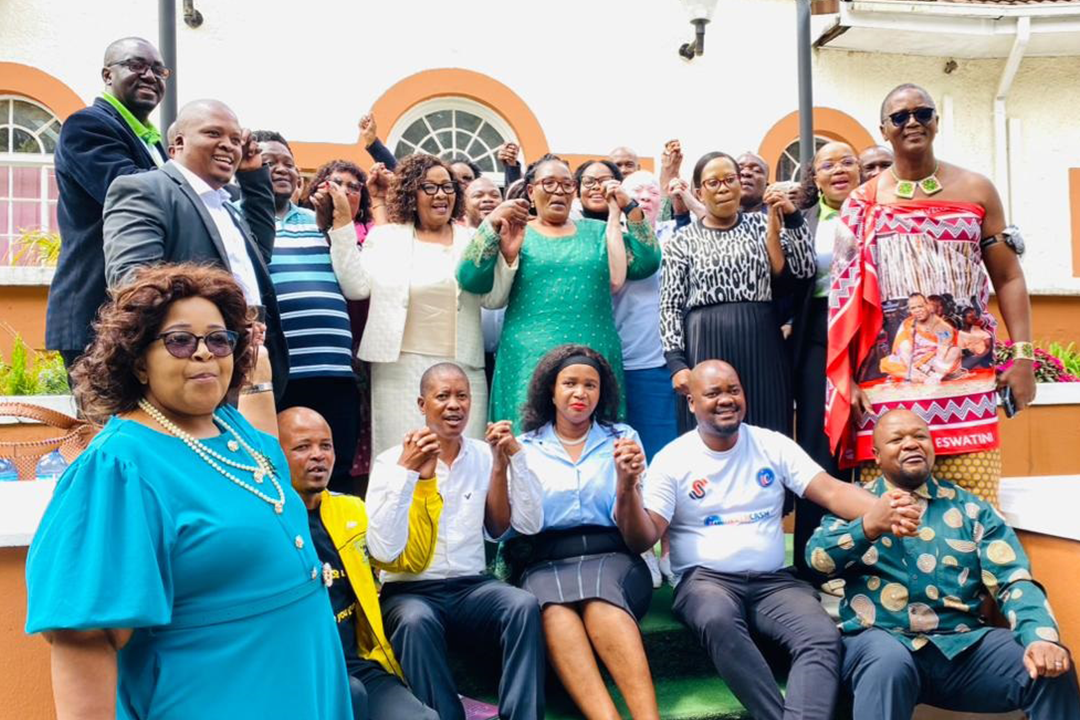
Deputy Prime Minister Thulisile Dladla launched the campaign in the presence of soccer legends, development partners, community organisations and representatives from local football teams including Highlanders, Wanderers and Manzini Sundowns.
The campaign seeks to tackle GBV by redefining the role of men in society, shifting the narrative from viewing them primarily as perpetrators of violence to positioning them as key agents of change in promoting gender equality and safeGBV communities.

Speaking during the launch, Dladla said the initiative forms part of the GBV Action Plan adopted by the Deputy Prime Minister’s Office in 2023, which prioritises prevention through community engagement, particularly targeting men and boys.
The campaign will use soccer tournaments and community engagements across the country’s four regions to spread awareness and educate communities about the causes and consequences of gender-based violence.
“In many instances, data shows that men and boys are major perpetrators of violence, including violence against women and girls,” Dladla said. “However, through campaigns such as this, we seek to erase this narrative and instead see men and boys as agents of change and champions of gender equality.”
She emphasised that engaging men through sport provides a powerful platform to challenge harmful gender norms and promote positive masculinity based on empathy, respect, accountability and shared responsibility.
According to Umhluma Women and Youth Foundation Executive Director Zulu Lungelo, the involvement of soccer legends is strategic because of their influence in communities.
“The message becomes easier for communities to accept when it is delivered by people they admire,” Lungelo said. “We will be travelling from town to town across the country to engage communities and spread awareness about GBV.”
The campaign aligns with the national call to end gender-based violence made by His Majesty King Mswati III during the opening of Parliament, where he urged all sectors of society to intensify efforts to address the issue.
Civil society organisations attending the launch also welcomed the initiative, noting that GBV affects vulnerable groups including persons with disabilities and people living with albinism, who often face abuse and limited access to support services.
Participants at the launch stressed that ending gender-based violence requires collective action from government, civil society, community leaders and citizens.
By harnessing the influence of sport and respected soccer figures, organisers hope the campaign will transform attitudes among men and boys, create peer accountability and build a culture where violence is no longer tolerated.


