


BY GCWALISILE MHLABANE
MANZINI – There is renewed hope in Eswatini’s livestock sector as the nation works to overcome recent challenges and revitalize feedlot businesses.
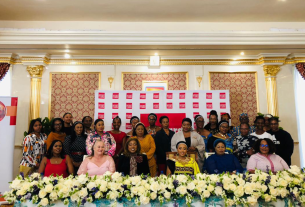
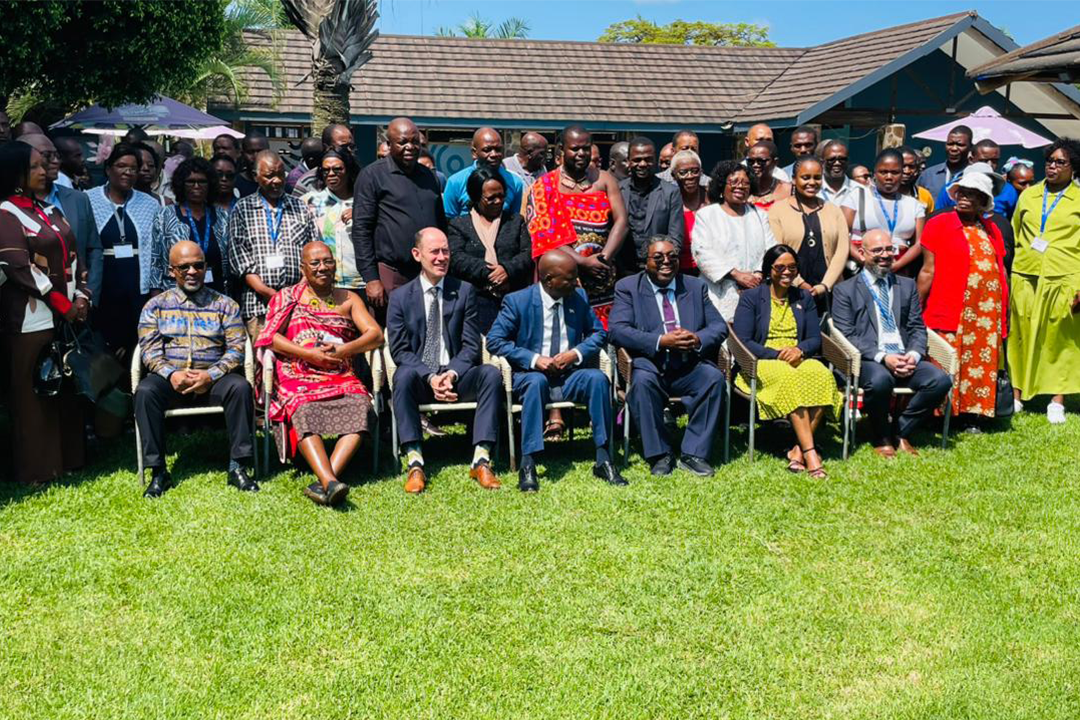
On March 25, 2026, the Feedlot Indaba 2026 brought together government officials, farmers, business leaders, and development partners at The George Hotel in Manzini to support micro, small, and medium enterprises (MSMEs), improve herd productivity, expand market access, and create sustainable opportunities for rural communities.
Held under the theme ‘Building Resilient and Competitive MSMEs in the Feedlot Sector,’ the indaba focused on practical solutions, innovation, and collaboration to strengthen the sector and turn challenges, such as Foot and Mouth Disease (FMD), high feed costs, and limited financial access, into opportunities for growth.
The indaba was attended by a wide range of participants, including Minister of Agriculture, Principal Secretary Sydney Simelane, EU Political Counsellor Jose M. Becerrra, regional administrators, parliamentarians, farmers, private-sector leaders, and representatives from research and financial institutions. Their collaboration ensured that discussions were grounded in the realities of the sector and focused on achievable solutions.

“Feedlotting is not just about livestock; it is about building resilient businesses, improving meat quality, creating jobs, and empowering communities,” said Thawuka. He acknowledged that only 212 of 619 registered feedlots are currently operational due to FMD but emphasized that with collective effort, the sector is steadily recovering and showing strong signs of growth and opportunity.
Innovation, Knowledge, and Partnerships
Technical experts shared insights on animal health, breeding, nutrition, and feedlot management. National Livestock Expert Sibonangabo Sikhondze and Regional Veterinary Officer Dr. Thembi Ndlangamandla highlighted measures to prevent and manage FMD, while private-sector participants showcased innovative approaches to improve feed efficiency and herd productivity.
Financial inclusion was a key focus, with Eswatini Bank, EADF, the Youth Fund, EIDC, and FINCORP advising MSMEs on access to credit and funding, enabling them to grow and compete effectively in formal markets.
The European Union, a critical partner through the ELVCDP, has provided both resources and technical guidance. EU Political Counsellor Jose Marta Becerra said: ‘Our partnership empowers farmers, strengthens MSMEs, and builds a resilient livestock sector capable of competing locally and regionally.’
Tangible Achievements Highlight Progress
The programme has already delivered measurable results, giving the sector reason for hope:
– E3.1 million in fodder production equipment to improve feed availability and reduce costs
– Over 600 cattle and goats vaccinated, ensuring healthier herds and higher productivity
– 200 farmers benefiting from artificial insemination, with 1,000 cattle targeted this season
– 510 farmers trained in feedlot production and management
– Strategic infrastructure projects, including a new Artificial Insemination Centre and a Feed Analysis Facility
The Feedlot Indaba 2026 showcased that through innovation, collaboration, and targeted support, Eswatini’s livestock sector can recover strongly, create jobs, boost exports, and improve rural livelihoods.
Thawuka concluded: ‘Through cooperation, innovation, and commitment, we can turn challenges into opportunities and ensure a thriving livestock sector that benefits all communities.’
With strengthened MSMEs, healthier herds, and increased support from government and development partners, Eswatini’s livestock sector is poised for a strong recovery, offering hope and tangible opportunities for farmers, investors, and communities across the Kingdom.
#EswatiniLivestock #FeedlotIndaba2026 #AgricultureGrowth #MSMEs #RuralDevelopment #FMDRecovery #InnovationInAgriculture #EUinEswatini #FoodSecurity #EconomicGrowth