




BY THEMBA ZWANE
MBABANE – The Deputy Prime Minister (DPM) Thulisile Dladla, has re-affirmed government’s commitment to ensure better living conditions for people living with disabilities.
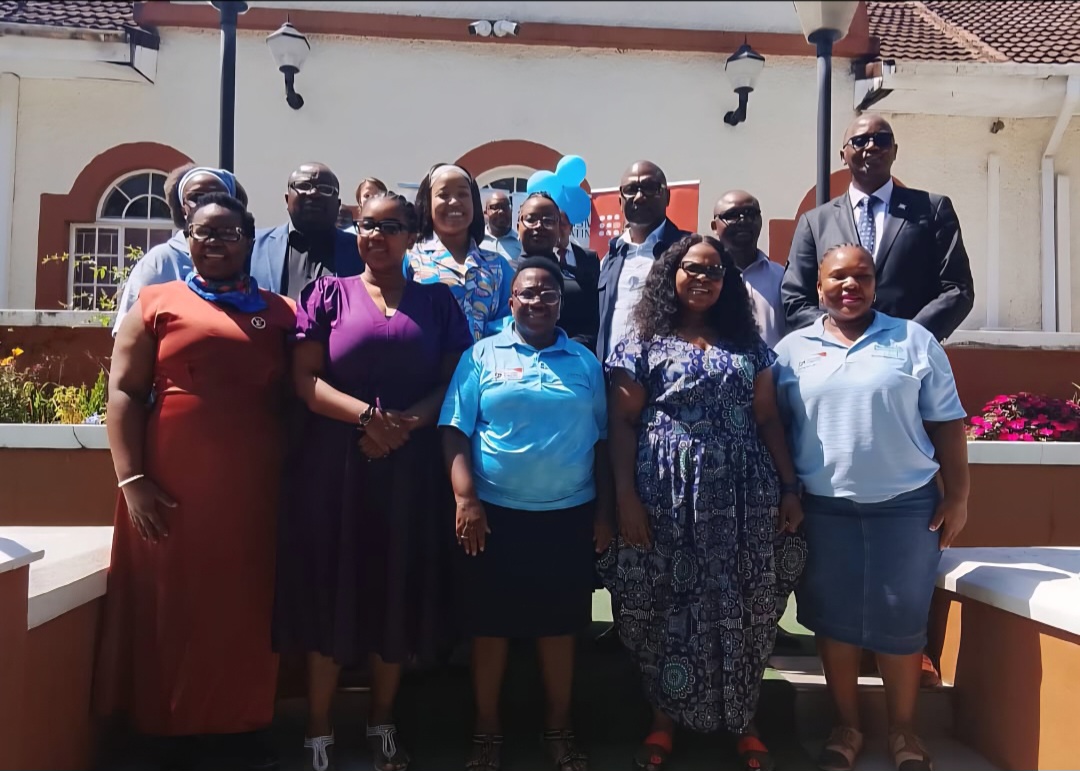
Represented by Acting Principal Secretary (PS) Makhosi Simelane, on March 26, 2026 at the Deputy Prime Minister Office (DPMO) auditorium during the World Autism Awareness Day Commemoration, she noted that they were gathered to commemorate World Autism Awareness Day 2026, under the United Nations theme: “Autism and Humanity – Every Life Has Value.”
“This theme reminds us that autism is not a limitation of humanity, but a powerful expression of human diversity. It calls on every nation, every institution, and every family to recognize the dignity, potential, and equal worth of persons with autism,” she said.
The DPM commended families, teachers, caregivers, health workers, development partners, and organisations of persons with disabilities for their tireless work. Their compassion, patience, and advocacy, she said, continued to open doors for many who might otherwise be forgotten, she said they were helping them build a more inclusive kingdom.
“Let me reaffirm this government’s resolve: we will not measure progress only by statements made on commemorative days, but by the real lives improved throughout the year. We will continue to pursue a society in which persons with autism are respected, protected, supported, and empowered. May this World Autism Awareness Day 2026 renew our shared determination to build a kingdom where every life has value, every person belongs, and no one is left behind,” she said.
The DPM added that the United Nations has also emphasized that autistic lives were integral to collective progress and to the achievement of the Sustainable Development Goals (SDGs).
“Today is not only a day for awareness; it is a day for reflection, action, and renewed commitment. It is a time to ask ourselves whether our systems are truly inclusive, whether our schools are truly welcoming, whether our health services are truly accessible, and whether our communities are truly supportive of persons on the autism spectrum and their families,” said the DPM.
She said as government, they acknowledged the progress that has been made, they have seen stronger public awareness, greater visibility of autism in national conversations, more advocacy from families and organisations, and growing recognition that persons with autism must not be left behind.
These achievements, she said, matter because they show that change is possible when government, civil society, parents, professionals, and communities work together.
“At the same time, we must be honest about the challenges that remain. Many families still face delayed diagnosis and limited access to early intervention. Too many children continue to struggle in learning environments that are not adequately adapted to their needs. Some persons with autism still face misunderstanding, stigma, discrimination, and social isolation,” she said.
The DPM noted that caregivers often carry a heavy burden with limited support and in many cases, transition into adulthood, employment, independent living, and community participation remains difficult. She said these challenges remind them that awareness alone is not enough; inclusion must be practical, measurable, and sustained.
She added that that was why the government of the Kingdom of Eswatini remains committed to strengthening disability inclusion across all sectors. They will continue to support policies and programmes that promote early identification, access to quality education, access to health and rehabilitation services, and greater support for families and caregivers.
“We are also committed to expanding opportunities for skills development, vocational training, and economic empowerment so that autistic persons can live with dignity, contribute to society, and realize their full potential. Our commitment is clear; we will continue to work toward more inclusive schools, more responsive health systems, more accessible public services, and more community-based support structures. We will also continue to encourage employers, faith-based institutions, traditional structures, and local authorities to become active partners in inclusion,” she said.
The DPM said inclusion was not the duty of government alone but it was a national responsibility.
She emphasize that persons with autism are not defined by their challenges, they are children, youth, adults, students, workers, artists, innovators, and leaders. They have talents, dreams, and contributions that enrich our nation.
“As Temple Grandin reminds us, “The world needs different kinds of minds to work together,” that message captures the spirit of this day. Society is stronger when every mind is valued, every voice is heard, and every person is given the chance to thrive.”
#RESCorp #CANGO #AutismEswatini #DPMO #SocialResponsibility #Government


