



BY SIFISO NHLABATSI
EZULWINI – Tobacco use is costing Eswatini an estimated E684 million annually while contributing to more than 600 deaths each year, according to figures presented by the Ministry of Health during a consultation on Tuesday.
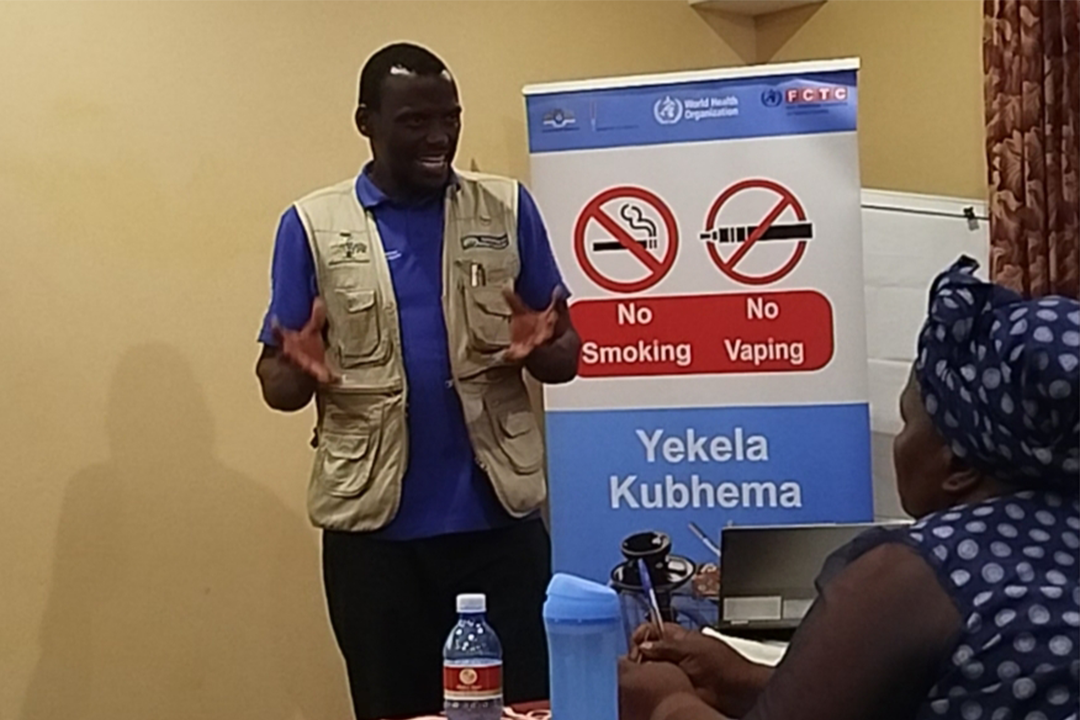
The figures were presented as part of the ministry’s case for enacting the proposed Tobacco and Related Products Control Bill, 2026, at Bethel Court.
According to the ministry’s presentation, the annual economic cost of tobacco use is equivalent to approximately 1.1 per cent of the country’s Gross Domestic Product (GDP).
Of the estimated E684 million burden, about E64 million is spent annually on tobacco-related healthcare, while approximately E620 million is attributed to productivity losses and premature mortality.

The presentation further indicated that about 66 per cent of tobacco-attributable deaths occur before the age of 70, meaning the country loses people during their productive years.
It also stated that approximately 24 per cent of tobacco-attributable lives lost are linked to second-hand smoke, exposing non-smokers to the consequences of tobacco use.
The ministry warned that tobacco use was increasing rather than declining.
Figures from the 2024 STEPS survey showed that the proportion of adults who currently smoke increased from 6.9 per cent in 2014 to 11 per cent in 2024.
Smoking prevalence among men stood at 19.8 per cent, compared with 2.4 per cent among women. The 30–44 age group recorded the highest prevalence.
The findings also raised concern about tobacco and nicotine use among young people.
According to the 2025 Global School-based Student Health Survey (GSHS), 12.2 per cent of students aged 13 to 17 currently used tobacco, while 16.7 per cent used electronic cigarettes.
The ministry said the figures showed that nicotine exposure was no longer confined to older adults, highlighting the importance of preventing young people from starting to use tobacco products.
However, the presentation also pointed to the potential economic benefits of stronger tobacco-control measures.
An investment case cited by the ministry estimated that implementing the recommended tobacco-control package would cost E183 million over 15 years, compared with projected economic benefits of E2.7 billion over the same period.
The analysis estimated that the measures could prevent nearly 3 300 deaths and save approximately E252 million in healthcare expenditure over 15 years.
The ministry argued that the proposed legislation would provide a legal framework for addressing rising tobacco use, protecting non-smokers and reducing the economic burden associated with tobacco-related diseases.
The figures formed part of the ministry’s presentation in support of the proposed Bill, which was being discussed with stakeholders during the consultation.
#TobaccoControlBill2026 #PublicHealth #Eswatini #TobaccoStatistics #HealthCosts