


BY TANDZILE DLAMINI
MBABANE — Businesses, community groups and organisations have until Thursday, 16 April 2026, to apply for Environment Fund Grants of up to E300 000, a government backed initiative supporting projects that address environmental challenges while creating sustainable livelihoods.
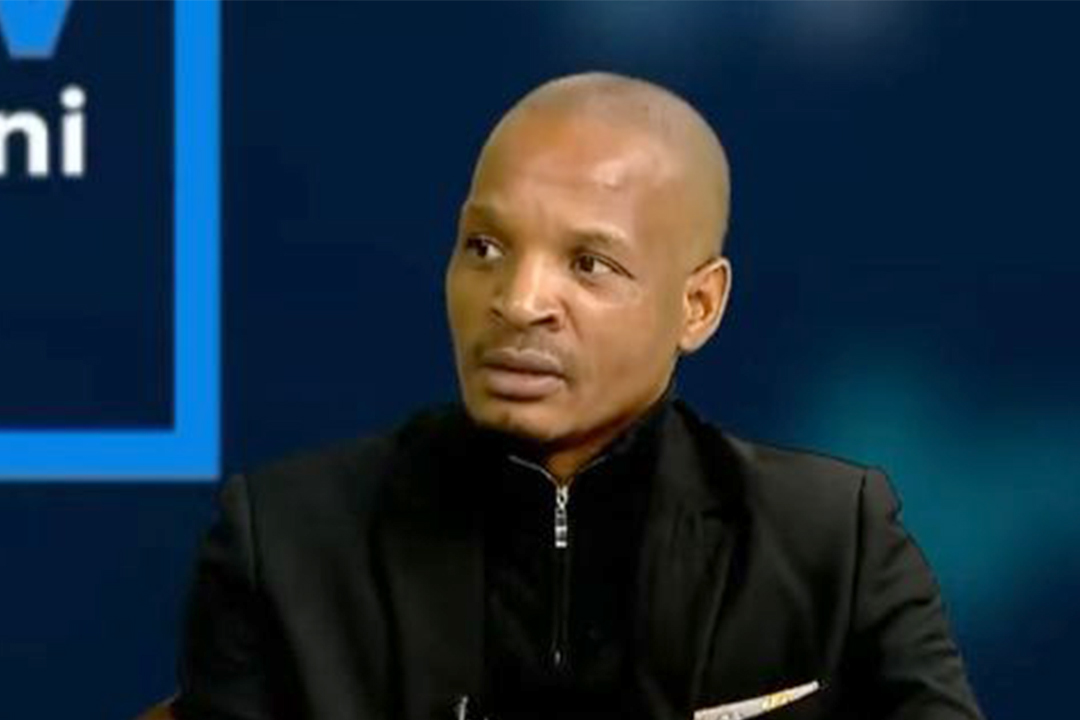
Speaking during an interview on the Eswatini TV programme Market View, Environment Fund Officer Payday LaNgwenya from the Eswatini Environment Authority said the National Environment Fund is a grant mechanism established to respond to environmental degradation and climate change while supporting practical solutions at community and business level.
“The National Environment Fund is really a grant mechanism that has been established by the government of the Kingdom of Eswatini to tackle environmental challenges,” he said. “Environmental degradation and climate change impacts are affecting communities and businesses, and there is a lot that can be done at local level to address these issues.”
LaNgwenya said the fund is open to a wide range of applicants, including businesses, municipalities and community groups, provided their projects contribute to environmental management and climate action.

He explained that while some view the fund as social enterprise support, it plays a broader role by combining environmental protection with economic opportunity. Applicants can access up to E300 000 per project, with priority given to initiatives that demonstrate clear environmental benefits and potential to improve livelihoods.
The programme is also shifting towards a blended finance approach, where grant funding can be combined with other financial support to improve project viability. “We are seeing that for sustainability and greater impact, it cannot just be grants,” he said.
Projects such as waste management enterprises were cited as examples that can improve environmental conditions while generating income. LaNgwenya said strong emphasis is placed on impact, including job creation, youth participation and community benefit. Projects are assessed on both environmental outcomes and their ability to create sustainable income streams.
“We try to ensure more youth are engaged, more graduates are involved, and that the project can create livelihoods,” he said. He added that applicants are not expected to submit perfect proposals, as technical teams assist in refining ideas to improve sustainability and impact.
“There is no point in funding a project that will end after implementation. We want projects that can sustain themselves,” he said.
LaNgwenya noted that the fund also helps position the country to access larger international climate financing by using successful small projects as scalable models. With the deadline approaching, applicants are encouraged to submit proposals that offer practical, sustainable solutions benefiting both people and the environment.