


BY TANDZILE DLAMINI
MBABANE— The Ministry of Health says Eswatini is closely monitoring the global hantavirus outbreak linked to a cruise ship in the South Atlantic, while maintaining that the country remains on high alert and prepared to respond to any potential public health threat.
This follows an outbreak that has already claimed three lives and left several others infected or under medical observation after passengers aboard a Dutch flagged cruise ship developed severe respiratory illness while travelling across multiple international waters.
According to the Ministry of Health Communications Officer Nsindiso Tsabedze, Eswatini is actively engaging the World Health Organization through the country office to track developments and receive technical guidance on the outbreak.
“The Ministry of Health is aware of the hantavirus situation and is engaging with WHO through the country office on updates and the way forward,” said Tsabedze.

Health authorities said the country is continuing to monitor the situation through weekly surveillance systems coordinated by the National Public Health Emergency Management Core Team (PHEMCO), while the Public Health Emergency Operation Centre (PHEOC) remains on watch mode, tracking international developments.
Tsabedze further said Eswatini has strengthened its emergency response systems following lessons learnt during the COVID 19 pandemic.
“In terms of response, we have since upgraded our response systems after lessons from COVID 19. Eswatini has a team of highly trained responders ready to be deployed to respond to any public health threat,” he said.
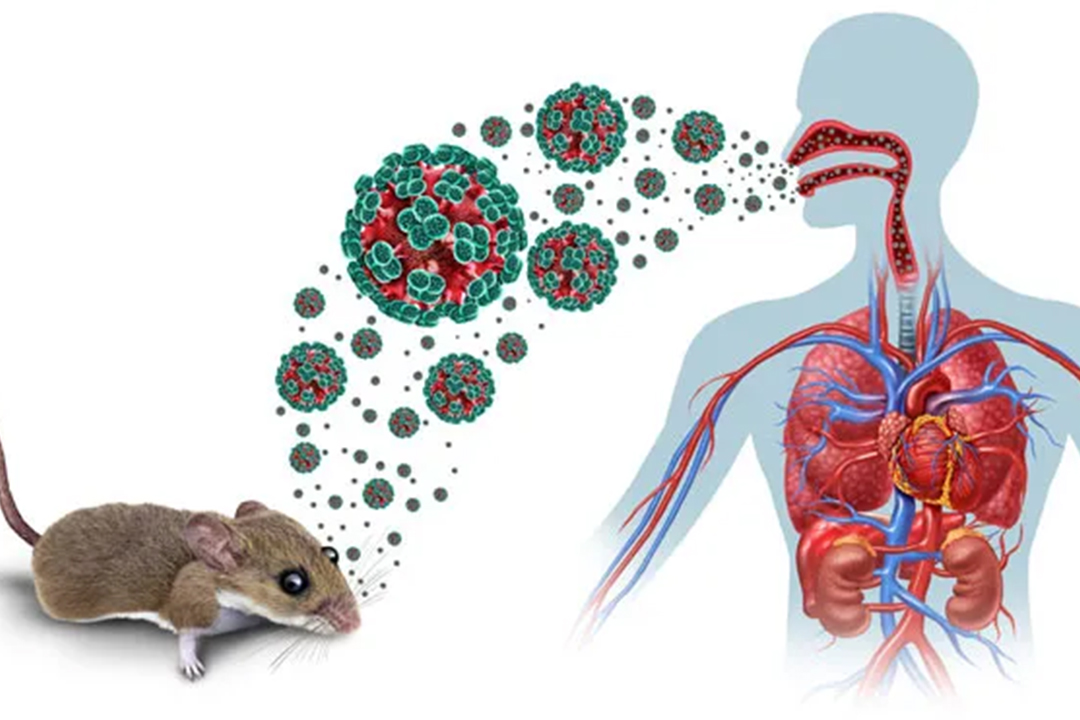
He noted that response teams have undergone specialised AVoHC SURGE training focused on emergency preparedness and outbreak response. Hantavirus is a rare but potentially deadly disease transmitted mainly through contact with infected rodents, their urine, saliva or droppings. Health experts also warn that infection can occur when contaminated particles are inhaled in poorly ventilated environments.
The World Health Organization confirmed that the outbreak involved passengers travelling aboard a cruise ship carrying people from more than 20 countries. Some patients reportedly developed fever and gastrointestinal illness before rapidly progressing to severe respiratory complications.
One confirmed case was tested in South Africa by the National Institute for Communicable Diseases. While human to human transmission remains uncommon, investigations are ongoing to determine whether it may have occurred in this outbreak.
Tsabedze said there are currently no specific treatments or vaccines for hantavirus infections, although early medical intervention significantly improves survival outcomes. Symptoms linked to hantavirus pulmonary syndrome include fever, fatigue, muscle pain and rapid breathing difficulties.
The Ministry has urged the public to avoid contact with rodents and maintain strict hygiene practices, particularly when cleaning enclosed spaces where rodents may be present. No travel restrictions or public health alerts have been issued in Eswatini at this stage, but monitoring continues as international investigations progress.
Global health authorities currently assess the overall risk to the public as low, although countries have been urged to maintain surveillance systems and strengthen preparedness measures.
(Courtesy Pic)