


BY MBONGENI NDLELA
MBABANE – Large-scale infrastructure and energy projects are emerging as key drivers of Eswatini’s economic growth and transformation, according to the Central Bank of Eswatini’s 2026 Governor’s Annual Monetary Policy Statement.
The report highlights that major public and private sector investments are stimulating construction activity, supporting employment creation and generating positive spillover effects across multiple sectors of the economy.
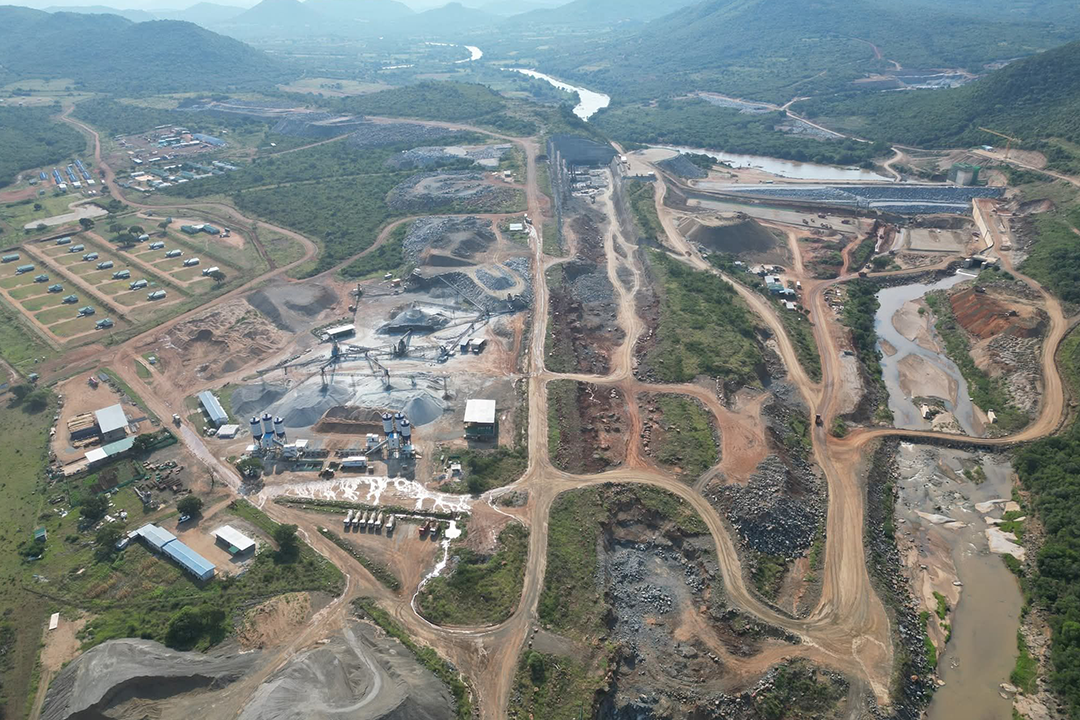
Among the flagship projects identified are the E2.7 billion Mpakeni Dam project, the E2.6 billion MR14 and MR21 road projects, the E5.3 billion Strategic Oil Reserve initiative and a E2.9 billion 75MW solar plant.
According to the report, the construction subsector recorded growth of 11.8 per cent during the fourth quarter of 2025, up from 9.6 per cent in the previous quarter.

“This sustained growth continued to be supported by the implementation of major public infrastructure projects, alongside ongoing private sector developments,” the report stated.
The Central Bank noted that the construction sector has remained a key contributor to national economic growth since the beginning of 2025.
“The subsector has remained a key driver of economic growth since the first quarter of 2025, with notable positive spillover effects to other sectors,” the report added.
The infrastructure boom is also strengthening sectors such as manufacturing, transport, financial services and quarrying.
The report revealed that quarried stone production grew significantly by 78.4 per cent during the review period in line with increased construction demand.
Economic analysts believe the continued rollout of strategic projects demonstrates growing investor confidence in Eswatini’s long-term development agenda.
The Central Bank further projects that the construction sector will accelerate even more in 2026.
“The construction subsector is projected to grow significantly by 31.4 per cent in 2026, supported by accelerated implementation of large-scale public and private sector projects, particularly in dam construction and major energy-related developments,” the report stated.
The report also highlighted the positive impact of favourable rainfall conditions, which contributed to improved hydro-power generation and electricity supply.
The Strategic Oil Reserve project is expected to strengthen national energy security while the new solar plant will support the country’s renewable energy ambitions.
In addition, the report points to growing opportunities in the ICT and digital sectors as Eswatini continues expanding technological infrastructure.
Governor Dr. Phil Mnisi said infrastructure development remains critical for long-term economic resilience and competitiveness.
The report indicates that ongoing investments are expected to stimulate domestic demand, attract additional private sector participation and support sustainable economic expansion over the coming years.
With several mega projects already underway and more expected in the medium term, Eswatini appears poised to strengthen its position as an emerging investment destination in the region.
The latest findings underline how strategic infrastructure development is increasingly becoming central to the country’s economic transformation agenda.