


BY TANDZILE DLAMINI
MBABANE – Government on Wednesday, 13 May 2026 commissioned the Eswatini Metal Foundry in Sidvokodvo, a more than E700 million investment expected to create at least 500 jobs through the recycling of scrap metal, aluminium, copper, used batteries and tyres into industrial materials for export markets.
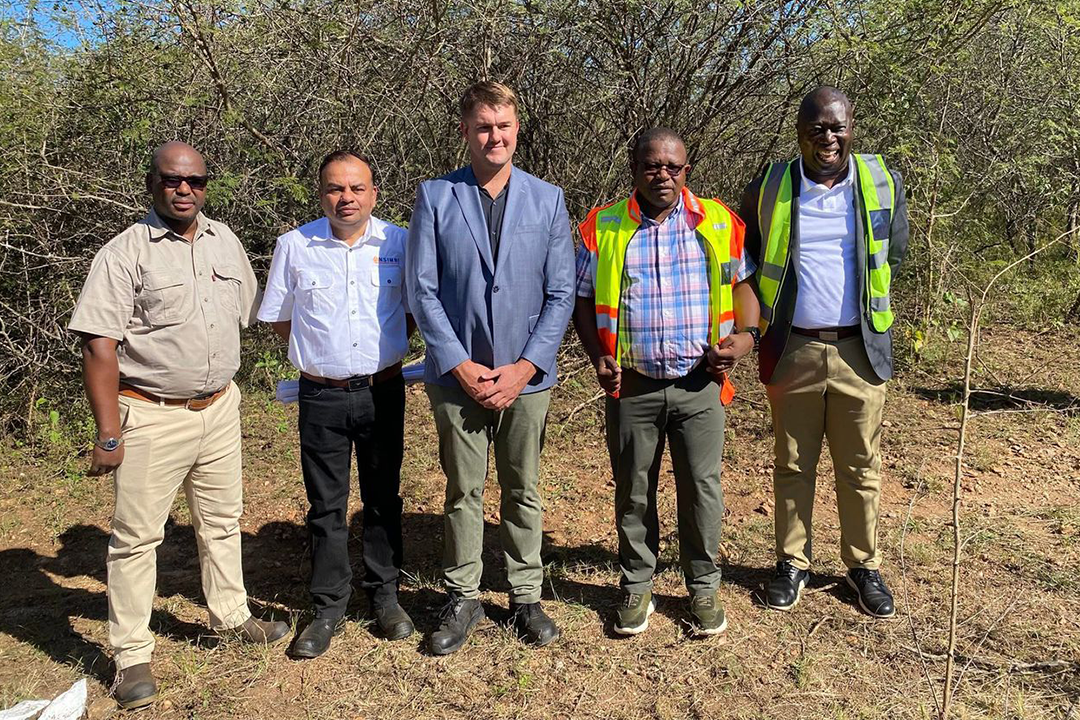
The project was unveiled during a site visit led by Minister of Commerce, Industry and Trade Manqoba Khumalo and marks a major milestone in government’s industrialisation programme aimed at expanding manufacturing and local value addition.
Strategically located along the Sidvokodvo industrial corridor, the foundry is expected to support rail exports and improve access to regional and international markets, including Japan, where recycled aluminium is in demand within the automotive sector.
Speaking during the visit, Khumalo described the investment as a turning point for the country’s manufacturing sector. “This is exactly the type of investment we have been calling for,” he said. “We are an export driven economy, but we do not want to continue exporting raw materials. We want beneficiation to happen inside the country so that value is added here at home before products reach international markets.”

He said the project would benefit surrounding communities such as Sidvokodvo, Kubuta, Nkwene and Gundwini through employment and business opportunities linked to the plant. Chief executive officer Matthew Sprigg said the facility would initially focus on recycling operations before expanding into manufacturing. “We will be taking scrap metal and melting it into secondary products,” said Sprigg.
“We are also looking at recycling tyres through a tyre pyrolysis plant where the rubber will be converted into oil used as an energy source within the foundry.” Sprigg said future phases could include local production of construction materials such as steel rebar, reducing reliance on imports.
The first phase of the project is expected to be completed by May 2027, with full implementation projected over five years. Government says the investment could stimulate downstream industries, boost local supply chains and position the country as an emerging manufacturing hub in the region.