


BY TANDZILE DLAMINI
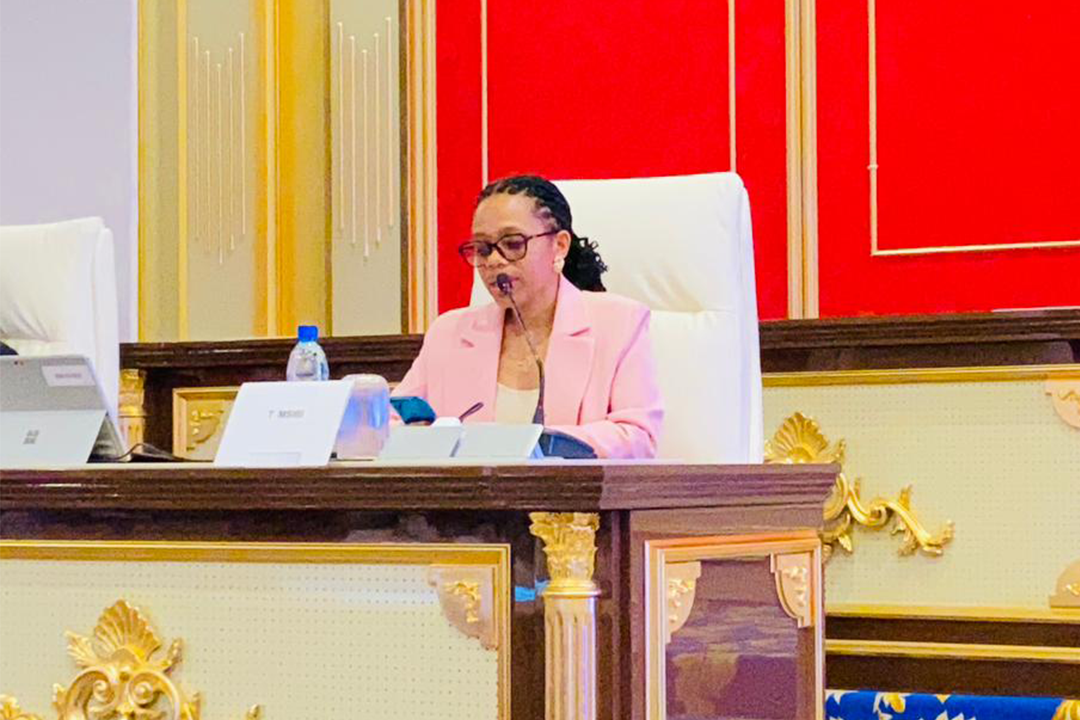
EZULWINI — Thembelenkosini Msibi, regional Board Member at the Southern Africa Youth Forum, used the OACPS EU Parliamentary Assembly sitting to press for a shift in how mobility and education policies are designed, urging lawmakers to treat young people as active partners in shaping continental and global frameworks.
Speaking during a debate on challenges and opportunities linked to mobility and youth education, Msibi said Africa’s demographic reality must be matched with policy ambition, noting that young people are no longer willing to remain on the margins of decision making.
“With a population under the age of 25, our continent is not just a participant in the global economy, but we are its future engine,” she said, setting the tone for a speech that linked demographics to industrialisation, migration and skills development.
She told delegates that youth voices emerging from recent forums were consistent in their message. “The youth have spoken, and their message is clear. They do not want to be passive recipients of policy, but they want to be the co-architects of this partnership,” she said.

Msibi cautioned that mobility debates cannot ignore climate pressures, pointing to displacement patterns across the Sahel and other vulnerable regions, where environmental shocks are increasingly driving migration and instability.
She called for stronger legal pathways for movement to reduce irregular migration risks, warning that gaps in policy continue to expose young people to exploitation and dangerous routes.
On economic integration, she linked mobility directly to the African Continental Free Trade Area, arguing that trade cannot function effectively without corresponding freedom of movement for skills, innovation and entrepreneurship across borders.
“If goods can cross borders seamlessly, the talent that produces, then manages and innovates those goods, must be able to follow,” she said, urging alignment between trade protocols and labour mobility frameworks.
Msibi also highlighted education cooperation between Africa and Europe, pointing to programmes such as Erasmus Plus as important but underutilised tools for skills exchange. She said access barriers, particularly visa delays and limited quotas, continue to restrict opportunities for students from rural and underserved communities.
She further called for accelerated harmonisation of qualifications across the continent, alongside expansion of micro credentials in emerging fields such as artificial intelligence, green energy and sustainable agriculture to better align education with labour market needs.
Closing her address, Msibi stressed that young people are seeking opportunity within Africa’s development agenda rather than leaving it behind, calling for policies that turn integration frameworks into practical pathways for study, work and enterprise across both Africa and Europe.