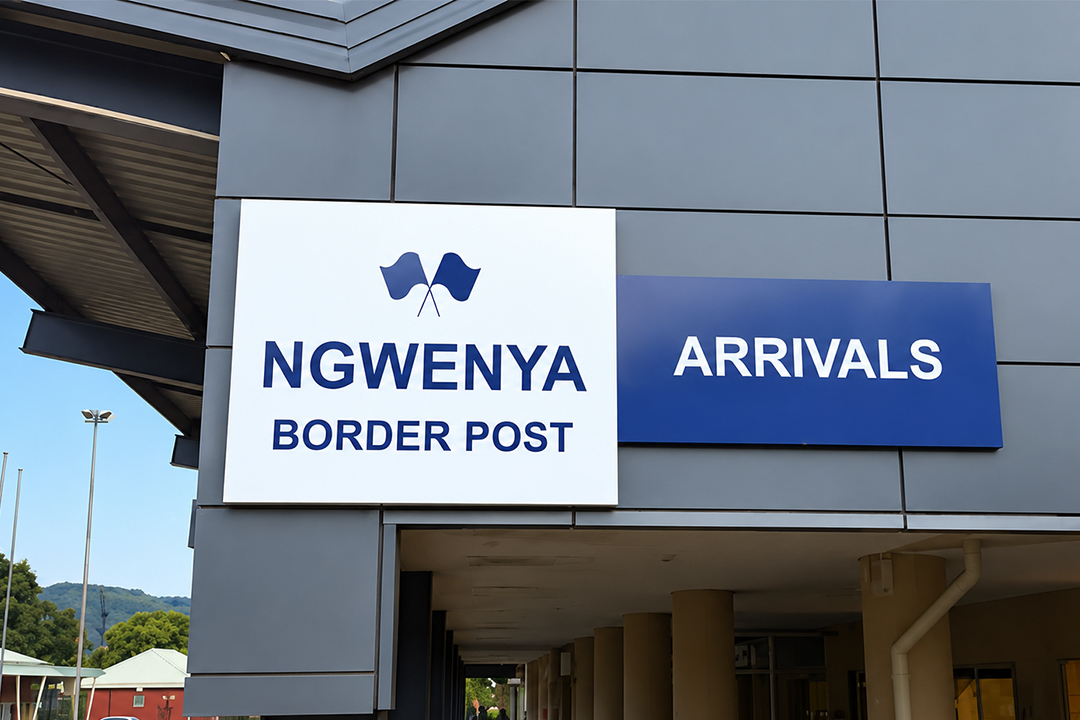




BY TANDZILE DLAMINI
MBABANE– Eswatini recorded 99 884 international visitor arrivals in April 2026, marking a 10.1 percent increase compared to April 2025, as the tourism sector continued its steady recovery despite rising fuel costs, electricity tariff increases and global geopolitical tensions, according to the Eswatini Tourism Authority.
The latest figures show that the Kingdom’s tourism industry is holding firm under pressure, supported by strong regional travel demand, Easter holiday movement and improving air connectivity. April’s performance also represents the highest monthly arrival figure since January 2026, underscoring sustained momentum in the sector.
Between January and April 2026, Eswatini welcomed a total of 369 192 international visitors, reflecting a 10.3 percent increase compared to the same period in 2025. The figure places the country close to pre pandemic levels, just below the 373 521 arrivals recorded in the corresponding period before COVID 19, signalling a near full recovery of tourism activity.
The Easter holiday period played a central role in boosting arrivals, contributing 44 016 visitors, which represents an 11.5 percent increase compared to Easter 2025.

According to the Eswatini Tourism Authority, the growth was driven mainly by cross border movement linked to religious gatherings, family visits and regional holiday travel, particularly from South Africa and Mozambique. The period continues to be one of the most important tourism windows for the Kingdom due to consistent regional mobility patterns.
Africa remained the dominant source market, accounting for 91 percent of total arrivals and growing by 10.4 percent year on year.
Strong performances were recorded from Zambia, which grew by 65.9 percent, Lesotho at 62.5 percent, Zimbabwe at 41.4 percent, and Mozambique at 31.3 percent. The growth from Zambia has been linked to improved direct air access through the launch of the Lusaka route by Eswatini Air operating through King Mswati III International Airport, which has eased previous travel connections through regional hubs.
South Africa, the Kingdom’s largest source market, recorded a slight decline of 1.8 percent, falling from 57 296 arrivals in April 2025 to 56 259 in April 2026. The drop reflects rising transport and fuel costs across the region, influenced by global oil price pressures linked to geopolitical tensions involving the United States, Israel and Iran, as well as domestic increases in fuel and electricity tariffs
The Americas recorded a decline of 14.5 percent, largely driven by a 28.8 percent drop in arrivals from the United States, as rising travel costs and global uncertainty weighed on demand for long distance travel. However, Brazil and Canada posted gains of 38.6 percent and 13.3 percent respectively, indicating selective recovery within the region.
Asia and the Pacific recorded modest growth of 6.2 percent, reaching 1 461 arrivals. Growth from Brazil and Canada was also highlighted within wider emerging market movements, suggesting gradual expansion of Eswatini’s visibility in non traditional source markets.
Europe delivered a strong rebound, growing by 9.7 percent, supported by increased arrivals from France, Germany, Belgium, the Netherlands, Portugal, Switzerland and Norway. The United Kingdom, however, registered a decline of 3.2 percent, signalling uneven recovery across European markets.
The Middle East recorded the steepest decline at 74.1 percent, reflecting reduced travel confidence, disrupted connectivity and increased operational costs linked to ongoing geopolitical instability involving the United States, Israel and Iran.
Tourism sector shows resilience despite global pressure
Despite persistent global and domestic economic challenges, Eswatini’s tourism sector continues to demonstrate resilience. Rising fuel prices, higher electricity tariffs and geopolitical uncertainty have increased travel costs and affected global mobility, yet the Kingdom has maintained positive growth.
The Eswatini Tourism Authority noted that the continued upward trend reflects strong regional demand, improved connectivity and the sustained appeal of Eswatini as a cultural, religious and leisure destination.
With arrivals now approaching pre pandemic levels, the tourism sector is positioned for continued recovery in 2026, supported by regional travel, key holiday periods and expanding air access into the Kingdom.
(Courtesy Pic)