



BY NOKWANDA DLAMINI (Intern)
ZOMBODZE EMUVA – For years, fetching water meant long walks, heavy buckets and valuable hours lost for many families in Zombodze Emuva. Today, that reality is beginning to change as a new community water partnership promises easier access to safe drinking water for thousands of residents.
A collaboration between the Eswatini Water Services Corporation (EWSC), community water kiosk operators and Community Water Committee Chairpersons is set to improve the lives of approximately 11 880 emaSwati during the current phase of the project. The partnership was formalised through the signing of a Memorandum of Understanding (MoU), aimed at strengthening community participation, accountability and the sustainable management of water services.
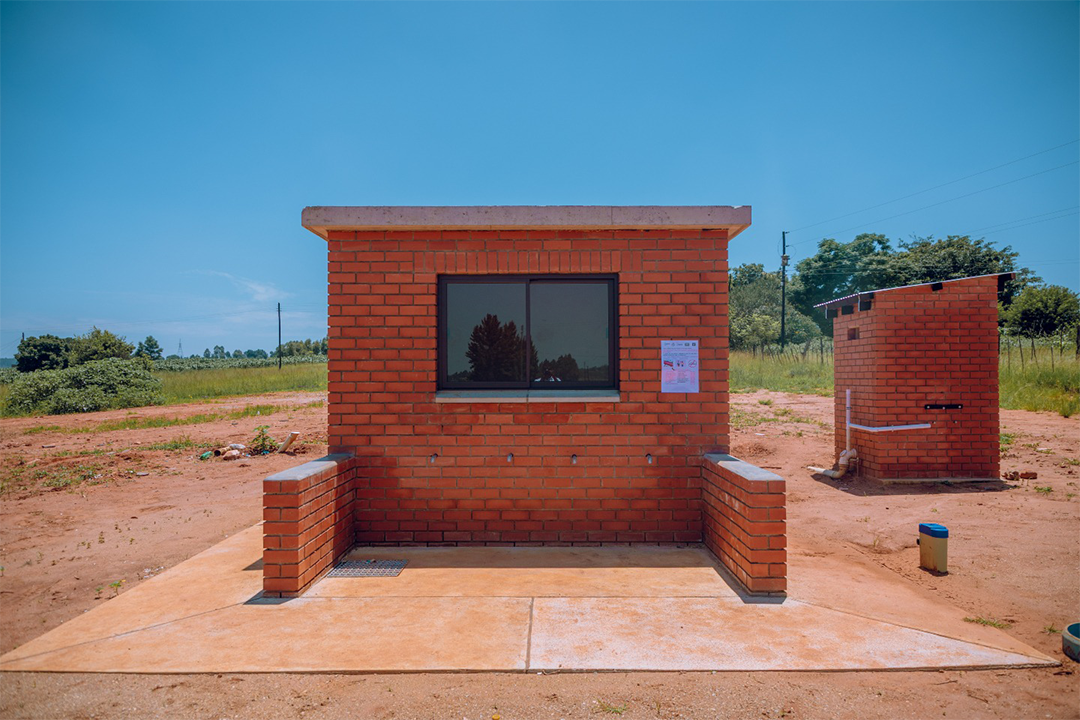
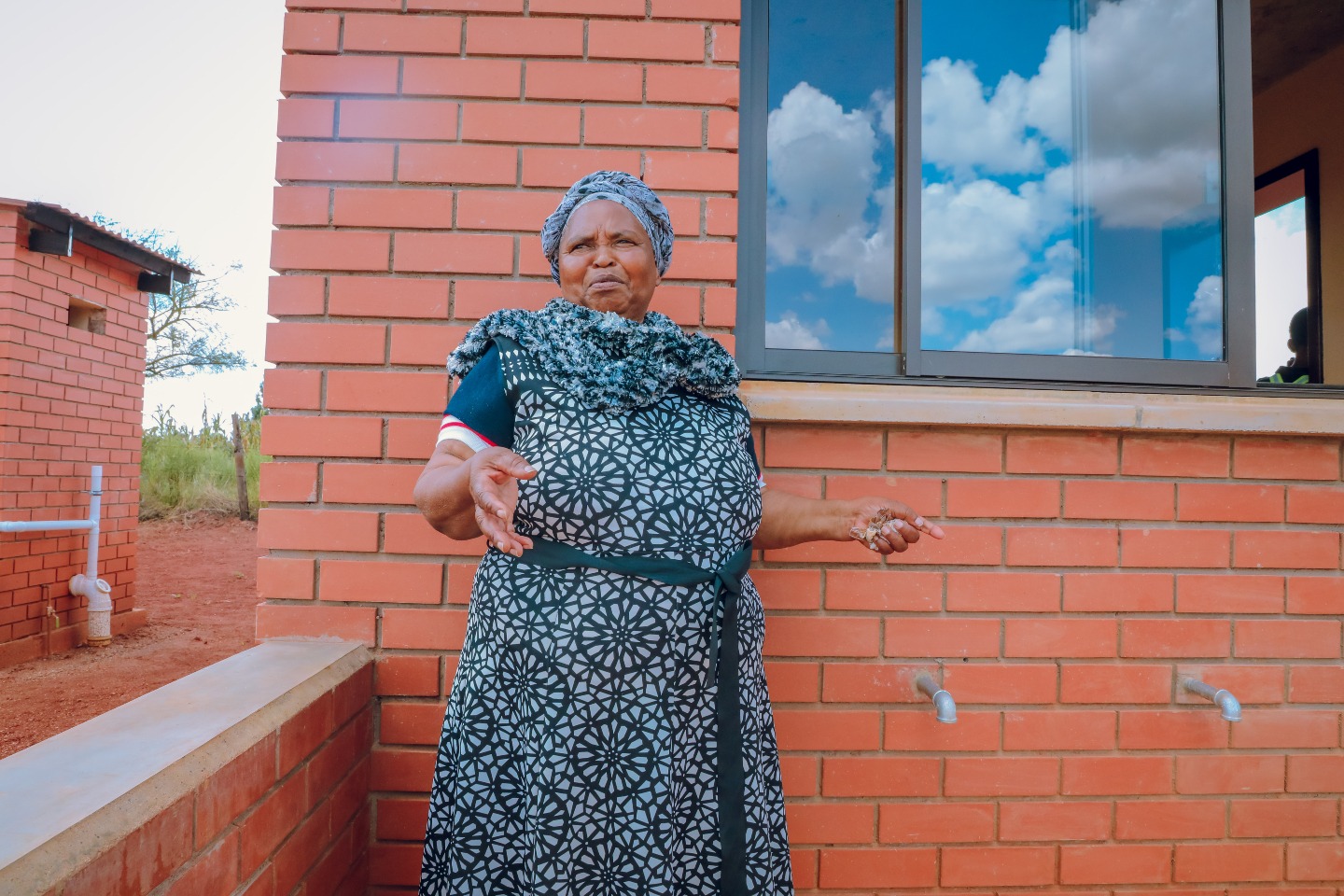
For local resident Colly Mdluli, the newly constructed water kiosk represents more than just infrastructure, it is a source of hope and convenience for families who have struggled for years to access clean water.
“We used to travel long distances to fetch water, which was tiring and time-consuming,” she said. “Having a water kiosk nearby will make life much easier for many households, especially women and children.”
Across the community, residents have welcomed the development with excitement. Easier access to clean water means children can spend more time studying, families can dedicate more hours to productive activities and vulnerable residents can avoid the physical strain of carrying heavy containers over long distances.
Community leaders believe the initiative will also strengthen local ownership of water resources. Through active involvement of water committees and kiosk operators, residents will play a direct role in safeguarding and managing the infrastructure that serves them.
According to EWSC, the partnership forms part of ongoing efforts to expand reliable water services to rural and underserved communities across Eswatini. The initiative seeks to close existing infrastructure gaps while ensuring that safe and affordable water reaches more households.
The current phase is expected to benefit more than 11,880 people, while the full project has the potential to improve access to potable water for up to 38,000 emaSwati. This marks a significant step towards enhancing public health, improving living conditions and strengthening water security in rural communities.
As the water begins to flow closer to homes, residents are being encouraged to protect the infrastructure and work hand in hand with local committees to ensure the project continues to benefit future generations.
“Water is life,” said one resident. “And now, life is coming closer to our homes.”