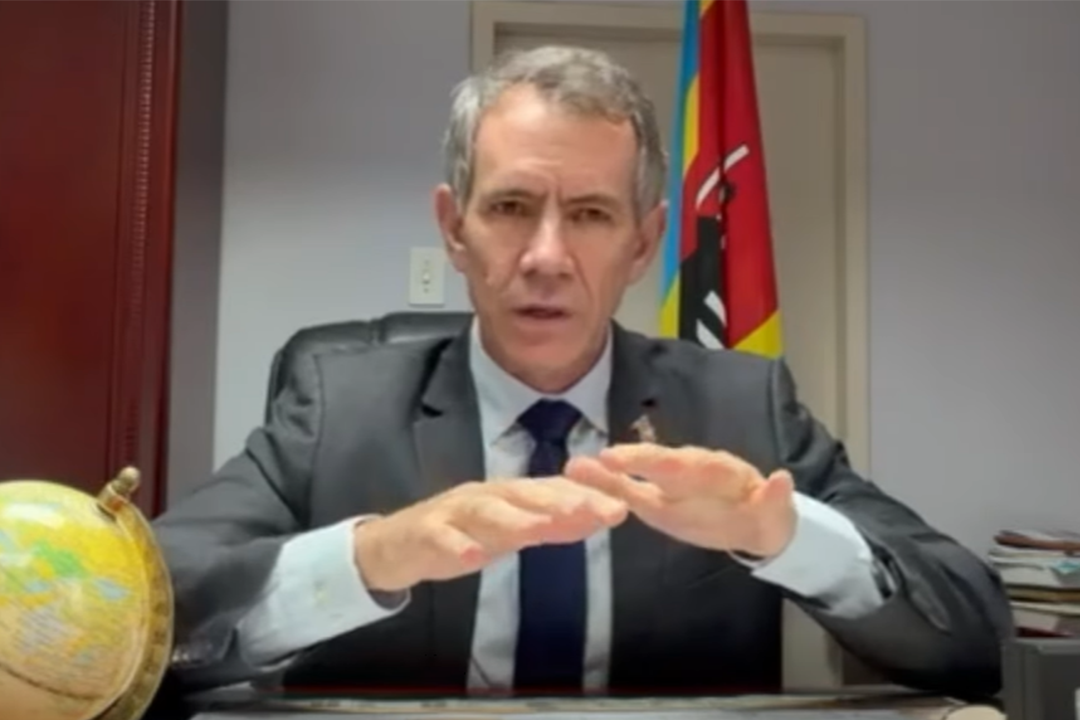




- Finance Minister Neal Rijkenberg says fraudsters are increasingly impersonating banks and government institutions online, urging emaSwati to verify information before sharing personal details or sending money.
BY MBONO MDLULI
MBABANE – As digital technology continues to transform communication and financial transactions in Eswatini, Finance Minister Neal Rijkenberg has called on emaSwati to remain vigilant against a growing number of online scams targeting unsuspecting citizens.
Speaking during Thursday’s #FinanceInFocus bulletin, the minister warned that fraudsters are becoming increasingly sophisticated, using fake social media accounts, deceptive advertisements, text messages and phone calls to impersonate banks, government institutions and public officials.
According to Rijkenberg, scammers are exploiting the public’s trust by creating convincing online profiles and advertisements that promise government grants, scholarships, investment opportunities and financial rewards that do not actually exist.
“We regularly come across fake pages and advertisements claiming that people qualify for grants or other financial assistance. People need to be extremely careful,” he said.
The minister explained that one of the most common tactics involves criminals pretending to be representatives of a bank’s fraud or security department. Victims are often pressured into revealing confidential information such as passwords, PIN numbers, one-time passwords (OTPs) and banking details, which are then used to gain unauthorized access to accounts.
He urged citizens to independently verify any communication claiming to come from a financial institution or government office before taking action.
“If someone contacts you claiming to be from your bank’s fraud department, do not immediately trust the call. Verify the information through official channels before responding,” he advised.
Growing Digital Threat
Rijkenberg noted that cybercrime has become a global challenge affecting governments, businesses and individuals alike. As more services move online, fraudsters continue to develop new methods of targeting people through digital platforms.
While law enforcement agencies, financial institutions and telecommunications providers are working to identify and shut down fraudulent operations, the minister emphasized that public awareness remains one of the most effective tools in combating cybercrime.
“These scams are widespread and continue to evolve. Authorities are doing their part, but the public must also remain alert and cautious,” he said.
Protecting Yourself Online
- Verifying information through official channels before responding.
- Avoiding suspicious links received through emails, text messages or social media.
- Never sharing passwords, PINs or OTPs with anyone.
- Being cautious of offers promising quick financial returns.
- Refusing requests for upfront payments in exchange for grants, prizes or investments.
- Reporting suspicious activities to relevant authorities or financial institutions.
He further cautioned against schemes that promise easy money with little or no risk, saying such offers are often designed to exploit people’s financial ambitions.
“If anyone claims that by paying money upfront you will receive a government grant or another financial benefit, I would strongly advise against it,” he said.
Shared Responsibility
Rijkenberg also encouraged citizens to discuss online safety with family members, particularly elderly relatives and young people who may be more vulnerable to digital fraud.
He stressed that reducing the success of scammers requires a collective effort from government, financial institutions and the public.
As digital connectivity continues to expand across Eswatini, the minister urged citizens to remain cautious when sharing personal information online, emphasizing that awareness, verification and responsible digital behaviour remain the strongest defence against cybercrime.
“The only thing that is really going to stop these scams is when we stop allowing ourselves to be scammed,” Rijkenberg concluded.