



BY TANDZILE DLAMINI
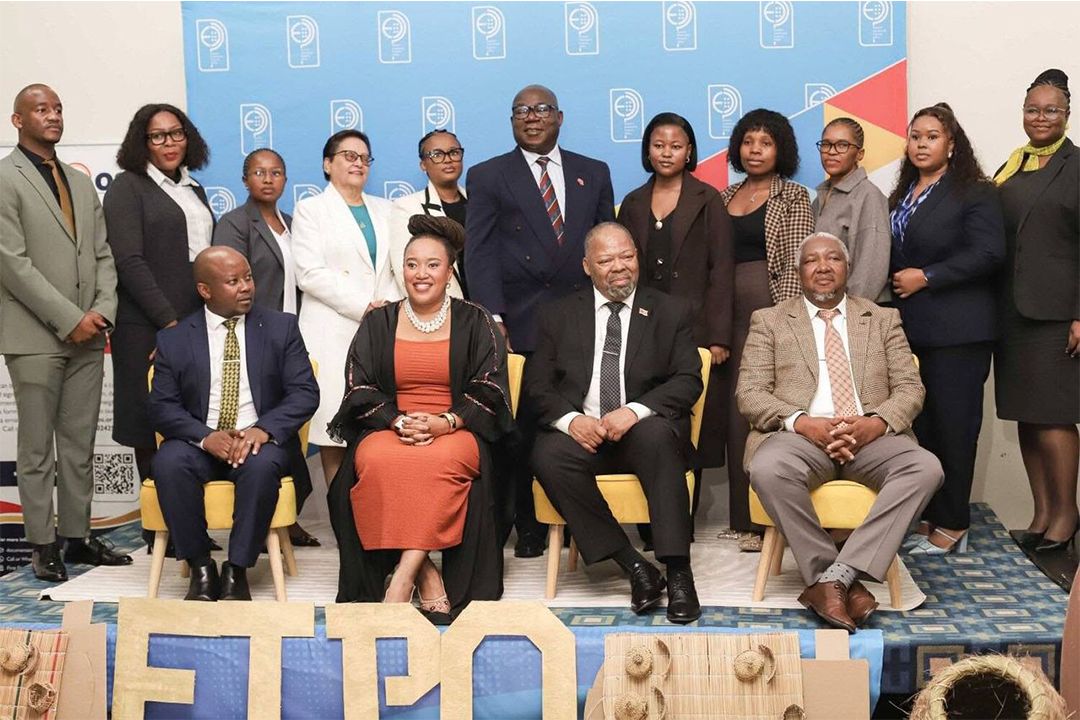
MBABANE — Eswatini’s creative sector took on renewed national importance on Thursday as government, UNESCO, creators and cultural stakeholders gathered at The George Hotel to mark World Book and Copyright Day 2026 under the theme “Promoting SiSwati Stories in the Digital Age.”
The event highlighted growing efforts to position SiSwati storytelling as a valuable product in the digital economy, alongside stronger copyright protection, improved licensing systems, and wider access for creators.
Speaking on behalf of Minister Mancoba Khumalo, Dr Tambo Gina said the digital era requires deliberate action to safeguard local identity while growing creative industries. “As we increasingly navigate the digital world, we must intentionally promote and preserve our local stories, language, and cultural identity,” he said.
He added that the creative economy is now central to economic transformation and youth empowerment, noting progress toward international copyright internet treaties that will support online earnings for creators. “Copyright protection ensures that creators retain recognition and derive economic benefit from their work,” he said.

The event also marked the recognition of the first licensed copyright users, described as a key step toward a regulated creative marketplace. ESWACOS Executive Director Mmeli Hlanze reported progress in the sector, saying 122 rights holders are registered, over 300 applications processed, and more than 350 creative works documented.
He said accurate documentation is essential for royalty payments in the digital economy. ESWACOS also launched the “Bhalisa” online registration platform to expand access for creators across the country. Hlanze confirmed that music tariffs approved in late 2025 now allow formal licensing for broadcasting, streaming and public performance. He said cross border agreements are being finalised to help emaSwati creators earn royalties beyond national borders.
“Creative works no longer stop at national borders,” he said. “A song created in Eswatini can now be streamed globally, but systems must exist to ensure that value returns to the creator.”
He added that the first royalty distributions are expected in the 2026/27 financial year, marking a structured payout system for public performance, broadcast and digital use. A Creative Industries Development Fund will also support artists through grants, mobility assistance and welfare support.
UNESCO Secretary General Lwandle Simelane warned that digital consumption is reshaping culture and identity among young people. “There is a child in Eswatini right now sitting with a screen in their hand who has consumed more stories today than their grandparents consumed in a month,” he said.
He urged stronger local content creation. “The solution is not to take away the screen. The solution is to fill the screen with us,” he said. Simelane cautioned that language loss is gradual. “SiSwati is not on the critical list. But it is not invincible either,” he said.
The event closed with calls for broadcasters, businesses and creators to prioritise local content, as Eswatini advances toward a digital copyright system aimed at ensuring creators earn from their work.