



…MPs call for documents and site visit as questions mount over stalled development
BY MBONO MDLULI
LOBAMBA– Members of the Public Accounts Committee (PAC) have demanded supporting documents and an inspection-in-loco to establish exactly how E6.1 million was spent on the long-delayed Parliament Building Project.
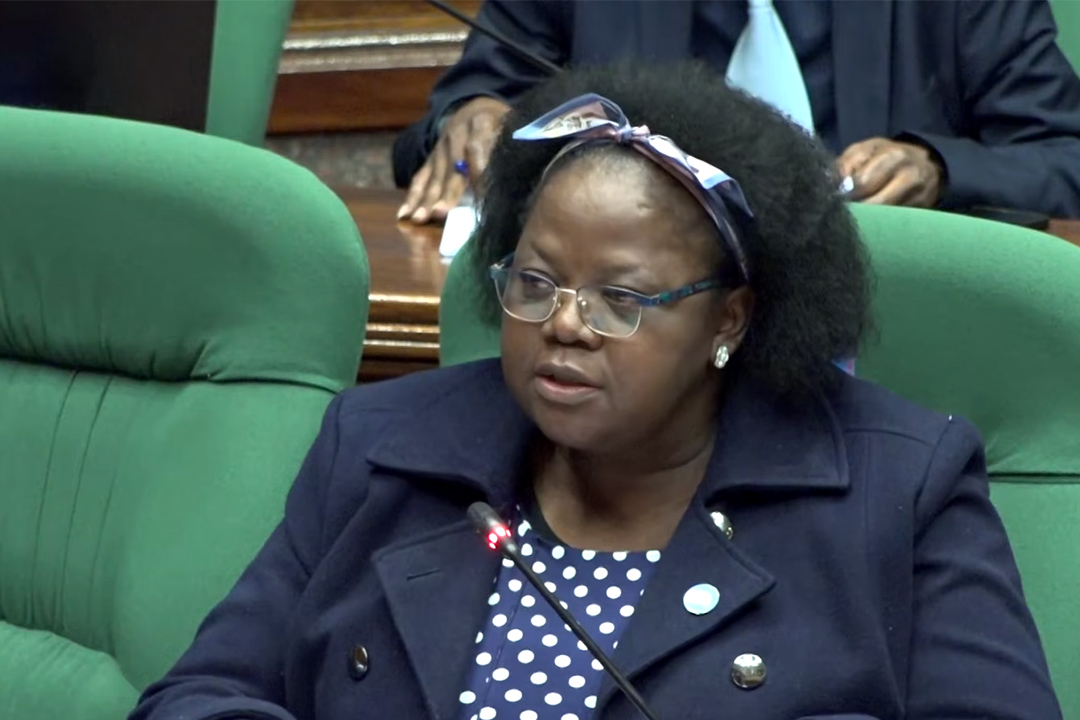
The matter arose on Wednesday, June 3, 2026, when the Ministry of Economic Planning and Development appeared before the PAC in the House of Assembly.
The committee’s concerns followed findings by the Office of the Auditor General (OAG), which reported a 54 per cent under-expenditure on the project during the 2024/25 financial year.

Representing Auditor General Timothy Matsebula, Mphumelelo Matimelane informed the committee that E13 million had been allocated for the Parliament Building Project during the financial year under review, but only E6.1 million was spent.
Matimelane said excessive under-expenditure often raises concerns about project implementation and service delivery.
“The acceptable threshold for under-expenditure is around 10 per cent. Beyond that, it creates the impression that projects are not being implemented, which ultimately affects service delivery,” he said.
Funding Challenges Stall Project
Responding to the concerns, Principal Secretary (PS) Thabsile Mlangeni explained that the project stalled after expected financing failed to materialise.
She said the allocated funds were intended to cover preliminary works while awaiting external financing.
According to Mlangeni, the ministry had expected funding support from the Exim Bank of India but the financing process became inactive before the project could proceed to the next phase.
“We thought the funding would be available and proceeded with preparatory activities. When it became clear that the financing was not progressing as expected, we considered it prudent not to spend the remaining funds,” she said.
The PS added that the ministry continued engaging the Ministry of Finance and the financiers in an effort to revive the project.
MPs Seek Clarity
However, several MPs expressed dissatisfaction with the explanation and demanded more detailed information.
Dvokodvweni MP Sifiso Shabalala questioned how E6.1 million could have been spent when the project itself had not commenced.
Gege MP Agrippa Magesi Dlamini wanted to know whether the money spent had produced tangible results or whether it had effectively been lost.
Zombodze Emuva MP Ntando Mkhonta questioned why funds were budgeted for the project if uncertainty already existed regarding the availability of financing.
He proposed that the committee conduct a site visit to assess the work completed on the ground.
“We need to know whether the E6 million achieved anything. If necessary, we should visit the site ourselves,” he said.
Matsanjeni South MP Sabelo Ndlangamandla said the committee needed precise details on what activities were undertaken using the money.
He also wanted clarity on the total projected cost of the Parliament Building Project.
Project Backed By National Priorities
Somntongo MP Sandile Nxumalo reminded the committee that the project had been discussed for many years, since 2013 when he was also a Member of Parliament, and was supported by the Speech from the Throne.
He expressed concern that the project had remained stalled despite previous commitments and engagements with potential financiers.
“This project carries national significance. It deserves the respect and attention that comes with being backed by the Speech from the Throne,” he said.
Nxumalo added that Eswatini’s Parliament infrastructure compared unfavourably with those of several neighbouring countries within the Southern African Development Community (SADC).
PAC Deputy Chairperson Manzi Vincent Zwane, who was chairing the session, also sought clarity on the challenges preventing implementation and whether the project’s existing designs would remain usable if construction eventually proceeds.
Ministry Details Preliminary Works
In response, Mlangeni, through officials from the Department of the Millenium Projects, explained that the E6.1 million was used for preparatory works at the designated site.
She said the ministry received approximately 15 hectares of land and undertook several activities to secure and prepare the property for future development.
According to the PS, the works included fencing the site, constructing a gate and guard house, creating internal access routes, implementing drainage systems to prevent water damage, and facilitating utility connections through the Eswatini Water Services Corporation (EWSC) and the Eswatini Electricity Company (EEC).
She said these measures were necessary to secure the property and prevent vandalism while awaiting the next phase of development. She said they also build some roads that would be used by the people who stayed near the construction site so that they would not be tempted to vandalise the fenced property.
“The project itself has not been abandoned. The challenge is the absence of financing at this stage. We remain ready to continue once funding becomes available,” she said.
PAC Requests Supporting Evidence
Despite the explanation, MPs remained unconvinced and requested supporting documentation detailing the expenditure.
Some members questioned whether the listed preparatory works could reasonably account for E6.1 million. Nxumalo said the problem was that project costs in the hands of the Millenium Projects had a tendency of skyrocketing. He even suggested that Microprojects should be entrusted with the responsibility of this project because it was going to be lost at Millenium Projects.
However, Ndlangamandla seemed to have a different idea. He submitted that fencing a 15-hectare site alone would not explain the full expenditure, stating that more than E6 million could have been used for the works explained. He said fencing such an area would cost around E4 million. Zwane sought clarification on reports of other developments, such as some church buildings, allegedly taking place near the proposed Parliament site.
Meanwhile, Ludzeludze MP Nomkhosi Masuku commended the ministry for exercising caution by halting further expenditure once it became clear that the anticipated funding was no longer forthcoming.
However, the PAC maintained that documentary evidence would be required before it could fully satisfy itself on how the money was spent.
The committee is now expected to review the requested documents and may conduct an inspection of the site as part of its efforts to establish whether value for money was achieved in the expenditure of the E6.1 million.
(Courtesy Pic)


