


- PS halted suspicious overtime payments upon taking office
- Label followed questions over millions paid to drivers
- Ministry alleges wider government syndicate behind fraud scheme
BY MFANUFIKILE KHATHWANE
LOBAMBA – An alleged E11 million overtime fraud scheme at the Ministry of Education and Training has come under scrutiny after the Auditor-General uncovered irregularities in overtime payments, prompting a Public Accounts Committee (PAC) investigation and exposing what officials believe could be a wider syndicate operating within government systems.
The matter came to the fore after the Auditor-General flagged unsupported overtime expenditure amounting to E1.9 million in the ministry’s accounts for the financial year ended March 31, 2025. The audit found that overtime payments had been processed without key supporting documents such as overtime requests, claim forms and approvals from the Ministry of Public Service.
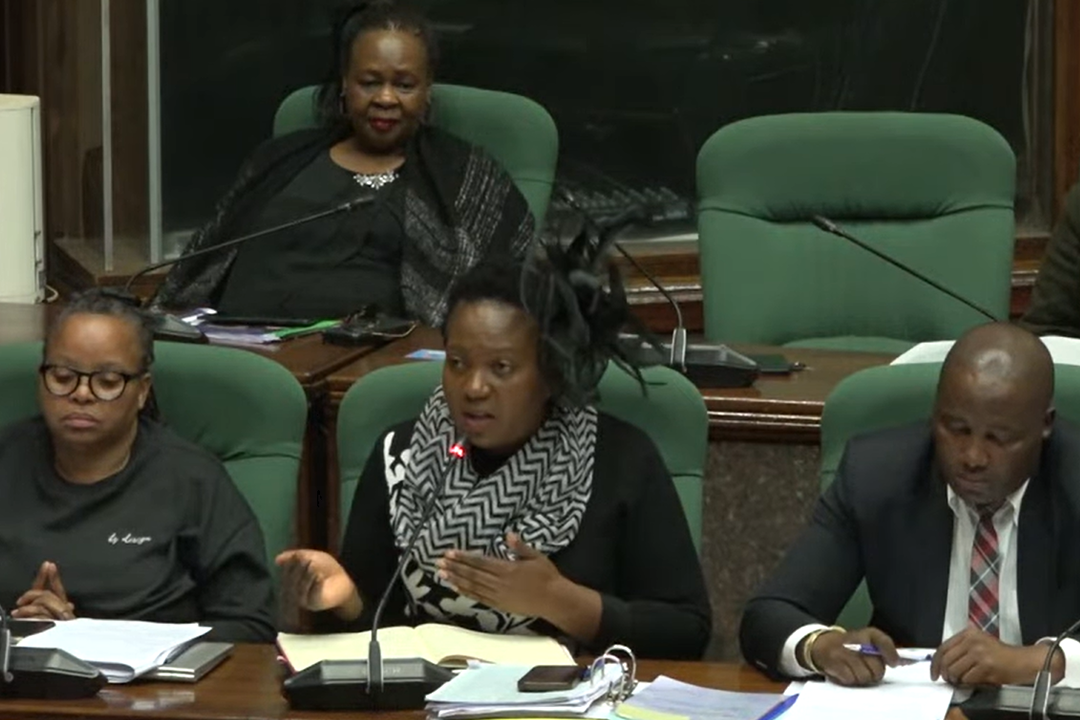
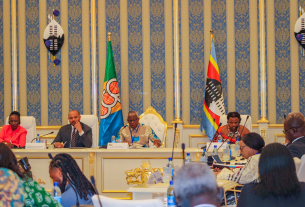
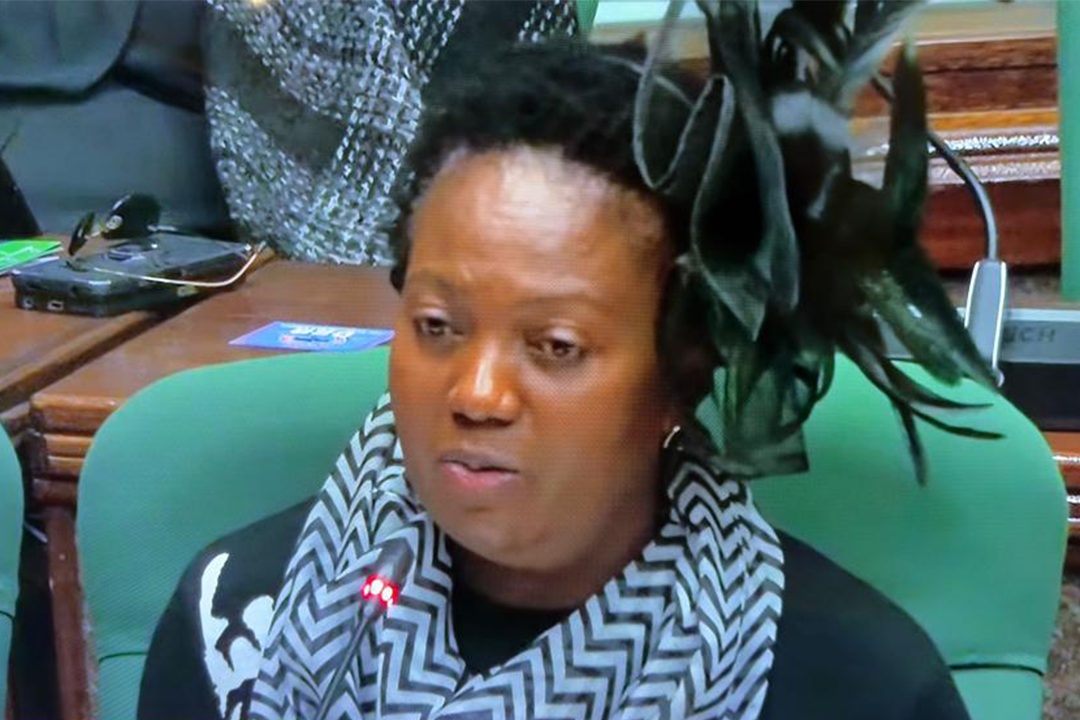
The findings were discussed during a PAC hearing on Tuesday, where Principal Secretary (PS) Nanikie Mnisi revealed that her efforts to question suspicious overtime payments shortly after assuming office earned her the label “uyaphapha” from some individuals involved in the processing of the claims.
Mnisi told legislators that she became concerned after discovering that some drivers were receiving substantial overtime payments that she had neither approved nor been informed about.

“I noticed that some drivers were receiving substantial amounts of money, yet I had not approved the payments. I questioned how the money was being released and requested that the practice be stopped,” she told the committee.
According to the PS, her intervention was not welcomed by some officials involved in the processing of the overtime payments, particularly within Treasury structures.
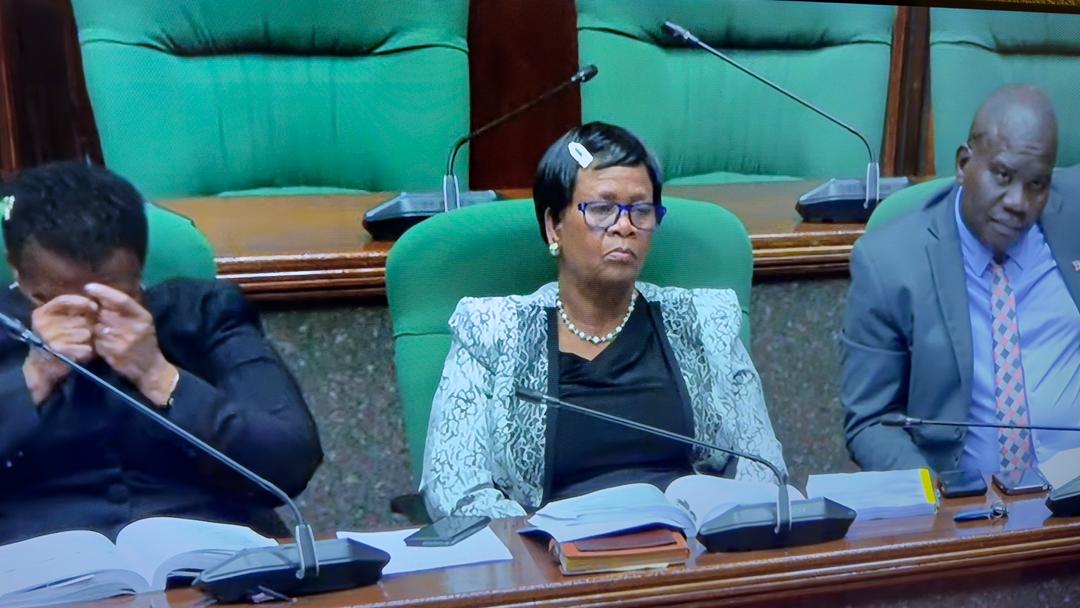
She said she was subsequently branded “uyaphapha”, a Siswati expression often used to describe someone who is viewed as interfering or asking too many questions.
However, investigations that followed allegedly uncovered a much larger problem.
Mnisi informed PAC members that many of the drivers whose names appeared on overtime payment schedules had never applied for overtime and, in some cases, were unaware that payments had been processed in their names.
She said reports indicated that a Treasury official allegedly manipulated the payment system in a manner that made the claims difficult for supervisors to detect. An assistant accountant allegedly collected portions of the money from drivers after the payments had been deposited into their accounts.
The PS further revealed that one driver reportedly died from shock after learning that he would be required to repay funds that had been deposited into his account despite allegedly not benefiting from the money.
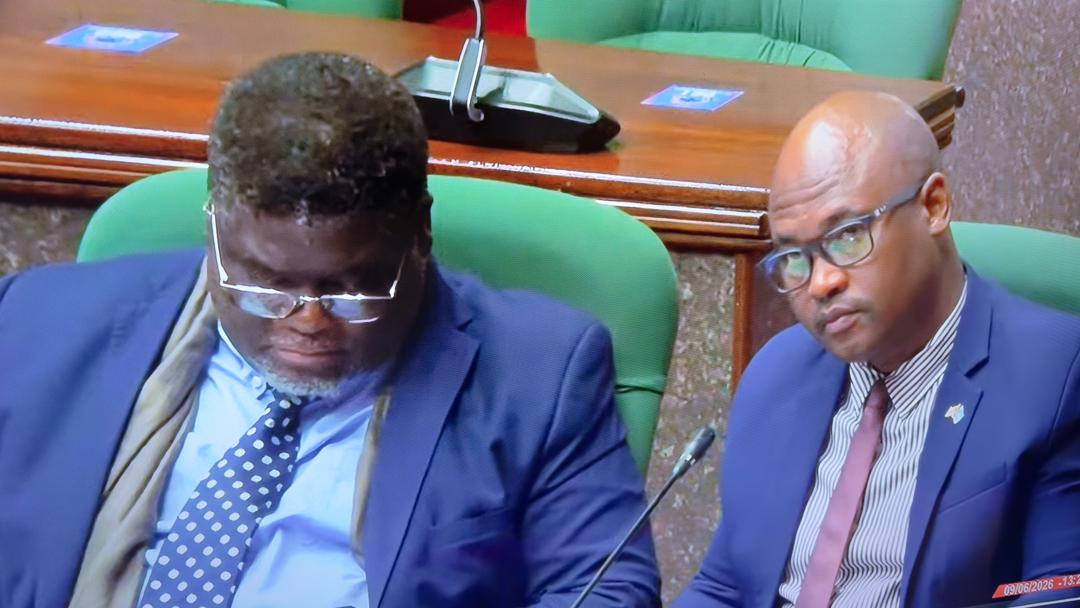
The Auditor-General’s report paints a worrying picture of the extent of the irregularities.
According to the audit, the ministry processed overtime payments despite lacking requests to work overtime, overtime claim forms and official authorisation from the Ministry of Public Service.
One Driver/Messenger received E159,416.21, while a Driver (Heavy) received E150,816.39. Another Driver (Heavy) received E133,814.66, while an Assistant Extension Officer received E130,045.09. Additional employees received amounts ranging from over E40,000 to more than E100,000 during the period under review.
The Auditor-General warned that the unsupported expenditure created a risk of unlawful and unauthorised overtime payments and pointed to weaknesses in internal controls within the ministry.
Responding to the audit findings, the ministry indicated that most of the questionable claims related to drivers and were reportedly linked to services allegedly rendered for the Ministry of Health.
The ministry said that after suspicious transactions were identified, the matter was reported to the Accountant General, the Principal Secretary in the Ministry of Health and the Fraud Department of the Royal Eswatini Police Service.
Evidence was reportedly submitted to facilitate possible prosecution of those involved.
PAC members vowed to continue pursuing the matter to ensure accountability, recover any improperly paid funds and strengthen safeguards aimed at protecting taxpayers’ money from abuse.