


BY MFANUFIKILE KHATHWANE
MBABANE – The Government of Eswatini is set to receive a total of 178 000 doses of Foot and Mouth Disease (FMD) vaccines this week and later in the month as Government moves to fully restore the national mass vaccination campaign that had been temporarily disrupted due to production challenges in Botswana.
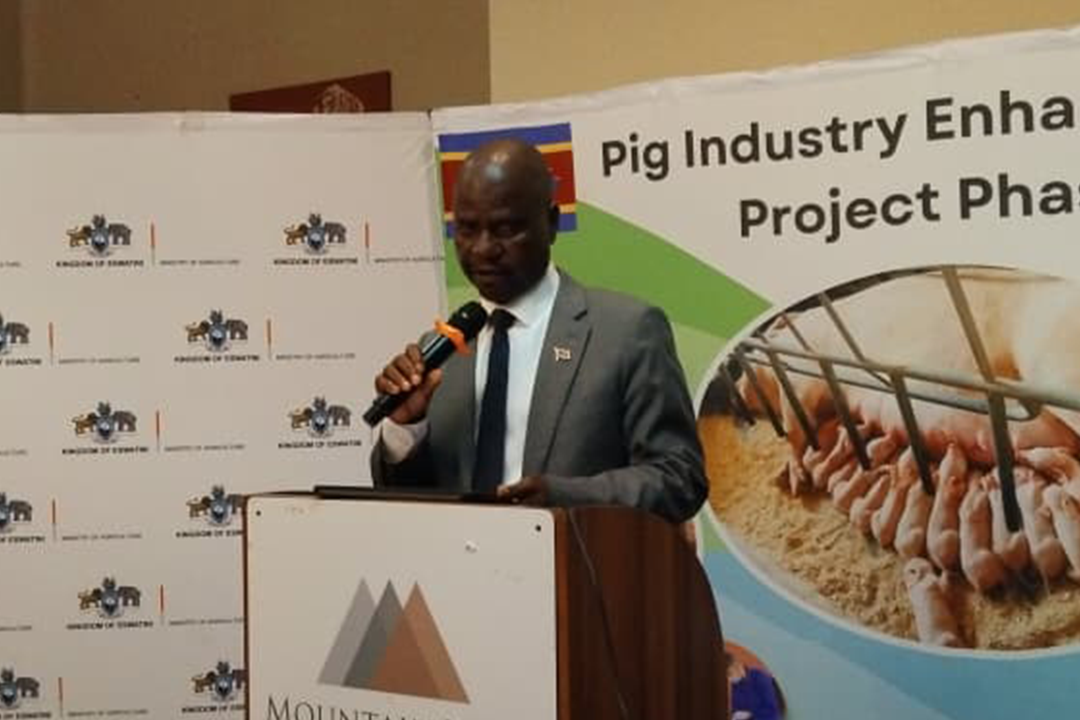
Minister of Agriculture Mandla Tshawuka confirmed that 100,000 doses will arrive tomorrow and will be received at King Mswati III International Airport by Government officials led by the Ministry of Agriculture. A further 78 000 doses are expected on June 30, 2026.
The resumption of vaccine supply marks a critical step in strengthening the country’s livestock health response, following a brief interruption linked to operational issues at the Botswana Vaccine Institute, one of the key regional production partners.
Minister Tshawuka said the arrival of the new consignment will allow the mass vaccination programme to continue without delay, reinforcing government’s commitment to protecting the national herd and stabilising the livestock sector.

Eswatini has already recorded major progress in its nationwide vaccination campaign, which has so far reached about 350,000 cattle out of an estimated national herd of between 580,000 and 600,000 animals. This represents roughly 60 percent coverage under the ongoing E90 million programme aimed at containing the concurrent SAT1 and SAT2 strains of FMD.
The Minister also highlighted the importance of regional cooperation in controlling the disease, noting recent working visits to South Africa and Zimbabwe aimed at strengthening a coordinated cross-border response.
During the mission, Tshawuka joined regional counterparts, including South Africa’s Agriculture Minister John Steenhuisen and Mozambique’s veterinary authorities, to align livestock disease control strategies in Mpumalanga. The engagement focused on synchronized vaccination efforts along border areas, where shared grazing and animal movement heighten the risk of reinfection.
Officials emphasized that independent national action is not sufficient to contain FMD, given the porous nature of regional borders. The coordinated approach is designed to ensure that livestock in border communities are vaccinated simultaneously, reducing the risk of virus circulation across countries.
Government has also maintained strict disease control measures, including movement restrictions and checkpoints, which remain in place despite calls for relaxation. Authorities warn that premature easing of controls could reverse gains made, especially given that vaccine protection lasts approximately six months.
The Ministry of Agriculture continues to oversee all procurement and vaccination processes, with private administration of vaccines prohibited to ensure compliance with SADC technical standards and maintain full traceability and effectiveness of the campaign.
As the new vaccine consignments arrive, government says the focus remains on accelerating coverage, closing remaining immunity gaps, and protecting farmers’ livelihoods from further losses linked to FMD outbreaks.
#Eswatini #Agriculture #FMD #VaccinationDrive #LivestockHealth #FoodSecurity #Government #MandlaTshawuka #PositiveNews #PublicHealth