


- Lawmakers vow tougher oversight, stronger laws to protect women and children
BY MFANUFIKILE KHATHWANE
PIGG’S PEAK – Parliament has pledged to intensify the national fight against gender-based violence (GBV), with Members of Parliament committing themselves to champion stronger legislation, tighter government oversight and evidence-based policies aimed at protecting women, children and other vulnerable groups.
The renewed commitment comes at a time when Eswatini continues to grapple with cases of gender-based violence, teenage pregnancies and other social challenges that threaten the well-being of families and communities.
Speaking during the closing ceremony of a parliamentary workshop at Pigg’s Peak Hotel on Tuesday, Chairperson of the Parliamentary Committee on Gender and Development, Hon. Futhi Ngcamphalala, said Parliament was determined to ensure that research findings and public consultations translate into meaningful action that changes lives.
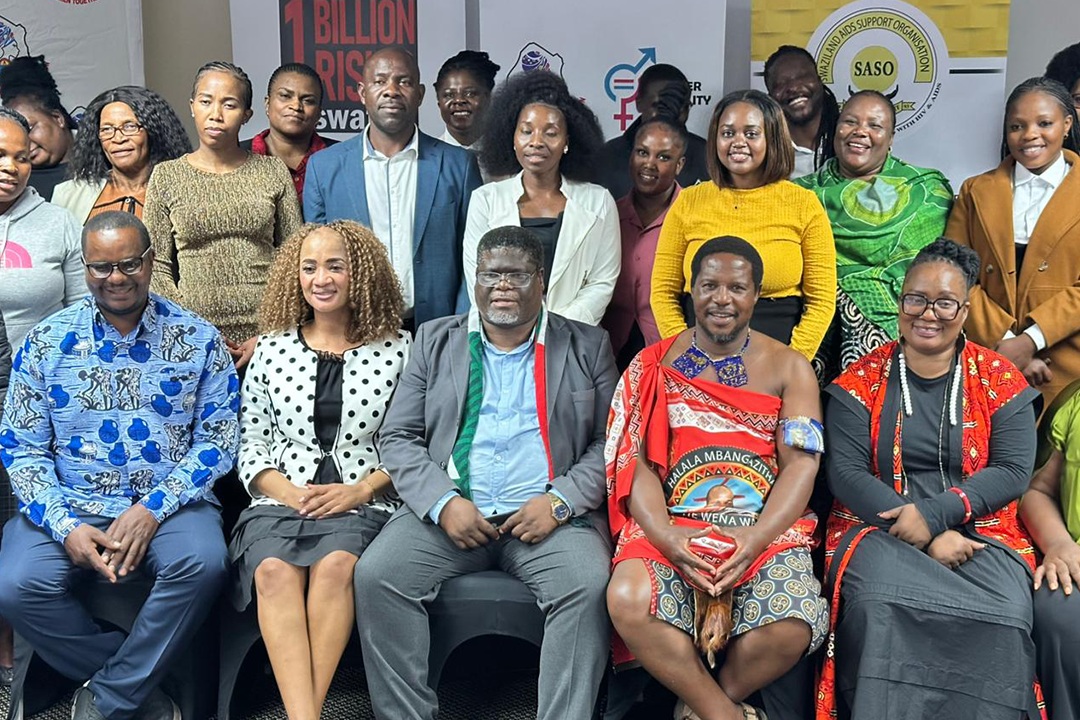
The workshop brought together Members of Parliament, government ministries, civil society organisations, development partners, health professionals and researchers to examine findings from the Complex Sexual and Reproductive Health and Rights (SRHR) Triad Study, which explored the links between gender-based violence, HIV, tuberculosis, unintended pregnancies and access to quality reproductive healthcare.

Ngcamphalala stressed that lawmakers have a responsibility to use credible evidence when crafting legislation that responds to the real challenges facing emaSwati.
“The knowledge, evidence and information shared during this workshop must not remain inside these conference rooms. It must begin by transforming our own lives, our families and eventually communities across the Kingdom,” she said.
She commended MPs for their active participation throughout the workshop, describing their engagement as a clear demonstration that Parliament is serious about confronting some of the country’s most pressing public health and social challenges.
According to the committee chairperson, addressing gender-based violence requires a coordinated national response involving Parliament, Government, traditional leaders, civil society, development partners and ordinary citizens.
One of the most emotional moments of the workshop came when survivors of gender-based violence shared their personal experiences.
Ngcamphalala said the testimonies served as a powerful reminder that behind every statistic is a human being whose life has been permanently affected by violence, abuse and discrimination.
“These are not just numbers. They are mothers, daughters, sisters, children and families whose dignity and rights deserve protection,” she said.
She thanked government ministries, researchers, development partners and civil society organisations for providing Parliament with evidence that will help lawmakers make informed decisions and strengthen national legislation.
Ngcamphalala reaffirmed Parliament’s determination to advance laws and oversight mechanisms that contribute to building a safer, healthier and more inclusive Eswatini.
“We remain committed to seeing an Eswatini free from gender-based violence, where women, men, girls and boys can live without fear, discrimination or abuse,” she said.
Beyond combating GBV, Parliament also pledged to support interventions aimed at reducing teenage pregnancies through education, youth empowerment and improved access to quality sexual and reproductive health services.
Lawmakers further committed themselves to challenging harmful gender norms and cultural practices that continue to undermine equality and hinder national development.
Earlier during the workshop, Committee Vice-Chairperson Hon. Thandi Nxumalo urged fellow legislators to ensure that the research findings do not gather dust on shelves but instead influence practical parliamentary action.
She said Parliament has both a constitutional and moral obligation to strengthen legislation, hold government institutions accountable and advocate for increased investment in programmes that promote gender equality, reproductive health and the protection of vulnerable citizens.
Participants also deliberated on ways to strengthen implementation of existing legislation, including the Sexual Offences and Domestic Violence Act, while exploring measures to improve parliamentary oversight of reproductive health programmes.
Discussions further focused on aligning Eswatini’s legal framework with regional commitments aimed at advancing gender equality, safeguarding human rights and improving access to healthcare services.
Closing the engagement, Ngcamphalala called on every participant to become an ambassador for gender equality, social justice and human rights.
She emphasised that ending gender-based violence cannot be achieved by Parliament alone but requires sustained collaboration among Government, communities, development partners and civil society.
“Our collective responsibility is to build an Eswatini where every woman, every man and every child can live in safety, dignity and equality. Together, we can create a future free from violence and discrimination,” she said.