



BY SIFISO NHLABATSI
MBABANE – Eswatini is exploring Ghana’s internationally recognised Community Resource Management Area (CREMA) model as part of efforts to strengthen community-led conservation, improve biodiversity protection and create sustainable livelihood opportunities linked to natural resource management.
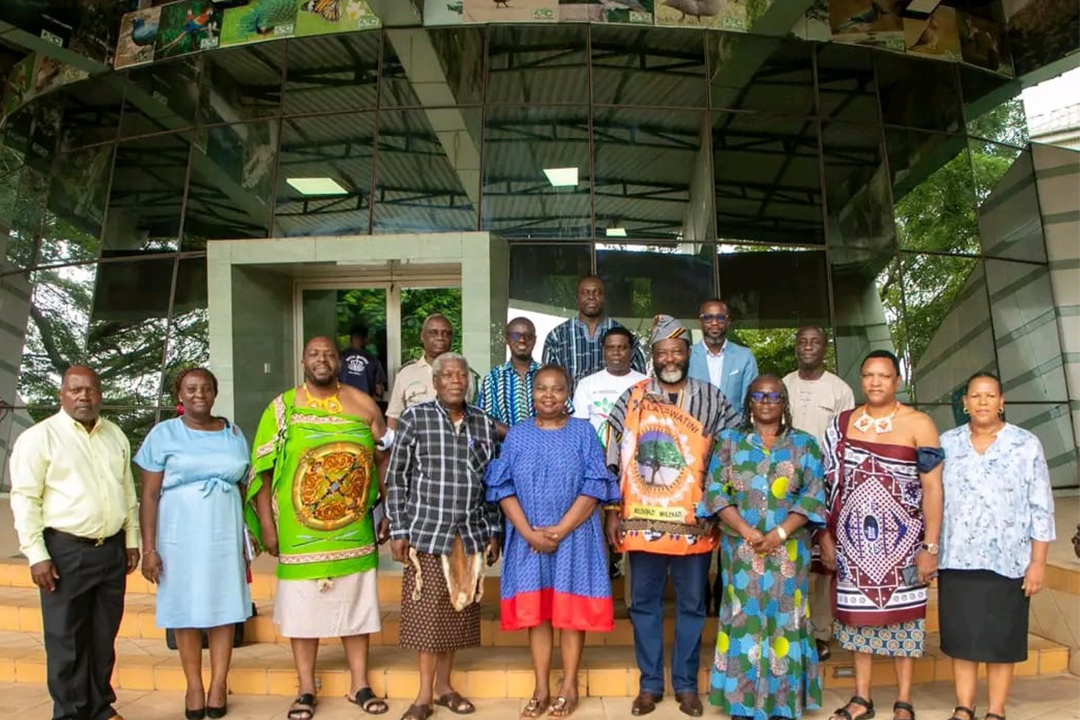
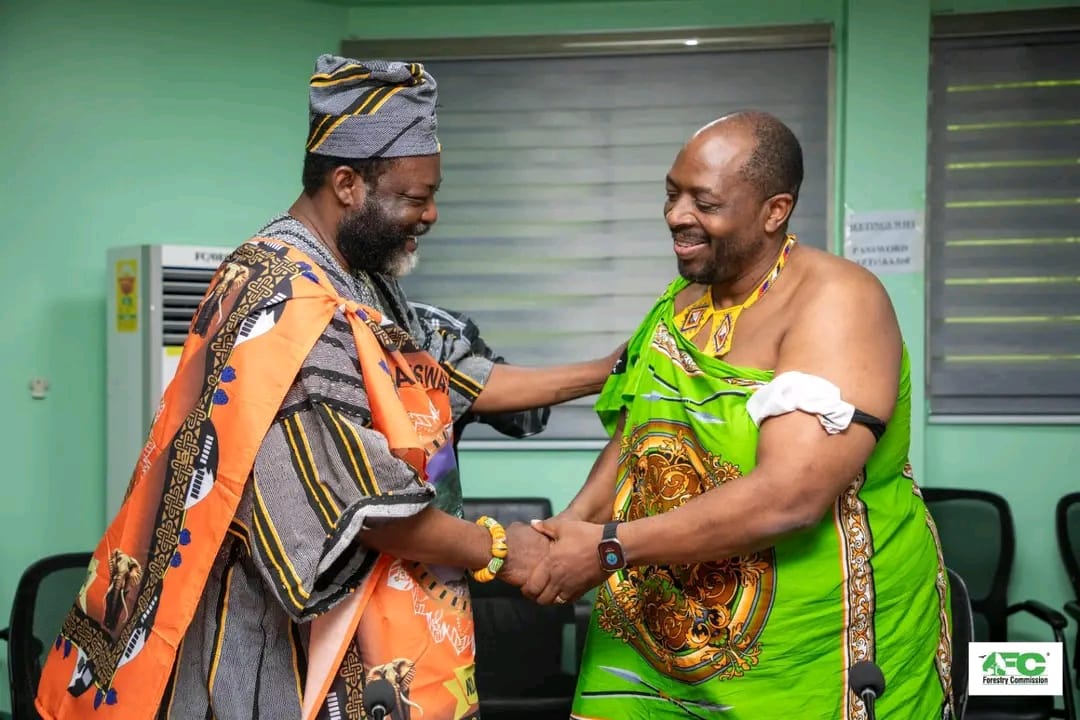
A delegation led by Principal Secretary in the Ministry of Tourism and Environmental Affairs, Nonhlanhla Dlamini, recently visited Ghana’s Forestry Commission on a study tour organised with the support of the United Nations Development Programme (UNDP) Ghana.
The visit focused on Ghana’s Community Resource Management Area (CREMA) concept, a community-based governance model developed by the Wildlife Division of the Forestry Commission that empowers local communities to manage forests and wildlife resources while sharing in the economic benefits generated from conservation initiatives.
The Eswatini delegation sought to gain first-hand knowledge of the policy and legal framework governing CREMAs, stakeholder participation, benefit-sharing mechanisms and strategies that have enabled communities to take ownership of natural resource management.
According to Ghana’s Forestry Commission, discussions also explored implementation experiences, challenges and opportunities for future collaboration between the two countries on sustainable conservation initiatives.
Welcoming the delegation, Acting Deputy Chief Executive of the Forestry Commission, Timothy Ataboadey Awontiirim, said the visit demonstrated the growing importance of South-South cooperation in addressing environmental challenges.
He highlighted the long-standing partnership between the Forestry Commission and UNDP, noting that the collaboration had been instrumental in expanding the CREMA programme across Ghana and strengthening community participation in conservation efforts.
Awontiirim said empowering communities remained one of the most effective ways of protecting forests and wildlife while simultaneously improving rural livelihoods.
During the engagement, Wildlife Division Operations Manager Joseph Binlinla presented the evolution of the CREMA model, explaining how it enables communities to become active custodians of forests, wildlife and other natural resources.
He said participating communities benefit from livelihood programmes such as beekeeping, ecotourism, agroforestry and the production of non-timber forest products, creating alternative sources of income while reducing pressure on forests and biodiversity.
Interactive discussions also examined governance structures, conflict resolution mechanisms, traditional leadership involvement and community participation in decision-making, with participants identifying local ownership and continuous stakeholder engagement as essential ingredients for long-term success.
Speaking on behalf of the Eswatini delegation, Principal Secretary Nonhlanhla Dlamini praised Ghana’s commitment to involving communities directly in conservation.
She said the CREMA model demonstrated that meaningful community participation could significantly improve conservation outcomes while reducing the illegal exploitation of natural resources.
Dlamini further commended Ghana’s benefit-sharing arrangements and the close collaboration between government institutions, traditional authorities, civil society organisations and local communities.
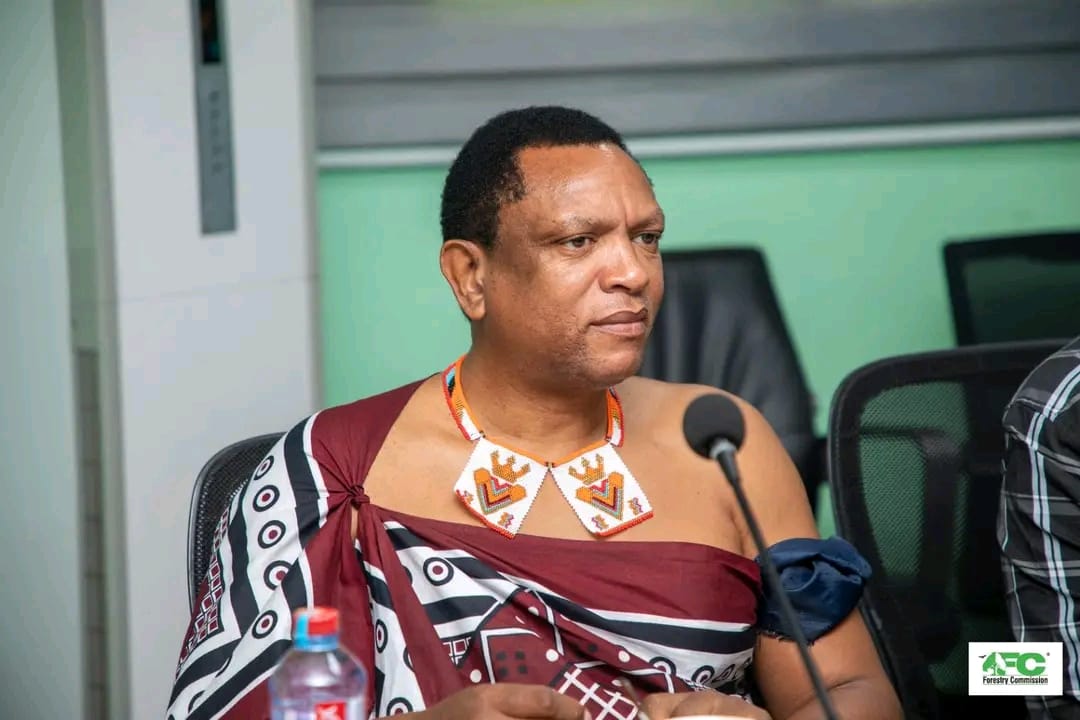
She described the Ghanaian experience as a valuable model from which Eswatini could draw practical lessons as it seeks to strengthen its own natural resource governance systems.
The CREMA model has evolved over more than two decades into one of Africa’s leading examples of community-based natural resource management. Initially developed to improve wildlife conservation outside protected areas, it has since expanded to include forest restoration, climate change mitigation, agroforestry and sustainable land management. Ghana is also strengthening the programme through new regulations under the Wildlife Resources Management Act to provide a more comprehensive legal framework for the establishment and governance of CREMAs.
The model has attracted international recognition because it combines conservation with economic development by giving communities both the responsibility and incentives to sustainably manage natural resources. It has also become an important mechanism supporting biodiversity conservation, climate resilience and equitable benefit-sharing across several regions of Ghana.
To mark the conclusion of the visit, members of the Eswatini delegation planted tree seedlings at the Forestry Commission headquarters under Ghana’s Tree for Life Reforestation Initiative, symbolising the two countries’ shared commitment to environmental sustainability and stronger cooperation in community-based conservation.
(Pics: Forestry Commission Ghana)
#Eswatini #Ghana #Forestry #Conservation #NaturalResources #Biodiversity #ClimateAction #CommunityConservation #Sustainability #EnvironmentalProtection #ForestManagement #WildlifeConservation #UNDP