



BY SIFISO NHLABATSI
LOBAMBA – Members of Parliament have endorsed amendments to regulations that seek to exempt foreign donor funds from taxation, saying the move will encourage more international partners to support development and humanitarian programmes in Eswatini.
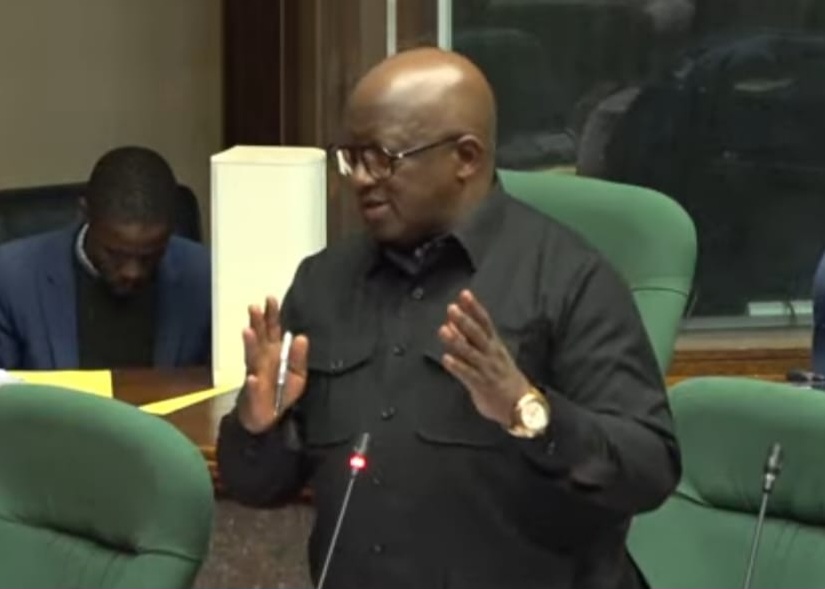
The motion was moved by Lobamba Lomdzala Member of Parliament Marwick Khumalo and seconded by Sigwe MP Cruiser Ngcamphala during deliberations in the House of Assembly.
Moving the motion, Khumalo said the current regulations result in foreign donor assistance being subjected to taxation when it enters the country, a situation he described as unfair and counterproductive.
“It is not right for the country to tax foreign donors who come to assist Eswatini,” he said, adding that the amendment seeks to ensure foreign donor funding is exempt from taxation.

Seconding the motion, Ngcamphala said the country should make it easier for international partners to provide assistance instead of placing additional financial burdens on them.
“When someone comes to help you, you should not then demand more from them through taxes,” he said.
Hhukwini MP Alec Lushaba also supported the amendment, saying many organisations operating in Eswatini depend on donor funding to deliver essential services. He revealed that the Deputy Prime Minister had previously informed Parliament that even food grants had attracted tax obligations, something he described as surprising.
Lushaba, however, cautioned that the amendments should include safeguards to prevent abuse. He warned that some individuals could falsely declare commercial goods as donations in order to avoid paying tax before selling them for profit. He called for clear penalties for anyone found abusing the exemption.
Minister of Education and Training Owen Nxumalo welcomed the proposed changes, saying many development partners are willing to support schools and communities by donating computers and other equipment, but taxation often becomes an obstacle to such assistance reaching beneficiaries.
Deputy Speaker Madala Mhlanga said the regulations should clearly define who qualifies as a donor to eliminate ambiguity and prevent misuse of the law.
Responding to Members’ concerns, Khumalo clarified that the proposed exemption is intended for recognised foreign donor-funded projects and international donor funding arrangements, not for local individuals or Members of Parliament making donations to their constituents.
He explained that genuine donations are made without expecting anything in return and cited an example of clothing donated from Canada that remained held at the Eswatini Revenue Service (ERS) warehouse because taxes had to be paid before the goods could be released.
Khumalo said the amendment seeks to remove such barriers so that donated assistance reaches intended beneficiaries without unnecessary delays. He acknowledged that Parliament must also ensure appropriate accountability measures are in place to prevent abuse of the exemptions.
Mhlanga also questioned the possible impact of the amendment on government revenue. In response, Khumalo argued that if the law recognises foreign donor-funded assistance as exempt from taxation, the exemption should be fully implemented.
Following debate, the House agreed that the committee report be adopted with amendments, paving the way for changes aimed at making it easier for foreign donor assistance to reach communities in need while safeguarding the integrity of the tax system.
#Eswatini #ParliamentEswatini #HouseOfAssembly #VATAmendment #ForeignDonors #DevelopmentPartners #HumanitarianAid #TaxReform #ERS #EconomicDevelopment #PublicPolicy #GoodGovernance #CommunityDevelopment