



BY SIBUSISEKILE NDLANGAMANDLA
MBABANE – Eswatini has taken a significant step towards strengthening its climate resilience and expanding access to international climate finance through a technical working session held as part of the Green Climate Fund (GCF) Country Engagement and Programming Mission. The session forms part of ongoing national efforts to develop climate projects that respond to the country’s environmental challenges while supporting sustainable economic growth.
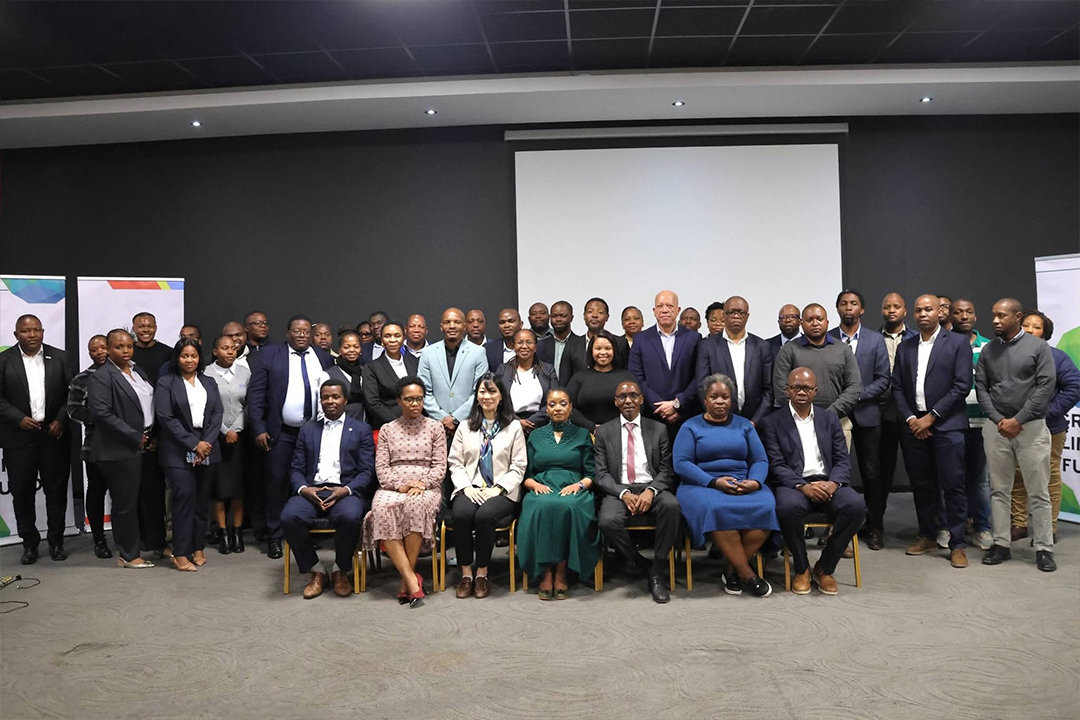
The session, convened by the Ministry, brought together multisectoral stakeholders, project proponents, development partners and beneficiaries to discuss climate finance initiatives aligned with Eswatini’s climate and sustainable development priorities. It was attended by Ms. Marie Tajima, Climate Investment Associate Principal in the Department of Africa Region at the Green Climate Fund, who engaged stakeholders on strengthening the country’s climate investment pipeline.
Among the key initiatives discussed was the Strengthen Urban Resilience in Eswatini (SURE) Project, which seeks to promote sustainable and climate-resilient green cities. The project is expected to improve urban planning and infrastructure while helping communities adapt to the increasing impacts of climate change, including extreme weather events and environmental degradation.
Stakeholders also reviewed a proposed agriculture project aimed at helping farmers strengthen their resilience to climate change. The initiative seeks to promote climate-smart agricultural practices, improve food security and support farming communities in adapting to changing weather patterns, prolonged droughts and other climate-related risks affecting agricultural productivity.

Discussions focused on translating Eswatini’s national climate priorities into bankable projects capable of attracting funding from the Green Climate Fund and other international financing mechanisms. Participants also explored ways to strengthen coordination among government institutions, development partners, financial institutions and other stakeholders to ensure climate projects are effectively designed, financed and implemented. The meeting further examined the accreditation pathways of the Eswatini Environment Authority (EEA) and Eswatini Bank, both of which are being assessed for their institutional capacity to directly access, manage and implement Green Climate Fund resources. Accreditation would enable national institutions to access climate finance directly, reducing reliance on international accredited entities while strengthening local ownership and implementation of climate initiatives.
Officials noted that direct access to climate finance would enhance Eswatini’s ability to mobilise resources for projects that address climate change while supporting national development priorities. They added that strengthening institutional capacity would improve the country’s ability to implement impactful climate programmes and accelerate sustainable development.
#GreenClimateFund #ClimateFinance #ClimateAction #ClimateResilience #SustainableDevelopment #Eswatini