


BY SIBUSISEKILE NDLANGAMANDLA
MANZINI – Social workers from Manzini and Mbabane are undergoing Mental Health and Psychosocial Support (MHPSS) training aimed at strengthening their capacity to provide quality care and protection to children, families and communities affected by trauma and other psychosocial challenges.
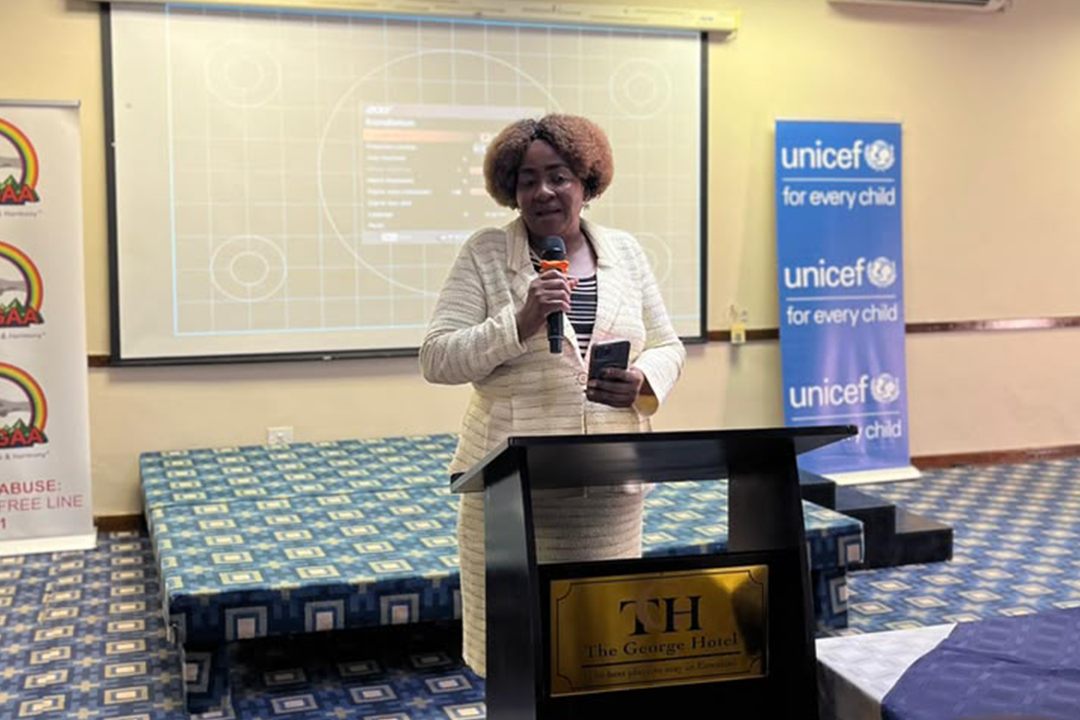
The training was officially opened by SWAGAA Director, who welcomed participants and acknowledged the vital role social workers play as frontline responders in addressing the emotional and psychological needs of vulnerable people. She said social workers are often the first point of contact for individuals experiencing trauma, abuse, neglect and other forms of distress, making it essential for them to have the necessary knowledge and practical skills to offer appropriate support.
In her opening remarks, the Director emphasised that investing in the skills of social workers contributes to stronger child protection systems and more resilient communities. She encouraged participants to take full advantage of the training by actively engaging in discussions, sharing experiences and applying the knowledge gained in their daily work.

The Director also expressed appreciation to UNICEF Eswatini and the People of Japan for their continued partnership and support through the Strengthening Community-Based Child Protection, Mental Health and Psychosocial Services to the Most Vulnerable Populations Affected by the Health Crisis in Eswatini project. “ Such partnerships are helping to build a more responsive and effective support system for vulnerable populations across the country” she said

Psychological counsellor Timi Amu from PSHACC highlighted the importance of mental health, describing it as a foundation for overall well-being. He explained that mental health influences every aspect of a person’s life, including how people think, feel and behave. It also determines how individuals cope with stress, build healthy relationships and make decisions in their everyday lives.
He also added that maintaining good mental health is essential for productivity, healthy relationships and a better quality of life. However, poor mental health can affect emotional stability, physical health and a person’s ability to function effectively at home, in school or in the workplace. He encouraged participants to recognise early warning signs of mental health challenges and to promote supportive environments where people feel safe to seek help without fear of stigma or discrimination.