



BY SIFISO NHLABATSI
EZULWINI– The Eswatini Electricity Company (EEC) is set to apply for a new electricity tariff for the next financial year as its projected net loss widens to E231.1 million.
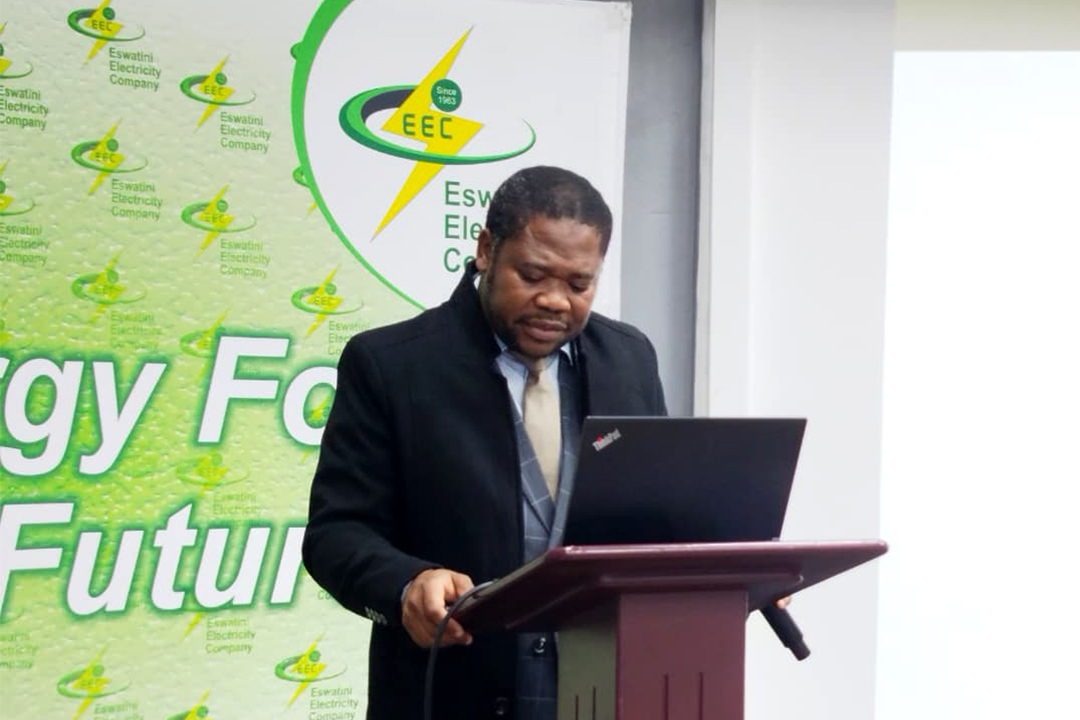
This is according to financial performance figures presented by Acting Managing Director Mphumuzi Maziya during a breakfast meeting with editors at Sibane Sami Hotel on Tuesday.
EEC’s James Mabundza confirmed that the power utility will submit another tariff application to the Eswatini Energy Regulatory Authority (ESERA), although the company has not yet determined the figures it will seek.
Mabundza stressed that the application should not automatically be interpreted as an immediate increase in electricity tariffs.

The planned application comes against the backdrop of a deteriorating financial performance over the seven-year period from 2020 to 2026, despite EEC’s revenue increasing substantially during the same period.
According to figures presented by Maziya, EEC’s revenue increased from E2.50 billion in 2020 to a projected E3.30 billion in 2026.
However, the growth in revenue has not translated into improved profitability.
The company’s operating profit, which stood at E501.5 million in 2020, has moved into negative territory, with an operating loss of E406.8 million projected for 2026.
The financial performance figures further show that EEC moved from recording a net profit of E438.3 million in 2020 to a projected net loss of E231.1 million in 2026.
The projected 2026 loss follows a net loss of approximately E80.4 million in 2025, indicating a significant deterioration in the company’s bottom line.
The figures presented by Maziya paint a picture of a utility whose revenues have grown while its profitability has come under increasing pressure.
The financial challenges are also being compounded by network vandalism and copper theft.
EEC reported that vandalism and copper theft cost the company E2.33 million during the 2024/25 financial year, while a further E1.7 million was lost in 2025/26.
Maziya told editors that these figures did not include other costs associated with vandalism, such as labour, lost revenue and service disruptions.
The theft and vandalism have also affected critical electricity infrastructure, with major incidents reported on the 400 kV Eswatini-Mozambique interconnector and 132 kV transmission lines.
According to the information presented by EEC, high-voltage lines and towers have been stripped of metal components, increasing the cost of maintaining and securing the national electricity network.
The financial pressures have prompted EEC to implement measures aimed at cutting operational costs.
Maziya outlined several cost-containment measures, including increased use of virtual meetings and stricter procurement controls, as the utility seeks to reduce expenditure and improve operational efficiency.
The tariff application will therefore come at a time when EEC is also seeking to contain its costs and address the financial pressures reflected in its latest performance figures.
Mabundza said the new tariff application would be submitted to ESERA for consideration, with the actual tariff proposal yet to be determined.
The distinction is significant because EEC’s application will still have to go through the regulatory process before any changes to tariffs can be effected.
The proposed application also came under scrutiny during the question-and-answer session with editors, where concerns were raised over the cost of electricity and the financial burden on consumers.
The Nation Magazine Editor Bheki Makhubu questioned the tax charged on electricity purchases, noting that electricity had become increasingly expensive for consumers.
The issue of customer costs formed part of a broader engagement between EEC and editors, who questioned the utility on its financial position, operations, service delivery and efforts to respond to consumer concerns.
Editor’s Forum Chairperson Mbongeni Mbingo urged EEC to continue maintaining its open-door policy and to remain responsive to customer complaints.
Mbingo commended the company for making itself accessible to customers and encouraged continued engagement with the media to ensure that consumer concerns are brought to the attention of the utility.
Meanwhile, EEC also used the breakfast meeting to address the growing role of private electricity generation, particularly solar power.
Maziya urged owners of private embedded electricity generation systems, including solar photovoltaic installations connected to the national grid, to register their systems with EEC under the Phehla Sikwati campaign.
He explained that registration was important for grid safety, regulatory compliance and the proper management of distributed electricity generation.
Owners of unregistered systems could face penalties of approximately E15 500, according to information provided during the engagement.
The breakfast meeting provided EEC with an opportunity to explain its financial position and operational challenges while editors raised concerns affecting electricity consumers.
For EEC, the projected E231.1 million net loss in 2026, alongside a E406.8 million operating loss, provides the financial backdrop to its planned tariff application for the next financial year.
#EEC #EswatiniElectricityCompany #ElectricityTariffs #ElectricityCosts #EECFinancials #EEC232MillionLoss #EnergySector #Eswatini #Electricity #ESERA #TariffApplication #Consumers #EnergyCosts #FinancialPerformance #PublicEnterprises #PhehlaSikwati #EnergySecurity #Infrastructure #CopperTheft #NetworkVandalism


