


BY SIBUSISEKILE NDLANGAMANDLA
PIGG’S PEAK– Behind every Government budget, business expansion plan and major economic policy decision lies one crucial question: where is Eswatini’s economy heading?
That question is taking centre stage this week as the Ministry of Economic Planning and Development, together with the Central Bank of Eswatini, brings together some of the country’s key economic experts to sharpen Eswatini’s Gross Domestic Product (GDP) projections for the period between 2026 and 2031.
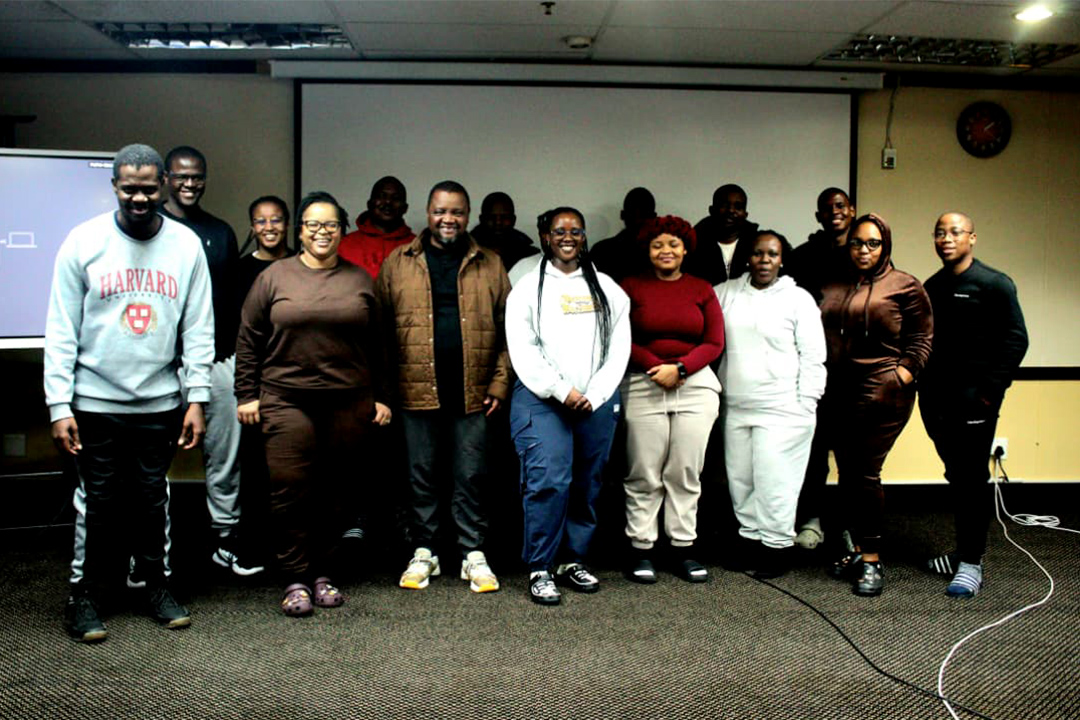
The five-day 2026 Annual GDP Projections Workshop, being held at Pigg’s Peak Hotel, is bringing together the Macro Forecasting Team from the Ministry’s Macroeconomic Analysis and Research Unit and specialists from the Central Bank’s Real Sector Unit.
Rather than simply crunching numbers, the technical team is studying the economic realities that could determine how quickly the country grows, how much revenue Government could collect and what pressures businesses and households could face over the next several years.

The workshop, which started this week and runs until Friday, is examining the latest economic data, information obtained from stakeholders and findings emerging from the Ministry’s annual Company Surveys.
These inputs are expected to help economists build a clearer picture of how different sectors of the economy are performing and what their prospects could be between 2026 and 2031.
The projections are particularly important because they will help Government estimate future revenue collections and calculate key budget ratios ahead of the national budget preparation process scheduled to begin in September 2026.
This means the work currently taking place in Pigg’s Peak could ultimately influence some of the major financial and development decisions Government makes in the coming financial years.
Accurate GDP projections allow policymakers to better understand whether the economy is likely to expand, where risks could emerge and which sectors may require additional attention or policy support.
The forecasting team is therefore looking beyond Eswatini’s borders as it assesses developments that could either support or disrupt the country’s economic progress.
Among the major external risks under discussion are escalating global geopolitical tensions.
Such tensions can disrupt international trade routes and supply chains, increase commodity prices and create instability in international markets.
For a small and open economy such as Eswatini, these international developments can eventually be felt locally through production costs, availability of goods and inflation.
Climate conditions are also firmly on the economic radar.
The technical team is assessing the possible impact of El Niño conditions, which can affect rainfall patterns, agricultural production and livelihoods.
Agriculture remains closely linked to household incomes, food production and economic activity in many communities, meaning severe weather changes can have consequences extending far beyond the farm.
Economists are also considering changes in global markets, shifts in consumer behaviour and possible adjustments to fiscal and monetary policies as they construct the medium-term economic outlook.
Bringing together expertise from both the Ministry of Economic Planning and Development and the Central Bank is intended to ensure that Eswatini’s projections are based on broad, reliable and up-to-date economic information.
Through the collaboration, the two institutions are seeking to produce robust and evidence-based forecasts capable of guiding Government policy, strengthening economic decision-making and assisting businesses with their own planning and programming.
For companies considering expansion, investors assessing opportunities and Government determining how resources should be allocated, understanding where the economy is headed is critical.
The projections are therefore more than figures on a spreadsheet. They form part of the economic roadmap that can help the country prepare for opportunities while building resilience against potential shocks.
The annual exercise also highlights the growing importance of continuous economic monitoring at a time when countries around the world are navigating changing geopolitical conditions, climate-related risks and shifts in global markets.
By constantly reviewing economic data and adjusting projections as circumstances change, Eswatini is seeking to strengthen its ability to plan ahead instead of reacting only after economic challenges emerge.
The final 2026–2031 projections are expected to provide policymakers with a clearer medium-term picture of the economy as preparations for the next national budget cycle gather momentum.
(Courtesy Pic)