


BY SIBUSISEKILE NDLANGAMANDLA
MANZINI– For households, farmers and businesses hoping to generate their own electricity, applying to connect renewable energy systems is set to become easier and more transparent following the launch of a new digital platform by the Eswatini Energy Regulatory Authority (ESERA).
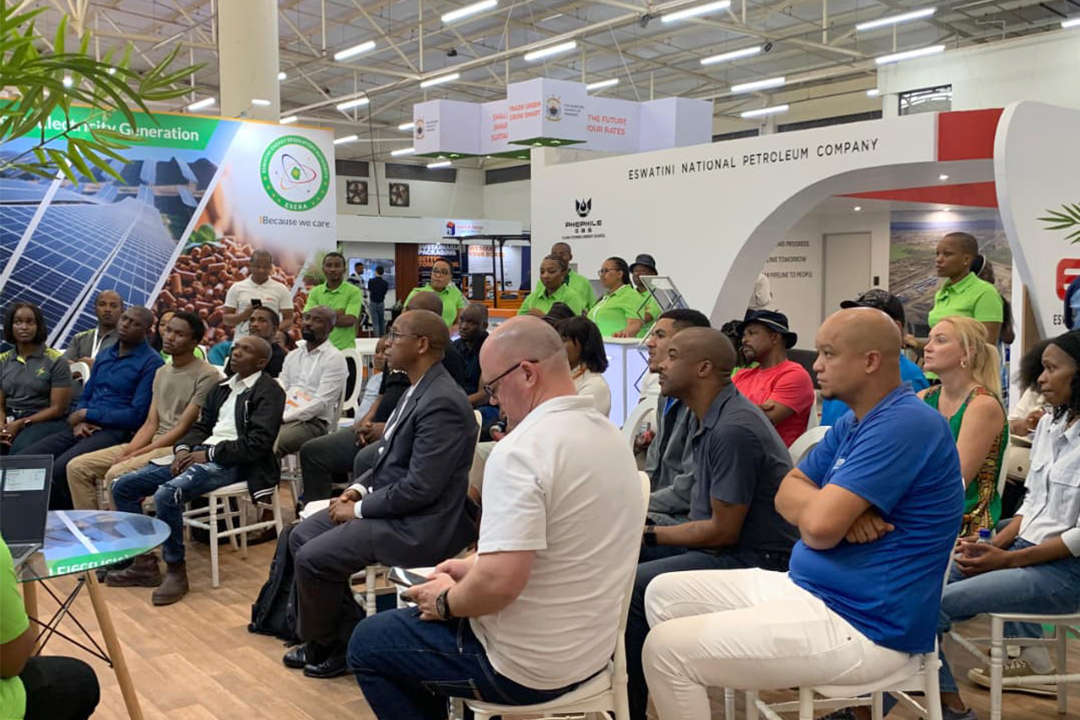
The platform, unveiled during the Eswatini International Trade Fair (EITF) 2026, is designed to simplify the Embedded Generation application process and give prospective electricity producers a clearer path from application to connection.
Instead of customers, installers, the utility and regulator working through separate channels, the new system brings the major players into one shared digital environment where information on Embedded Generation requirements and application procedures can be accessed.
For a farmer considering solar power to support agricultural operations, a business looking to reduce its reliance on conventional electricity supply or a household exploring renewable energy, the platform is expected to make the process easier to understand and navigate.

Launching the initiative, ESERA Chief Executive Officer Skhumbuzo Tsabedze described the development as more than simply another digital service.
“We are not simply launching a digital platform. We are launching an enabler of Eswatini’s energy transition,” Tsabedze said.
He explained that the platform was developed to improve transparency and accountability while increasing efficiency and reducing the administrative burden associated with Embedded Generation applications.
The system is also expected to improve the overall customer experience by providing applicants with a clearer understanding of what is required before they invest in their own electricity generation systems.
Tsabedze said creating a simpler and more accessible pathway would help businesses and individuals interested in renewable energy participate more effectively in Embedded Generation.
Presenting an overview of the system, Megan Euston-Brown of Sustainable Energy Africa (SEA) emphasised that clarity was particularly important for people considering renewable energy investments.
She explained that potential applicants needed to understand how the application process worked, what rules applied to them and what they could expect as their applications progressed.
With that information readily available, she said, the decision by businesses, farms and households to invest in Embedded Generation becomes much more straightforward.
The platform therefore seeks to remove some of the uncertainty that prospective applicants may previously have faced by providing accessible information on the requirements and different stages involved in connecting electricity generation systems.
Its launch also comes at a time when renewable energy is increasingly being viewed as an important part of Eswatini’s broader energy transition and economic development ambitions.
The development fitted closely with the EITF 2026 theme, “Unlocking Green Economy Opportunities for Sustainable Trade Promotion,” which placed sustainable investment and environmentally friendly economic opportunities at the centre of this year’s trade fair.
Through the digital platform, ESERA is positioning technology as an important tool in widening participation in renewable energy while making regulatory processes easier for customers to understand.
For prospective solar and other renewable energy users, the significance is practical: fewer uncertainties, clearer requirements and a more accessible route towards producing their own electricity.