


BY LINDELWA MYENI
MBABANE -Farmers are being urged to take early, climate-smart measures to protect crops, livestock and household incomes as the threat of El Niño raises concerns over rainfall reliability and prolonged dry spells.
Agricultural experts at Malkerns Research Station are encouraging farmers to prepare ahead of potentially challenging conditions, with emphasis on selecting suitable seed varieties, securing water supplies, conserving soil moisture and preparing livestock feed before the effects of dry conditions become severe.
The experts say early preparation can help farmers reduce the impact of unreliable rainfall and maintain agricultural production, particularly in areas where irrigation is limited.
One of the key recommendations is for farmers to choose climate-smart seed, including certified maize and bean varieties suited to lower rainfall conditions. Farmers facing the possibility of a shorter rainfall season are also encouraged to consider early or medium-maturing varieties that can reach maturity faster.

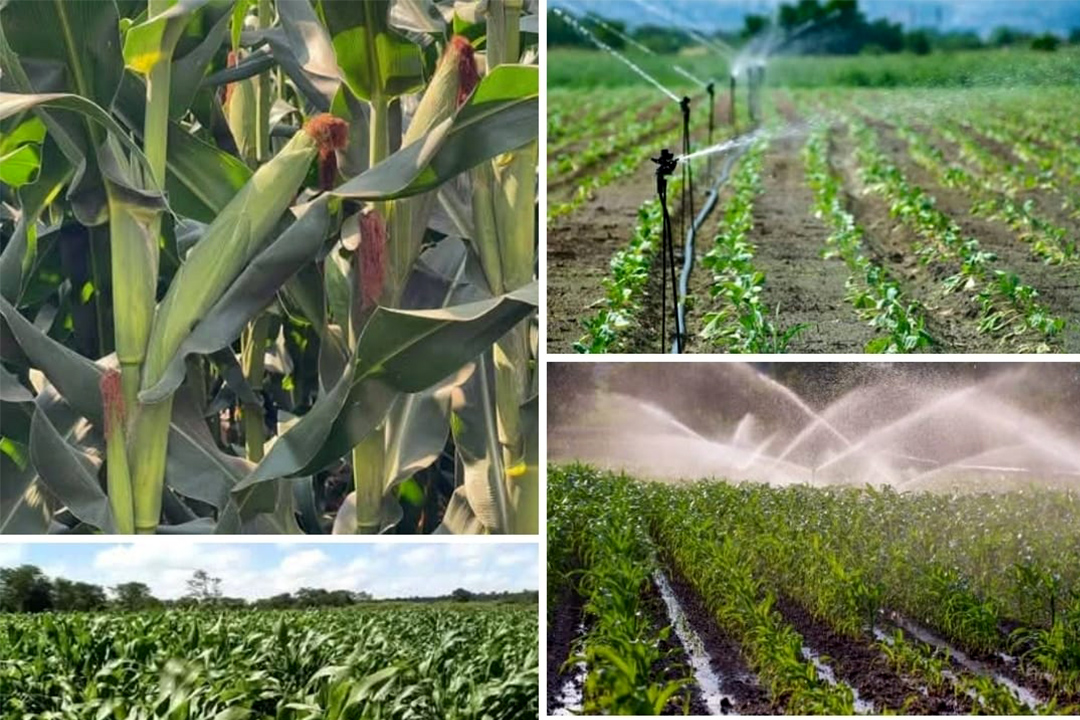
Water preparedness is equally important. Farmers with irrigation systems are advised to inspect and repair pumps, pipes, tanks and irrigation lines before planting, rather than waiting for a dry spell to expose problems with their systems.
For farmers without reliable irrigation, agricultural experts recommend considering crops that are better suited to low-rainfall conditions, including sorghum, millet and cassava, where these are appropriate for the farming area.
Soil moisture conservation should also form part of farmers’ preparations. Maintaining suitable ground cover through cover crops and intercrops can help reduce evaporation, suppress weeds and protect soil moisture.
Farmers are further encouraged to use available crop residues, grass and other suitable organic materials as mulch, helping to retain moisture in the soil during dry conditions.
Fertiliser management is another area requiring careful attention. Farmers are advised against applying fertiliser when the soil is severely dry and should instead follow soil-test results and extension recommendations, timing applications when adequate soil moisture is available.
Livestock farmers are also being encouraged to act early by conserving and safely storing grass, hay and suitable fodder while it is still available.
The preparations are intended to ensure that farmers are not forced to respond only after drought conditions have already affected their fields, grazing and water resources.
The message from agricultural experts is therefore clear, preparation should begin before the drought arrives.
Farmers can strengthen their resilience by choosing the right seed, securing water, protecting their soil, conserving moisture and preparing livestock feed in advance.
#FarmersGuide #ElNino #DroughtPreparedness #ClimateSmartAgriculture
(Courtesy Pic)