


BY GCWALISILE MHLABANE
NGWEMPISI– Young people across Ngwempisi Inkhundla’s five chiefdoms are set to receive vital life skills, protection awareness and socio-economic empowerment as a new youth-driven programme takes development and critical information directly into rural communities.
The Ngwempisi Inkhundla Youth Committee will roll out targeted educational, protective and socio-economic empowerment programmes across Bhadzeni, Macudvulwini, Velezizweni, Ngcoseni and Dladleni chiefdoms.
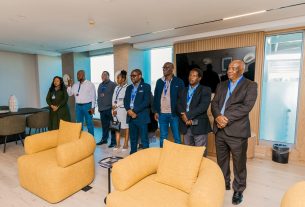
The initiative was announced by Ngwempisi Inkhundla Youth Committee Chairperson Ellis Dlamini following a joint meeting with executive youth leaders from the five chiefdoms at the Ngwempisi Inkhundla Boardroom.
Dlamini said the programme would be implemented in partnership with the Ngwempisi Inkhundla Council, the Eswatini National Youth Council, the Eswatini Action Group Against Abuse (SWAGAA) and other relevant stakeholders.

He said the initiative was aimed at ensuring that young people, particularly those in rural communities, were not left behind when it came to access to information, protection, skills and development opportunities.
“This initiative will provide life-changing benefits to rural youth by equipping them with social, emotional and safety skills,” Dlamini said.
He said the programme recognised that many rural young people faced challenges associated with limited access to information and support services, making community-based empowerment programmes crucial.
The committee’s first training will be held at Velezizweni Chiefdom on September 5, 2026, at the Umphakatsi Community Church, starting at exactly 10am.
About 100 young people from the Velezizweni community are expected to attend.
Dlamini said the training would be facilitated by SWAGAA, the Eswatini National Youth Council and other relevant stakeholders.
A key focus of the programme will be health and safety awareness, with participants expected to receive information on how to identify and respond to different forms of abuse, including gender-based violence (GBV), sexual abuse and human trafficking.
The programme will also provide young people with information on reproductive health, HIV/AIDS prevention and the dangers associated with substance abuse.
Dlamini said psychological wellbeing and mental health awareness would form another important part of the training.
He said open discussions would help young people better understand mental health challenges while reducing stigma around seeking support.
The programme will further focus on building confidence and self-worth through group activities, games, guided discussions and mentorship.
According to Dlamini, these activities are designed to help young people recognise their individual worth, develop confidence and strengthen their ability to make informed decisions.
Education and future planning will also receive attention, with the initiative encouraging young people to remain focused on their studies and reduce the risk of early school dropouts.
The programme will challenge participants to broaden their ambitions and consider professional and entrepreneurial opportunities beyond traditional roles.
“We want young people to think beyond their immediate surroundings and recognise the many opportunities available to them,” Dlamini said.
Leadership development and social transformation will form another pillar of the programme.
Boys and girls will be encouraged to embrace gender equality and challenge harmful social norms and attitudes that continue to limit opportunities within communities.
Public speaking, mentorship and leadership activities will also be used to equip young people with the confidence and communication skills needed to become positive role models and future community leaders.
Speaking on behalf of Ngwempisi Inkhundla, Mliba Mabuza welcomed the active role being played by young people and said the council supported initiatives that placed youth at the centre of community development.
“As the Inkhundla Council, we are grateful to have active youth leadership in the constituency and for the innovative and transformative ideas that young people continue to bring to the council,” Mabuza said.
He said the council fully supported positive youth initiatives, noting that decentralisation was central to ensuring that development reached communities.
“One of our mandates is to promote decentralisation and to ensure that no one is left behind in development. Young people need recognition, opportunities and resources from local government,” he said.
With Velezizweni set to host the first training, the Ngwempisi Inkhundla Youth Committee is now preparing to extend the empowerment drive across all five chiefdoms, with the goal of building a generation of informed, confident and economically empowered young people capable of driving positive change in their communities.
#NgwempisiInkhundla #YouthEmpowerment #EswatiniYouth #RuralYouth #YouthDevelopment #CommunityDevelopment #Decentralisation #GBVAwareness #Leadership #SocioEconomicEmpowerment #EswatiniPositiveNews
(Courtesy Pic)