


BY SIFISO NHLABATSI
EZULWINI – Eswatini is strengthening its fight against financial crime through tighter compliance with anti-money laundering laws, improved reporting of suspicious transactions, risk-based supervision and closer cooperation between financial institutions, the Financial Intelligence Centre and law enforcement agencies.
The measures are part of efforts to prevent criminals from abusing the country’s financial system for money laundering, terrorist financing and proliferation financing, while strengthening the country’s financial sector and investor confidence.
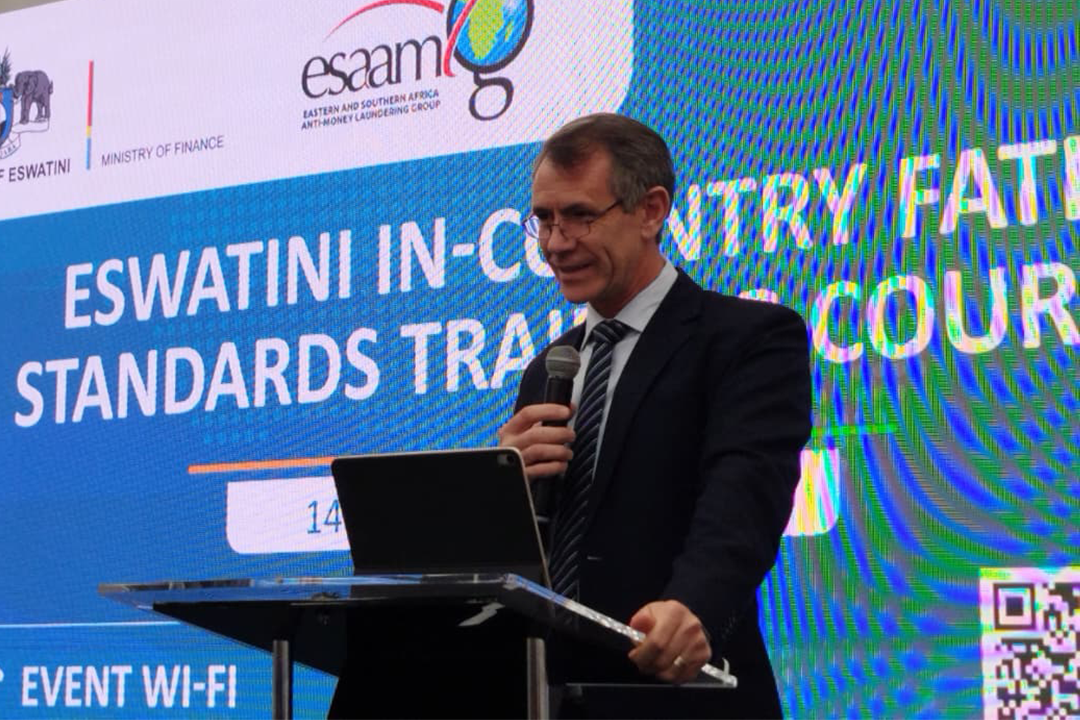
Finance Minister Neal Rijkenberg said the effective implementation of the Financial Action Task Force (FATF) Standards was critical to achieving these objectives when he officially opened the five-day In-Country FATF Standards Training Programme at the Central Bank of Eswatini on Monday morning.
“For Eswatini, the effective implementation of the FATF Standards is essential to promoting financial sector stability, strengthening investor confidence, protecting our economy, and preventing the misuse of our financial system by criminal elements,” Rijkenberg said.

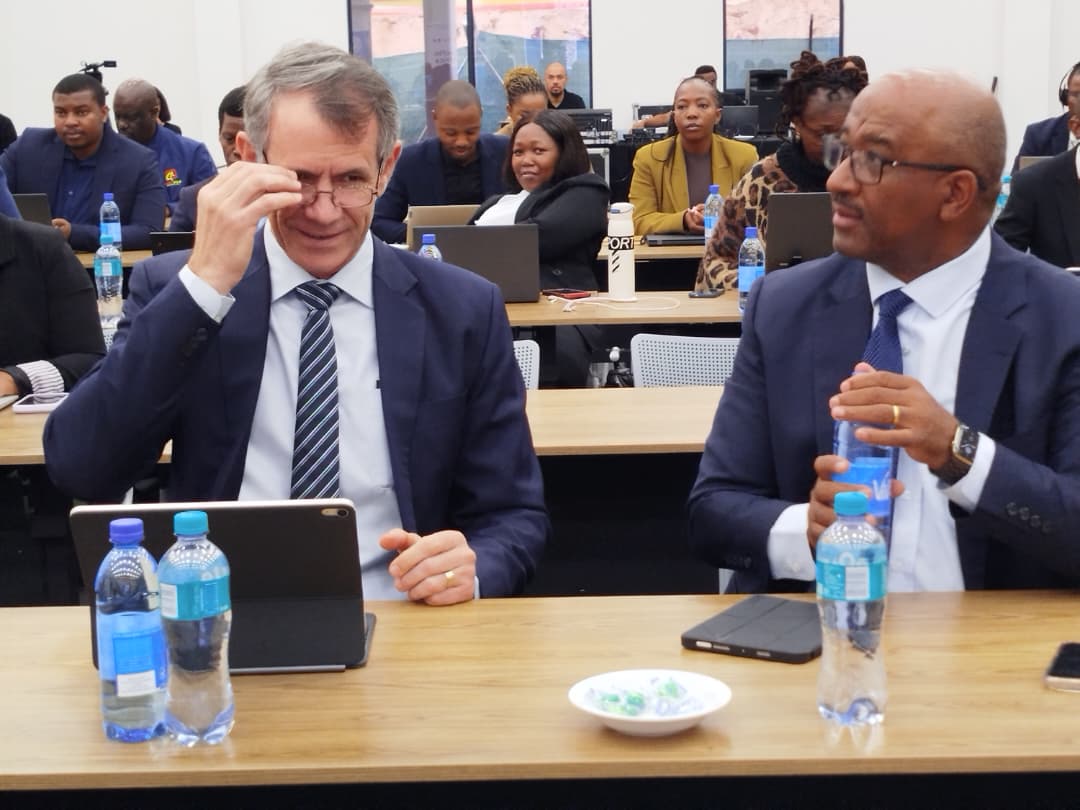
The training, hosted by the Ministry of Finance in collaboration with the Eastern and Southern Africa Anti-Money Laundering Group (ESAAMLG), is aimed at strengthening the practical capacity of key stakeholders responsible for implementing the FATF Standards.
Rijkenberg said the standards provide a globally recognised framework for protecting financial systems from illicit financial activities.
He said Eswatini had made significant progress since the adoption of its Mutual Evaluation Report in 2022, particularly in addressing technical compliance deficiencies identified during the assessment.
The Minister highlighted the enactment of the Anti-Money Laundering, Counter Financing of Terrorism and Proliferation Financing (Miscellaneous Amendments) Act, 2024, saying the legislation had substantially strengthened the country’s legal and regulatory framework.
According to Rijkenberg, these efforts have resulted in Eswatini being re-rated on 18 FATF Recommendations, with the country now rated Compliant or Largely Compliant on 32 of the 40 recommendations.
“While we are encouraged by these achievements, we recognise that there is still work to be done, particularly in demonstrating the effectiveness of our measures and ensuring their consistent implementation across all sectors,” he said.
Rijkenberg urged institutions represented at the training to take ownership of their AML/CFT/PF obligations and turn the knowledge gained into practical action.
He called for stronger compliance with national laws, prompt reporting of suspicious transactions, enhanced risk-based supervision and closer cooperation with the Financial Intelligence Centre and law enforcement.
“Our success as a country will not be measured solely by the laws we have enacted, but by our ability to demonstrate effective implementation and meaningful results,” Rijkenberg said.
Meanwhile Central Bank of Eswatini Governor Dr Phil Mnisi called for a coordinated national effort to strengthen the country’s anti-money laundering, counter-financing of terrorism and proliferation financing (AML/CFT/PF) framework.
Mnisi said the FATF Standards Training comes at a critical time as the country prepares for the assessment.
“This training comes at a critical time as Eswatini continues to strengthen its AML/CFT/PF regime and prepare for the upcoming Mutual Evaluation,” he said.
He explained that the evaluation would assess not only Eswatini’s laws and regulations but also how effectively the country implements measures to combat financial crime.
“It is therefore essential that all stakeholders possess a sound understanding of the FATF Standards and their practical application,” Mnisi said.
The Governor said knowledge gained from the training would help strengthen compliance, improve institutional controls and enhance the effectiveness of the national AML/CFT/PF framework.
He further stressed the need for all institutions to work together ahead of the evaluation.
“Success will require a coordinated, national approach,” Mnisi said, adding that every institution had a critical role in demonstrating Eswatini’s effectiveness and commitment to maintaining a robust framework that protects the financial system and economy from illicit financial activities.
The training runs from September 14 to 18 and is expected to further strengthen Eswatini’s preparedness for future assessments and its ability to combat financial crimes.
#Eswatini #FATF #ESAAMLG #MoneyLaundering #FinancialCrime #EswatiniPositiveNews