


BY SIFISO NHLABATSI
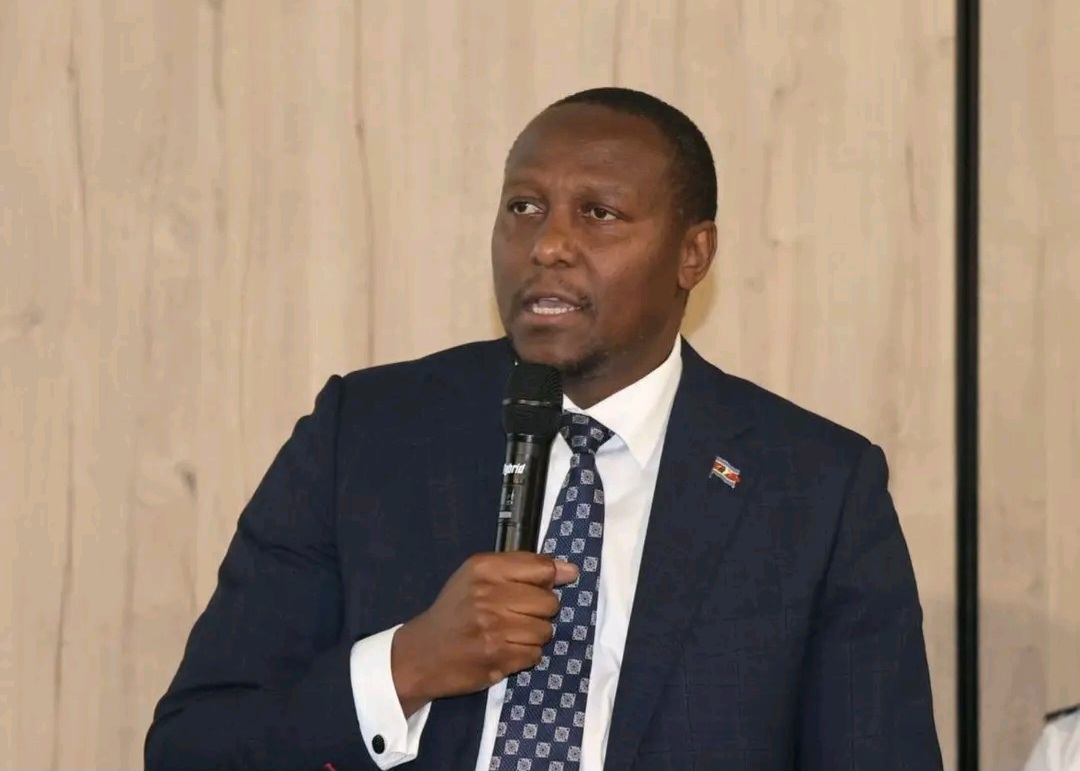
EZULWINI – Prime Minister Russell Mmiso Dlamini has taken issue with the standard of debate in Parliament, saying shouting, insults and attacks on personalities are increasingly taking the place of serious discussion on ideas that could move the country forward.
Dlamini said Parliament should be a platform where elected leaders challenge one another on policy, ideas and solutions rather than directing their energy at individuals.
“What we do in Parliament is not debating. We just rise, shout, make noise, insult, attack personalities, and we call that a debate? It’s not a debate,” said the Prime Minister.
He was speaking during the Kingdom Leadership and National Transformation Seminar in Ezulwini, which brought together Cabinet Ministers, Members of Parliament, Principal Secretaries and senior government officials.

The Prime Minister argued that genuine debate should allow leaders with differing views to interrogate ideas and eventually arrive at decisions that advance the interests of the country.
“You see, we must discuss ideas, ideas that are good. And when we get to the conclusion, or the resolution, it must be to build the nation,” he said.
According to Dlamini, that level of constructive engagement was currently lacking in Parliament.
“We lack that in our Parliament. What we need is civilization. We need people who are civilized and who would understand and pursue the greater purpose of why we are in Parliament,” he said.
His remarks placed the spotlight on the conduct of lawmakers and the responsibility attached to holding public office.
Rather than allowing political or personal differences to dominate discussions, Dlamini said leaders should remain focused on the purpose for which they were elected or appointed — serving the country and contributing towards national development.
His comments came during a broader discussion on leadership, integrity and transformation, themes that featured prominently during the seminar. Coverage from the event also recorded calls for leaders to put public service ahead of personal interests and for integrity to guide the conduct of public institutions.
‘CHANGE THE NEGATIVE MINDSET’
Dlamini also turned his attention to what he described as negativity among Emaswati towards their own country and one another.
He challenged citizens to rethink the tendency to regard foreign products, ideas and achievements as automatically superior to those produced locally.
The Prime Minister said national transformation required confidence among Emaswati in their own abilities and in what the country could produce.
He called on citizens to recognise local excellence and become more deliberate about the way they spoke about Eswatini and fellow Emaswati.
That message formed part of his broader call for a change in national mindset, with the Prime Minister arguing during the seminar that Eswatini’s transformation would require people who believe in the country and take responsibility for its future.
The seminar brought political and administrative leaders together to reflect on leadership, integrity and the role those entrusted with public responsibility can play in the country’s development.
Dlamini’s message to Parliament was clear: disagreement itself was not the problem, but leaders should debate ideas and solutions rather than personalities.