


BY THEMBA ZWANE
MBABANE – Family-owned businesses make a significant contribution to Eswatini’s Gross Domestic Product (GDP), while also providing employment and supporting the development of communities, government has noted.
Minister of Finance Neal Rijkenberg said this while officially opening the third edition of the Family Business Summit at Happy Valley Hotel on Thursday, September 24, 2026, on behalf of Minister of Commerce, Industry and Trade Senator Manqoba Khumalo.
Rijkenberg said government recognised the important role played by family businesses in the country’s economy and was committed to supporting efforts aimed at ensuring that such enterprises grow, expand into new markets and survive beyond the lifetime of their founders.
“As His Majesty’s government we have great respect and appreciation for family businesses because they make significant contribution to the country’s GDP; they provide the much needed employment opportunities; and they develop the communities around where they are located,” he said.

The Minister said one of the key strengths of family businesses was their ability to take a long-term view, arguing that this could help them remain sustainable through difficult economic periods.
“Unlike publicly traded corporations driven by quarterly results, family-owned enterprises often prioritise sustainability over immediate gains,” he said.
Rijkenberg said this long-term approach could enable family enterprises to withstand economic downturns and maintain continuity across generations.
However, he said Eswatini still had significant work to do to ensure that locally owned family businesses could achieve sustained growth.
He noted that many local family businesses had limited growth and often collapsed after the death of their founders, unlike businesses in other jurisdictions that had survived for generations.
He said the summit’s theme, “Building Resilient Legacies: Embracing a Multi-Generational Mindset,” was therefore particularly relevant.
According to Rijkenberg, the summit provided an opportunity for family-owned businesses to engage on best practices and governance arrangements that could enable them to expand, survive beyond the founders and create intergenerational wealth.
He said proper governance structures were also important in preventing conflicts within family businesses that could ultimately lead to their collapse.
“I hope that during this summit our family businesses will be assisted to set up proper governance structures and to resolve the conflicts that may cause destruction to the business,” he said.
“We do not want to return to the era of pointing out dilapidated structures which are the skeletons of businesses that were once successful. Instead we want to celebrate businesses that have survived for generations.”
Rijkenberg said Eswatini had an opportunity to develop family businesses into major enterprises capable of competing beyond the domestic market.
He cited the existence of major global brands that were either still family-owned or had originated as family businesses as an indication of what could be achieved.
“It is my hope that the family businesses in this country can also reach the level where they become global brands,” he said.
The Minister said government was willing to support efforts towards this objective and had established policies and initiatives intended to create an enabling environment for businesses.
Among these, he cited the Citizens Economic Empowerment Act, the MSME National Policy and the Ingelo Certification Scheme, which was recently rolled out to support Eswatini micro, small and medium enterprises already involved in local production of products with significant market potential.
Rijkenberg also called for the knowledge shared at the summit to reach a wider group of businesses, particularly MSMEs that might not have the opportunity to attend the event physically.
He expressed appreciation to the organisers and partners, including REDI, KPMG Private Enterprises, Standard Bank and Sothaba Enterprises Associates, for bringing the summit together.
He also welcomed participants from neighbouring South Africa, encouraging them to experience Eswatini beyond their business engagements.
“I hope that your schedule will not only confine you to the hotel but you will have time to sample some of our beautiful sights and experience our hospitality,” he said.
Rijkenberg said incorporating tourism into business visits should become common practice, highlighting the potential for business engagements to also promote the country’s tourism offering.
He further acknowledged local business owners participating as panellists, saying their involvement was important in ensuring that international and external expertise shared at the summit could be contextualised for the Eswatini business environment.
The Minister also spoke from personal experience, revealing that he was involved in family business himself and had experienced the challenges that such enterprises could face both during the lifetime of their founders and after their founders had passed away.
He said the country needed to build businesses that could thrive, expand into new territories and survive beyond the generation that established them.
Rijkenberg urged the organisers to ensure that the Family Business Summit continued as an annual gathering and that its information and lessons were made accessible to more MSMEs across the country.
The third edition of the summit brings together family-owned businesses and business stakeholders to focus on governance, succession, resilience and strategies for building enterprises capable of creating lasting wealth across generations.
#FamilyBusinessSummit #Eswatini #FamilyBusinesses #EswatiniEconomy #GDP #MSMEs #BusinessGrowth #IntergenerationalWealth #EconomicDevelopment #BusinessEswatini
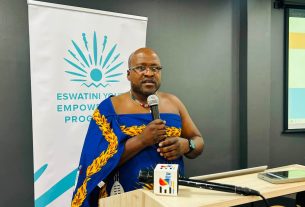
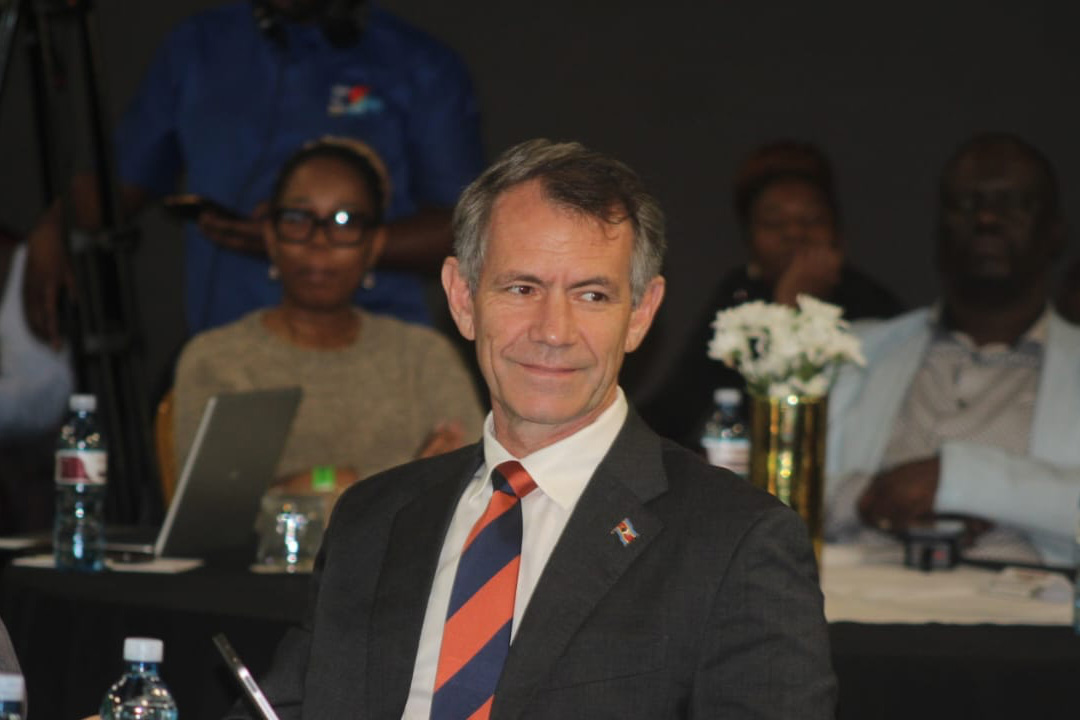
(Courtesy Pic)