


BY PHUMELELE GAMEDZE
MBABANE – Eswatini recorded 4 478 teenage pregnancy cases as government, parents, young people and partners gathered yesterday to examine what is driving adolescent pregnancies and strengthen prevention efforts.
The figures were presented during a regional conference on anti-teenage pregnancy organised by the Department of Gender and Family Issues under the Deputy Prime Minister’s Office, bringing young people, parents, stakeholders and partners together to listen to adolescents and discuss solutions.
According to the data presented, Manzini recorded 1 214 cases, Hhohho 1 182, Shiselweni 1 061 and Lubombo 1 021.
The figures show that teenage pregnancy remains a national concern, with every region recording more than 1 000 cases.

But behind every number is a young person whose education, health, family life and future opportunities can be affected.
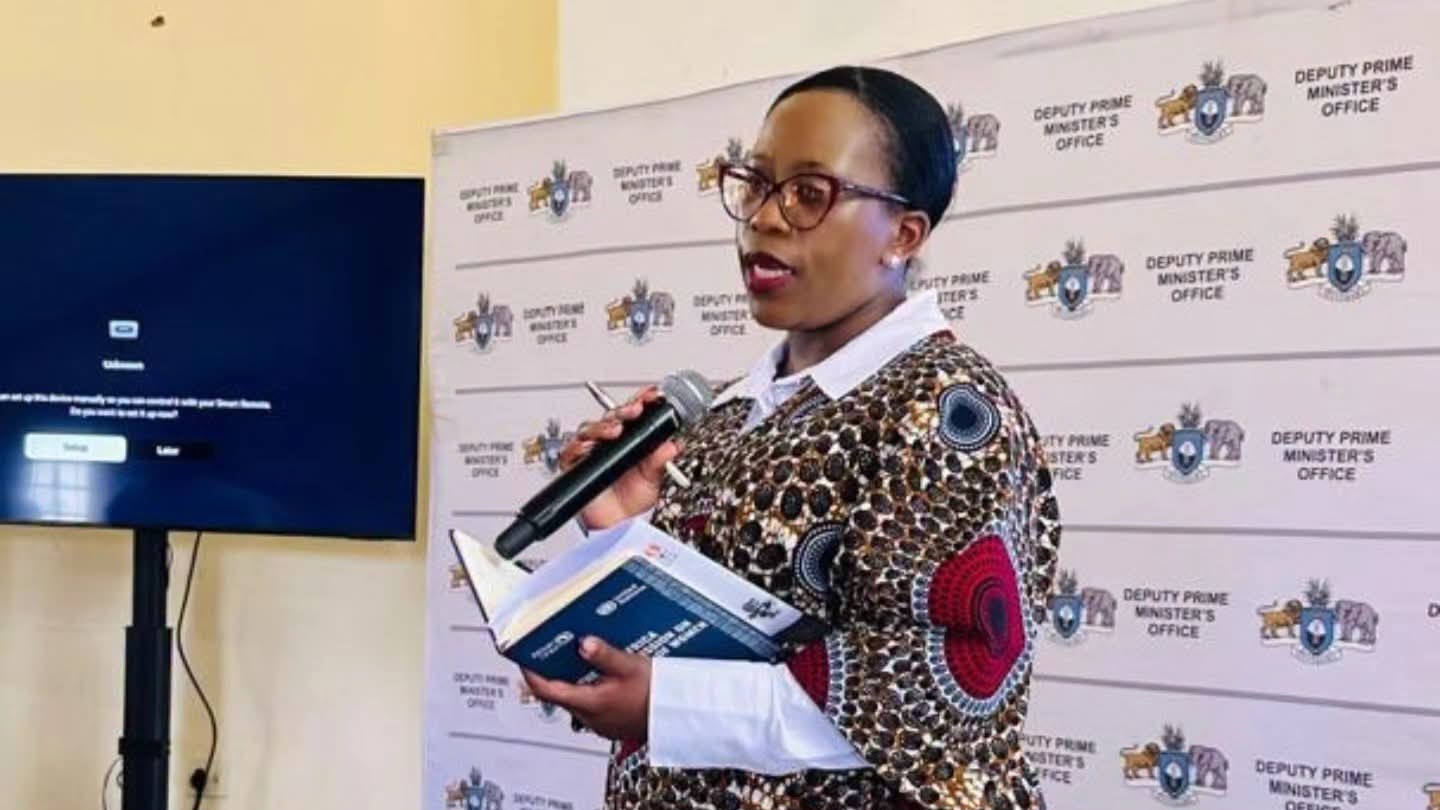
Representing the Deputy Prime Minister’s Office, Gender Coordinator Ms Nomzamo Dlamini emphasised that the response must go beyond recording statistics and address the circumstances that leave adolescents vulnerable to unintended pregnancy.
She stressed that preventing teenage pregnancy requires the involvement of the entire society, including parents, families, schools, communities, government, traditional and faith leaders, development partners and young people.
A key message from the conference was that prevention cannot begin after a girl becomes pregnant.
It must start much earlier, through honest communication between parents and children, accurate information, life skills, responsible decision-making and supportive environments where adolescents can seek guidance without fear, shame or judgement.
The country’s National Youth Policy identifies teenage pregnancy alongside challenges including poverty, gender inequality, limited sexual and reproductive health information and services, and barriers to education.
UNFPA data also shows that adolescent pregnancy is closely linked to socioeconomic inequality. Its country information indicates that early childbearing is substantially more common among young women from poorer households and that adolescents continue to face barriers to accessing reproductive health information and services.
For some girls, pregnancy can also mean stepping away from the classroom at a critical stage of their lives.
UNICEF has reported that teenage pregnancy is a major barrier to girls’ education in Eswatini, while the country’s National School Pregnancy Prevention and Management Policy allows pregnant learners and teenage mothers to remain in or return to school.
This means prevention and support must work side by side.
While communities must do more to prevent unintended pregnancies, young mothers also need opportunities to continue their education and rebuild their futures.
The conference placed young people at the centre of the discussion, recognising that adolescents must be heard when solutions affecting their lives are developed.
The challenges discussed included poverty, limited access to information and services, peer pressure, gender inequality, early sexual debut, inadequate communication between parents and children, as well as the vulnerability of girls to sexual abuse and exploitation.
For parents, the message is that conversations about relationships, sexuality, safety and responsible choices cannot wait until a child is already facing a crisis.
For communities, it is a reminder that protecting adolescents requires more than telling young people what not to do.
And for young people, it means creating spaces where they can ask difficult questions and receive accurate information without being judged.
The 4 478 cases presented at the conference therefore represent more than a number.
They point to young lives at a crossroads and to the need for families, schools, communities and institutions to act before another pregnancy changes the course of a young person’s future.
#EswatiniPositiveNews #TeenagePregnancy #YouthDevelopment #Eswatini
(Courtesy Pic)