


BY THEMBA ZWANE
EZULWINI– Eswatini is strengthening its disaster preparedness and early warning system through the introduction of Impact-Based Forecasting (IBF), an approach designed to move beyond simply predicting weather conditions to explaining what those conditions are likely to do to communities, infrastructure, livelihoods and human safety.
The National Disaster Risk Management Authority (NDRMA), in collaboration with the Eswatini Meteorological Service (EMS), is implementing IBF through the WISER ActionFirst™ Co-Production Programme, with technical support from the World Meteorological Organization (WMO) and funding from the Foreign, Commonwealth & Development Office (FCDO) of the United Kingdom Government.
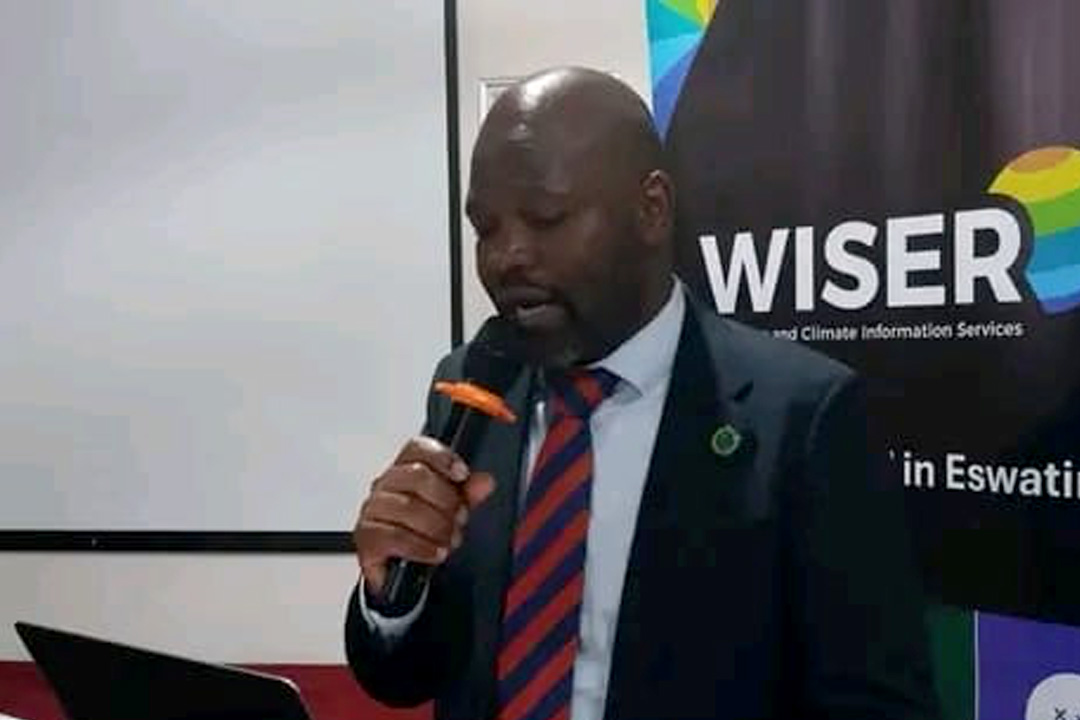
NDRMA Chief Executive Officer Victor Mahlalela said the approach was intended to make early warning information more meaningful and actionable by helping people understand not only the hazard that was forecast, but also its potential consequences and the actions they should take.
Mahlalela was speaking during the Impact-Based Forecasting Media Engagement Workshop held at Sibane Sami Hotel in Ezulwini on Tuesday, September 29, 2026.

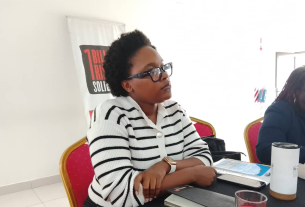
The workshop brought together media practitioners to strengthen their understanding of IBF and their role in communicating timely, accurate, accessible and actionable early warning information.
Mahlalela said the media remained one of the country’s most important partners in disaster risk reduction and early warning.
He said even the best forecasting technologies, technical expertise and warning systems would ultimately have limited value if information did not reach people on time, in a form they could understand and in a manner that enabled them to take appropriate action.
“This is at the heart of Impact-Based Forecasting,” Mahlalela said.
He explained that traditional weather information had largely concentrated on describing what the weather was expected to be, including the amount of rainfall anticipated, possible wind speeds or projected temperatures.
IBF, however, takes the process further by asking what the forecast weather would actually do, who and what could be affected, where the greatest risks were likely to occur and what actions people should take.
Mahlalela used heavy rainfall as an example, saying it was important for people to know when significant rainfall was expected, but that communities also needed information about the possible consequences.
Such rainfall could result in flooding in low-lying areas, disruption of roads, damage to infrastructure, impacts on livelihoods and threats to life and safety.
He said it was the connection between the hazard, its likely impacts and recommended actions that made early warning information more meaningful and actionable.
WIDE-RANGING CO-PRODUCTION PROCESS
According to Mahlalela, Eswatini had over the past months undertaken an extensive IBF co-production process involving a wide range of stakeholders.
These included government ministries and departments, technical agencies, municipalities, humanitarian and development partners, communities, marginalised groups and other stakeholders.
The engagement with the media was therefore a deliberate part of the implementation process.
Mahlalela said journalists, broadcasters and digital media practitioners were not simply recipients of early warning information, but formed a critical part of the country’s early warning chain.
When a warning was issued, he said, the media played an important role in translating technical information into messages that could reach households and communities across the country.
He pointed to the words journalists used, the questions they asked, the platforms they utilised and the urgency with which they communicated information as factors that could influence whether people understood warnings and responded appropriately.
STRENGTHENING MEDIA-INSTITUTIONAL COLLABORATION
Mahlalela said NDRMA wanted to strengthen its relationship with the Eswatini Meteorological Service and the media to ensure that warnings were communicated consistently, accurately and responsibly.
He said this was particularly important at a time when information travelled rapidly through social media platforms.
During emergencies, inaccurate or unverified information could spread as quickly as official warnings, he cautioned.
The NDRMA CEO therefore encouraged media organisations to remain trusted partners in verification, responsible reporting and the amplification of authoritative early warning information.
The media engagement workshop was specifically intended to provide an opportunity to discuss the effective interpretation and dissemination of warnings while strengthening collaboration between media practitioners and institutions responsible for early warning.
LEAVING NO ONE BEHIND
Mahlalela also emphasised the importance of ensuring that early warning information reached all sections of society.
He said communication must not leave people behind and should reach communities in both urban and rural areas.
He specifically highlighted persons with disabilities, older persons, young people and other groups that could face barriers when accessing information.
The NDRMA CEO said authorities must continue exploring different languages, formats and communication platforms to ensure that every Liswati had a reasonable opportunity to receive, understand and act upon warnings.
This people-centred approach forms part of the broader objective of strengthening a multi-hazard early warning system in Eswatini.
FROM FORECASTING HAZARDS TO ENABLING EARLY ACTION
Mahlalela urged media practitioners attending the workshop to participate actively in the discussions and contribute to strengthening the way Eswatini communicates risk.
He said the country’s objective should be to move from simply forecasting hazards to anticipating their impacts, communicating risk and enabling early action.
“Together, we can move from simply forecasting hazards to anticipating impacts, communicating risk and enabling early action,” he said.
He described the media as an essential partner in achieving this objective because effective early warning ultimately depends not only on the production of reliable forecasts, but also on whether the information reaches people in a form that is understandable and useful.
The IBF initiative is therefore intended to strengthen the link between scientific forecasting and practical decision-making, allowing communities and institutions to better understand potential risks and take timely and appropriate measures before hazards become disasters.
Mahlalela welcomed the media representatives and expressed hope that the workshop would result in productive deliberations and stronger collaboration between the media, NDRMA, EMS and other institutions involved in disaster risk management and early warning.
The workshop forms part of Eswatini’s efforts to strengthen a people-centred Multi-Hazard Early Warning System, with the media positioned as a key partner in ensuring that warnings translate into informed and timely action across the country.
#Eswatini #ImpactBasedForecasting #NDRMA #EswatiniMeteorologicalService #EarlyWarning #DisasterRiskReduction #ClimateAction #WISERActionFirst #WMO #FCDO #EarlyAction #DisasterPreparedness #WeatherForecasting #RiskCommunication
(Courtesy Pic)