


BY THEMBA ZWANE
MANZINI – The rising number of women with disabilities who fall pregnant and a reported 73% of pregnant adolescents who fear seeking medical care because they might be reported to the police for being minors is a serious concern to the Deputy Prime Minister’s Office (DPMO).
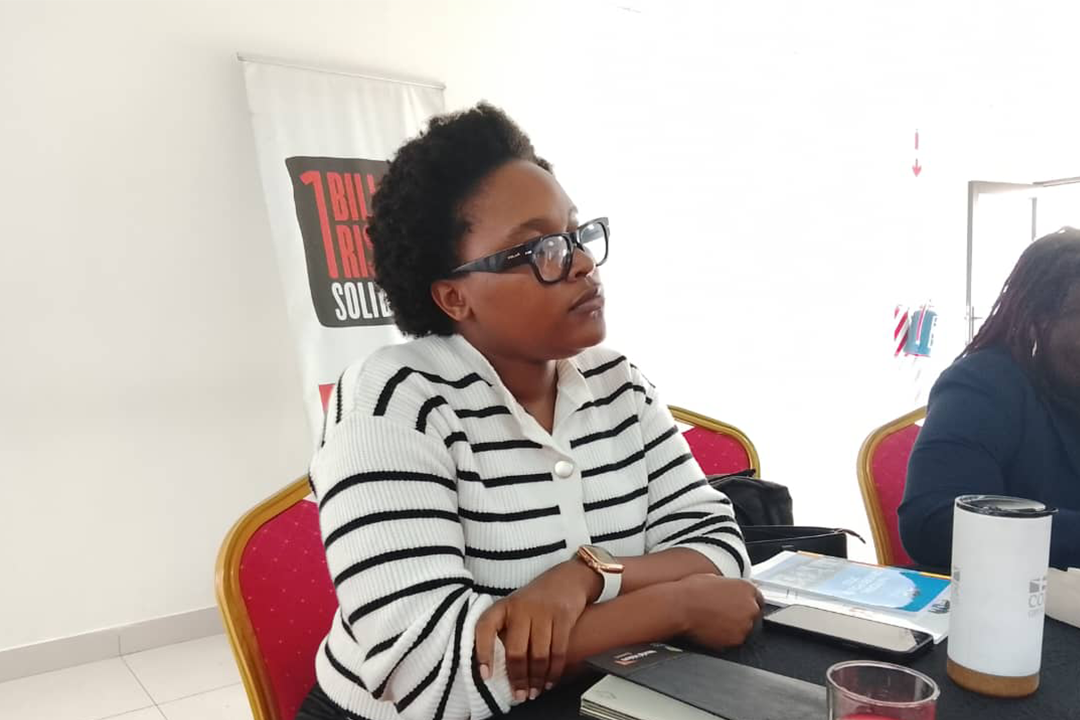
This transpired during findings delivery and unpacking of the Complex SRHR Traid Study conducted by One Billion Rising Eswatini/Journey of Hope for Girls and Women with the help of a consultant, at Alcon House, Manzini.
The concerns were raised by Nomvula Dlamini in the Gender and Family Issues under the DPMO and Sandile Ndzimandze under the Social Welfare department of the same office.
“The DPMO has noted with serious concern the rising number of women living with disabilities who are falling pregnant,” said Dlamini.
She noted that they found it difficult to understand that these women with special need actually consent to sexual intercourse.

“We have noted from the findings presented today that a staggering 73% of pregnant adolescents fear to seek medical attention from health institutions because the health workers might report to the police that underage girls are pregnant,” said Ndzimandze.

Meanwhile, the study revealed that unintended pregnancy is widespread and disproportionately affects younger, rural, and vulnerable women. Overall, 72.2% of women who had been pregnant reported that their last pregnancy was unintended, compared to only 27.8% that were planned.
The situation is particularly severe in rural communities, where only 17.2% of pregnancies were planned, meaning 82.8% were unintended. This suggests that unintended pregnancy is nearly universal among pregnant women in these areas.
Age-disaggregation is stark: among girls under 18, 93.3% of reported pregnancies were unintended. For women aged 18 to 24, the rate was 82.3%. Women aged 25 and above had a lower, but still significant, unintended pregnancy rate of 14%.
In absolute terms, 11% of all pregnancies recorded in the survey occurred among underage girls. Many of these cases were linked to statutory rape or coercion, highlighting serious concerns about consent and protection.
The findings suggest that many teenage girls are unable to exercise reproductive autonomy, with pregnancies often occurring without their planning or consent.
Overall, the evidence indicates that sexual and reproductive health (SRH) systems are failing to meet the contraceptive needs and protect the reproductive rights of girls and young women.
Despite relatively high levels of contraceptive availability, unintended pregnancy rates remain elevated.
This aligns with findings from the World Health Organization, which emphasise that improving access to contraception alone is insufficient.
Social, cultural, and legal barriers continue to limit effective use, particularly among unmarried women, adolescents, and those in rural areas.
Moreover, the fiscal burden is substantial.
The study’s economic analysis shows that each maternal death or case requiring post-abortion care due to unintended pregnancy or unsafe abortion results in significant direct and indirect costs to both families and the health system.
#OneBillionRising #SRHR #DPMO #Government #DevelopmentPartners #TeenagePregnancy #Study