


BY THEMBA ZWANE
MBABANE – The Anglican Church in Eswatini has been drawn into a major regional church debate after the Anglican Church of Southern Africa (ACSA) rejected two proposals seeking greater pastoral inclusion of LGBTQIA+ members, including prayers for Anglicans in committed same-sex unions and the development of a special liturgy for the LGBTQIA+ community.
The decisions were taken during the final session of ACSA’s 38th Provincial Synod, whose membership represents bishops, clergy and lay representatives from dioceses in South Africa, Eswatini, Lesotho, Namibia and St Helena.
According to a press release issued by the Anglican Church of Southern Africa and published by AllAfrica on September 24, 2026, the ruling body rejected both proposals after delegates voted on the motions during the Synod.
The first proposal, brought by representatives of the Diocese of False Bay, called for members of the church who are in committed same-sex unions to be prayed for within ACSA.

The motion was narrowly defeated, with 78 Synod representatives voting against it, 71 voting in favour and 10 abstaining.
The proposal was put forward by Dr Ashley Petersen of the Diocese of False Bay and seconded by the Rt Revd Stafford Moses, Bishop of False Bay.
The motion argued that ACSA should continue considering how to achieve greater inclusion within the church.
It referred to an appeal by Archbishop Thabo Makgoba, the president of the Provincial Synod, for the church to be inclusive of all its members.
The motion also noted that delegates had been encouraged during the Eucharist on September 21 to reflect deeply on inclusivity and on people who remain outside the church’s embrace, particularly members of the LGBTQIA+ community.
It further referred to the church’s Vision 2030 process, which seeks to welcome all, while acknowledging that previous decisions concerning exclusivity may have caused pain to people seeking inclusion, recognition, pastoral care and theological reflection based on dignity and justice.
The proposers grounded their argument in Matthew 18:18, which speaks of the authority and responsibility to discern and act in matters of conscience and pastoral care.
Had it passed, the resolution would have provided that members of the church in committed same-sex unions be prayed for within ACSA and required a report to be presented to the next Provincial Synod on how the ministry of inclusion was received.
SECOND PROPOSAL ALSO REJECTED
A second proposal, originating from the Diocese of Johannesburg, sought the development of an alternative liturgy specifically addressing the pastoral needs of the LGBTQIA+ community.
The proposal sought a liturgy that would be separate from and distinct from existing services dealing with Marriage, Thanksgiving for a Marriage, Reaffirmation of Vows and Blessing of a Civil Union.
The motion argued that such a service would help address pastoral needs while avoiding confusion between prayers offered in a pastoral capacity to LGBTQIA+ members or same-sex couples and existing marriage-related liturgies.
It was proposed by Revd Dr Matthew Wright of the Diocese of Johannesburg and seconded by Tebogo Molefe, also of the Diocese of Johannesburg.
This proposal was rejected by a substantially wider margin.
A total of 98 representatives voted against it, 61 supported it and 10 abstained.
The two votes therefore left both proposals without the required support of the Provincial Synod.
ARCHBISHOP MAKGOBA’S APPEAL
The votes came despite an appeal by Archbishop Makgoba for the Synod to consider those who feel marginalised by the church.
During the debate over inclusion, Makgoba referred to the range of things for which Anglicans already pray.
He pointed out that the church prays for inanimate objects and for people’s pets on St Francis Day, making the observation: “We pray for trees, we pray for cars, we pray for avocados!”
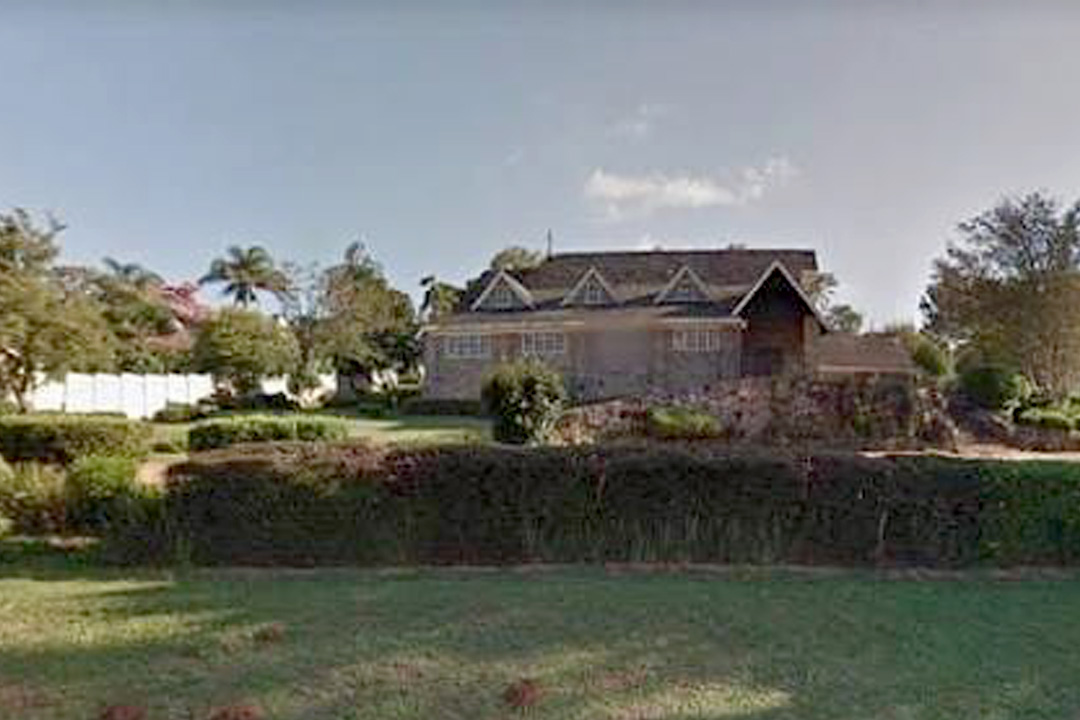
Makgoba grows avocados at Makgoba’s Kloof in Limpopo.
His intervention formed part of the wider discussion about the church’s approach to pastoral inclusion.
The rejection of the two proposals does not, however, mean that the question of LGBTQIA+ pastoral care was absent from the Synod.
Instead, the debate demonstrated continuing disagreement within the five-country Anglican province over how the church should respond to members of the LGBTQIA+ community.
ESWATINI’S PLACE IN THE DECISION
For Eswatini, the significance of the decision comes from the country’s place within ACSA’s provincial structure.
The Anglican Church of Southern Africa is not confined to South Africa. Its Provincial Synod brings together representatives from dioceses across South Africa, Eswatini, Lesotho, Namibia and St Helena.
This means that the discussions and resolutions of the Provincial Synod form part of the wider institutional life of the Anglican Church in Eswatini and the other territories within the province.
The September Synod therefore provided a regional platform for delegates from across the province to debate questions concerning pastoral care, inclusion and church practice.
The two rejected motions specifically sought changes in how ACSA would minister to people in same-sex relationships and the wider LGBTQIA+ community.
THE RESOLUTIONS
The first resolution, titled “Resolution on the Inclusion of Parishioners in Same-Sex Unions in the Church,” began by noting Archbishop Makgoba’s call for the church to be mindful and intentional about inclusion.
It also referred to the Eucharist held on September 21, where delegates were encouraged to reflect on people who remained excluded from the church’s embrace.
The resolution cited ACSA’s Vision 2030 and its objective of welcoming all, while noting the pain that previous decisions on exclusivity may have caused.
It ultimately sought approval for prayers for members in committed same-sex unions and a report to the next Provincial Synod on the reception of that ministry.
The second resolution addressed an “Alternative Liturgy” and described what its proposers regarded as a pastoral need within the LGBTQIA+ community.
It proposed a distinct liturgy, specifically differentiating it from the church’s existing marriage and relationship-related liturgies.
Both resolutions were ultimately rejected.
BROADER SYNOD DISCUSSIONS
The LGBTQIA+ resolutions were among several matters considered during the 38th Provincial Synod, held in Benoni, Ekurhuleni, from September 20 to 23, 2026.
The Synod also considered issues including ecological stewardship, church growth, inclusion of elderly and disabled people, gender-based violence and femicide, gambling-related harm and the church’s response to developments in technology and warfare.
A resolution on ministry to elderly people emphasised pastoral care, compassion and justice, while the Synod called on dioceses and other church bodies to appoint Disability Champions to advocate for greater access and inclusion of people living with disabilities.
The Synod also discussed environmental concerns, including the establishment of data centres, citing their potential consumption of electricity and water and the environmental and social costs carried by local communities.
Delegates endorsed a developing partnership involving ACSA, Vrije Universiteit Amsterdam and the University of the Free State, arising from Archbishop Makgoba’s sabbatical work and focusing on eco-theology and an Ecumenical Water Conference in Amsterdam.
The Synod also expressed concern about the proliferation of drones, weapons powered by artificial intelligence and directed-energy weapons, and said the church should reject investment in the arms industry.
On church growth, delegates mandated a task team to continue work on revising the current provincial vision statement and developing a Vision and Mission Statement 2030, with a renewed emphasis on theology and evangelism.
MAKGOBA’S FINAL PROVINCIAL SYNOD
The September gathering was also significant because it was the final Provincial Synod over which Archbishop Makgoba will preside.
The Synod expressed appreciation for his service as Primate of Southern Africa and gave him a standing ovation, with a tribute delivered by Revd Stephen Diseko, Bishop of Matlosane.
Makgoba is due to retire in September 2027 and therefore will not preside over another Provincial Synod.
The Synod also recognised theologian Professor John Klaasen, awarding him an Honorary Provincial Canonry in recognition of his ministry, scholarship and contribution to theological education for clergy.
The outcome of the two LGBTQIA+-related votes consequently forms part of a wider set of decisions taken at a significant moment in the leadership of the Anglican Church of Southern Africa.
For Eswatini, the developments are notable because the country’s Anglican church operates within the same provincial structure that debated and voted on the proposals.
The decisions now become part of the continuing regional discussion within ACSA about inclusion, pastoral care, church teaching and the treatment of LGBTQIA+ members.
#Eswatini #AnglicanChurch #ACSA #AnglicanChurchOfSouthernAfrica #LGBTQIA #ChurchNews #EswatiniNews #Mbabane #SouthernAfrica #ProvincialSynod
(Courtesy Pic)