



BY NOXOLO DLAMINI
PIGGS PEAK– Eswatini is strengthening the integration of gender, youth and just transition issues into its national climate reporting through a two-day stakeholder engagement workshop held in Ezulwini on October 1–2, 2026.
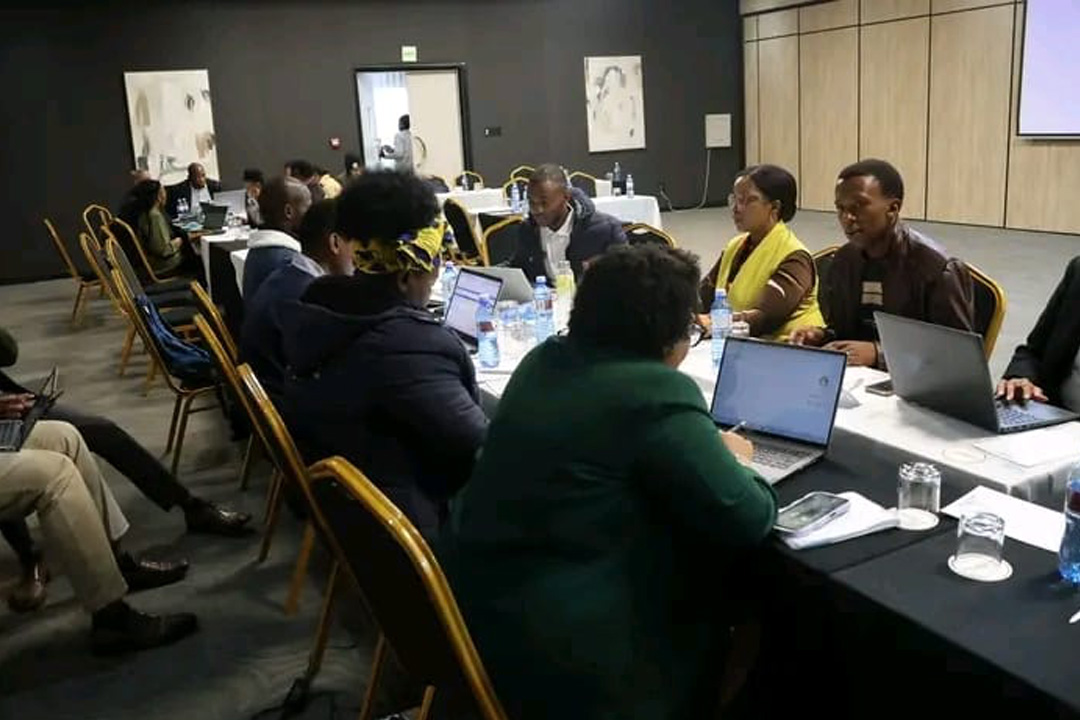
The workshop, convened by the Climate Change Unit under the Eswatini Meteorological Service, brought together government institutions, gender and youth representatives, civil society organisations and development partners to share, review and validate information needed for the country’s Second Biennial Transparency Report (BTR2) and Fifth National Communication (NC5) to the United Nations Framework Convention on Climate Change (UNFCCC).
The engagement focused specifically on strengthening the evidence base for the Gender, Youth and Just Transition chapter of the NC5, with participants working to consolidate verified data and inputs from different stakeholders.
A key objective of the consultation was to ensure that the experiences, needs and contributions of women and young people are adequately reflected in Eswatini’s response to climate change, while also strengthening consideration of a just transition.
The stakeholder validation process provides an opportunity for institutions and organisations working across different sectors to identify relevant information, address data gaps and ensure that information included in the national climate reports is accurate and representative.
The workshop forms part of Eswatini’s broader process of preparing its climate-related reports, which are intended to document national circumstances, progress and actions in addressing climate change under the UNFCCC.
By bringing stakeholders together to verify and consolidate information, the consultation is expected to contribute to more comprehensive and evidence-based reporting while ensuring that gender, youth and just transition considerations are meaningfully incorporated into national climate policy and reporting.
The engagement also highlights the importance of inclusive participation in climate action, particularly as climate change continues to affect communities and different groups in varying ways.
The validated inputs from the workshop will feed into the ongoing preparation of the BTR2 and NC5, strengthening Eswatini’s reporting to the UNFCCC and supporting a more inclusive approach to the country’s climate response.
#Eswatini #ClimateChange #GenderAndClimate #YouthAndClimate #JustTransition #ClimateAction #UNFCCC #BTR2 #NC5 #Ezulwini
(Courtesy Pic)