



BY NOXOLO DLAMINI
BULANDZENI- The Ministry of Health is set to bring a wide range of health services to the Bulandzeni community through a Malaria Roadshow at Mndandalazi Sports Ground on Friday, 9 October 2026, as the country intensifies efforts to prevent malaria and strengthen early detection.
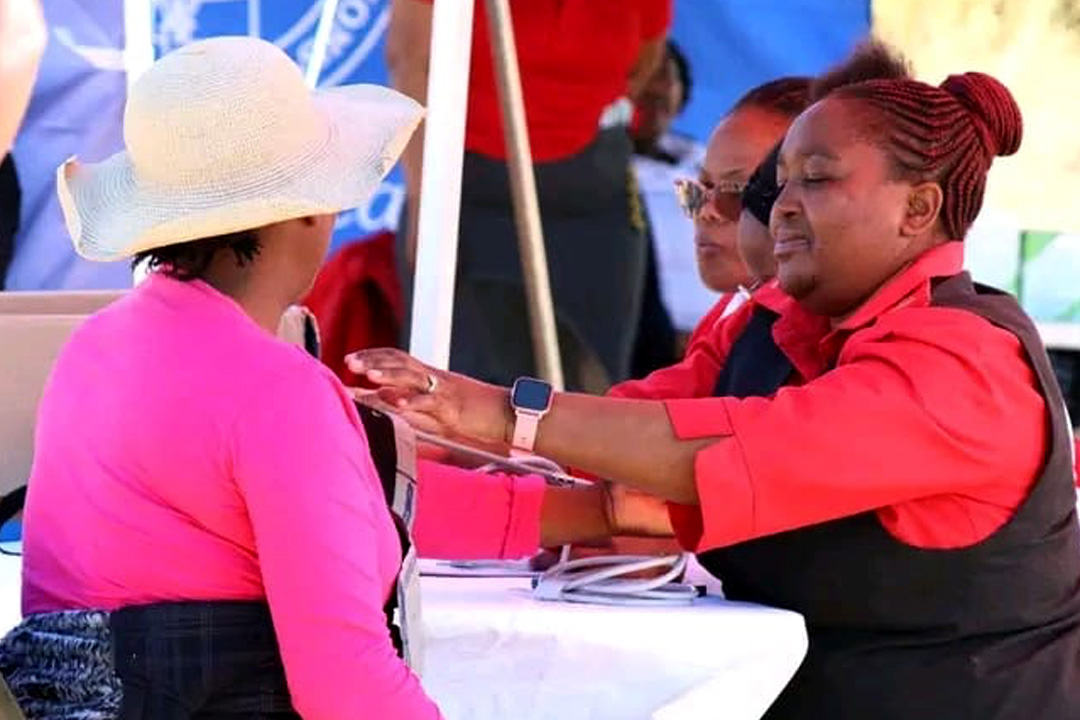
The roadshow, scheduled for 10:00am, will combine malaria prevention and screening with other essential health services, including HIV testing and services, tuberculosis (TB) screening, cancer screening and nutrition screening.
The initiative provides an opportunity for community members to access several services at one location while receiving information on how they can protect themselves and their families from preventable diseases.
KEEPING MALARIA GAINS
The roadshow comes at a time when Eswatini is maintaining its focus on malaria elimination. The World Health Organization (WHO) says Eswatini has set an ambition to eliminate malaria by 2028, with continued surveillance, vector control, early diagnosis and treatment and community participation identified as important to sustaining progress.
According to WHO, Eswatini recorded 375 confirmed malaria cases during the 2024/25 malaria season, with cases remaining largely concentrated in the country’s lowveld and border areas. The organization also noted that imported cases and cross-border movement continue to pose a risk of reintroduction.
This makes community awareness and early detection important even as malaria transmission remains low.
KNOW THE SIGNS SEEK HELP EARLY
Malaria is caused by parasites transmitted through the bites of infected female Anopheles mosquitoes. Common early symptoms include fever, headache and chills, which can initially be mistaken for other illnesses. WHO warns that untreated malaria can progress rapidly to severe disease.
Community members are therefore encouraged to seek testing when they develop symptoms rather than waiting for the illness to become severe.
Preventive measures such as sleeping under insecticide-treated mosquito nets and indoor residual spraying remain among the key interventions used to reduce mosquito bites and malaria transmission.
The Ministry’s roadshow will also expose residents to services beyond malaria, reflecting the importance of bringing primary healthcare and health education directly into communities.
The initiative is being supported by partners including the World Health Organization, UNICEF, the National Malaria Programme and Health Promotion Eswatini.
#BulandzeniMalariaRoadshow #MalariaFreeEswatini #MalariaElimination #HealthEswatini #MalariaPrevention #CommunityHealth
(Courtesy Pic)