


BY THEMBA ZWANE
EZULWINI – African countries have been urged to move beyond adopting continental teacher education frameworks and focus on their full implementation to strengthen and professionalise the teaching profession across the continent.
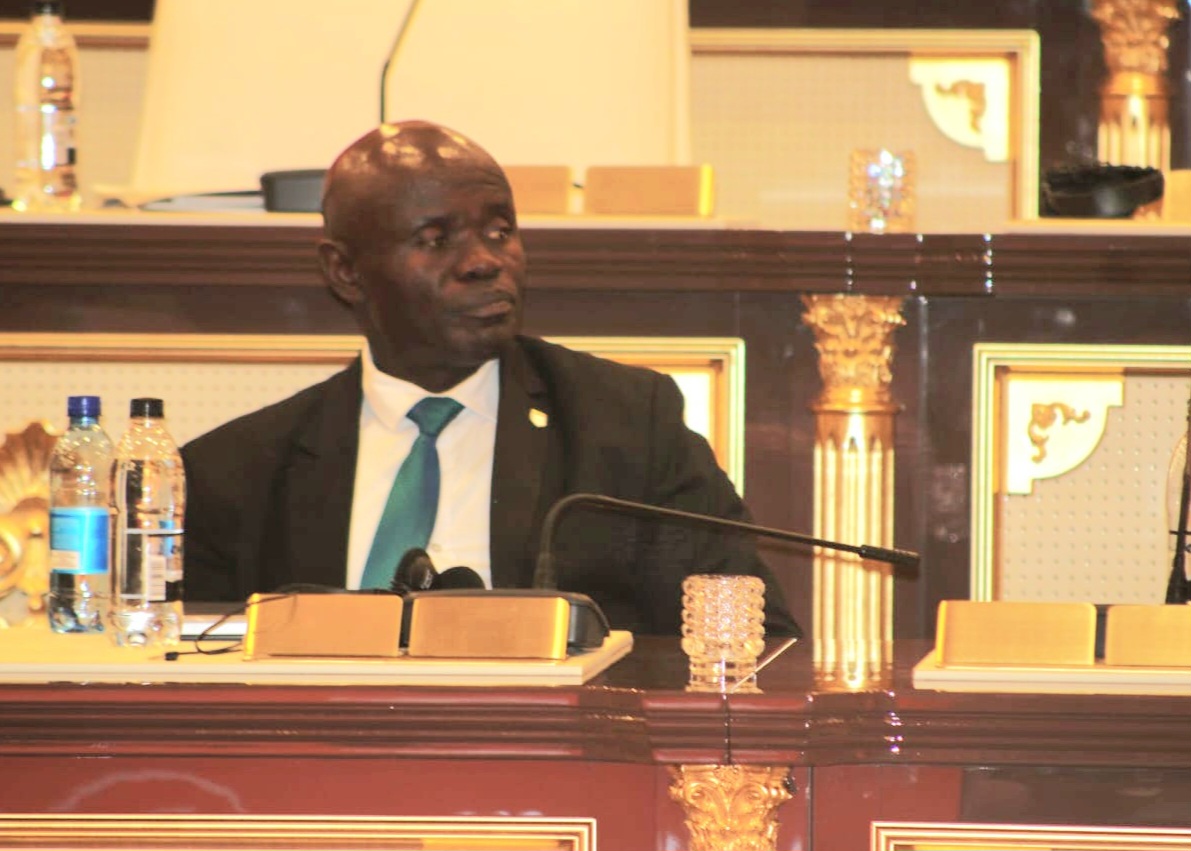
The call was made by Africa Federation of Teaching Regulatory Authorities (AFTRA) Dr Ebby Mubanga, who also serves as Registrar of the Teaching Council of Zambia, during the Pan-African Conference on Teacher Education (PACTED) 2026 held at the Ezulwini Palazzo International Convention Centre (ICC).
Dr Mubanga said AFTRA was working with African Union (AU) member states, particularly through their ministries of education, to promote a harmonised understanding of the teaching profession and accelerate the adoption and domestication of continental frameworks.
Among the key frameworks are the Continental Teacher Qualification Framework, the Continental Framework of Standards and Competences for the Teaching Profession and the Continental Guidelines on the Teaching Profession.

However, he stressed that domestication alone was not enough.
“Like it was mentioned, we need to domesticate. We don’t just end there; we also need to implement,” Dr Mubanga said.
He said AFTRA had been working with the African Union Commission, UNESCO International Institute for Capacity Building in Africa (UNESCO IICBA) and Education International (EI) to create stronger collaboration around the transformation of the teaching profession.
Research supported by UNESCO IICBA and led by AFTRA, together with other studies commissioned by the African Union and Education International, has examined the progress made by member states in domesticating the continental frameworks.
The research has also identified countries that are yet to domesticate the frameworks, as well as challenges affecting implementation and possible solutions.
Dr Mubanga said AFTRA was renewing its commitment to leading the process and encouraged African countries to take advantage of the federation’s technical expertise and guidance.
He said the objective was to ensure that all African countries became part of the continental effort to transform teaching and elevate the profession to global standards.
AFTRA’s influence has also grown beyond the continent.
Dr Mubanga highlighted the federation’s election in 2024 as Chair of the International Forum of Teacher Regulatory Authorities (IFTRA), the global umbrella organisation for teacher regulatory authorities.
AFTRA completed its tenure in 2026 and handed over the chairmanship to the Ontario College of Teachers in Canada at the 9th World Regulatory Conference held in Johannesburg, South Africa, from June 17 to 19, 2026.
The conference was organised by AFTRA and hosted by the South African Council for Educators (SACE), bringing together teacher regulators from different regions of the world.
It provided Africa with an opportunity to showcase its teacher policies, innovations and practices while exchanging experiences and best practices with other parts of the world.
The conference was officiated by South Africa’s Minister of Basic Education, Siviwe Gwarube, and attended by representatives of the African Union Commission, UNESCO IICBA, Education International, scholars and education experts.
Dr Mubanga also highlighted AFTRA’s 13th Conference and 15th Roundtable, held in Gaborone, Botswana, from May 4 to 9, 2026.
The gathering was hosted by the Ministry of Child Welfare and Basic Education and the Botswana Teaching Professionals Council, with Botswana President Duma Gideon Boko officially opening the conference and roundtable.
Education ministers who participated in the ministerial session reviewed policies relating to the professionalisation of teaching and called for the enactment of laws, establishment of national teaching councils and adoption of the AU Continental Teacher Framework.
According to AFTRA, these measures are necessary to safeguard the teaching profession while improving teacher quality and status.
The Gaborone conference also saw the launch of a continental framework focusing on winners of the AU Continental Teacher Awards.
Dr Mubanga said AFTRA wanted to ensure that recognition of Africa’s best teachers did not end with the announcement of the awards.
Instead, the federation wants award winners to be continuously empowered, showcased and supported so that they can serve as role models for teachers across Africa and create a multiplier effect from the projects associated with the awards.
AFTRA is also seeking to expand opportunities for African countries to benefit from international funding for teacher professional development.
Particular attention is being placed on open distance learning strategies and virtual laboratories, which can help countries develop teachers at scale.
Dr Mubanga said AFTRA had already implemented projects in these areas in partnership with the Commonwealth of Learning and other international sponsors, while seeking additional funding to extend the programmes to more African countries.
Another key priority is the professionalisation of school leadership.
AFTRA has, since 2024, developed a benchmark for continental licensure of school leaders and is working with the Africa Centre for School Leadership (ACSL) to align school leadership policies with the AU’s 2019 Continental Teacher Qualification Framework and Continental Framework of Standards and Competences.
The initiative is expected to support the eventual introduction of continental school leadership licensure.
Dr Mubanga appealed to development partners to support the funding of the programme, with the aim of making the licensure available to school leaders at little or no cost.
He described the period since the previous PACTED gathering as a momentous one for AFTRA, saying significant progress had been made in advancing the professionalisation of teaching and school leadership.
He called on all African countries to strengthen their participation in AFTRA, stressing that the federation was open to all African member states and that much of the technical expertise required to advance teacher professionalisation already existed within the federation.
Dr Mubanga said sustained cooperation among governments, teacher regulatory authorities, continental institutions and development partners would be essential to ensuring that Africa’s teacher profession was transformed and positioned to meet global standards.
#PACTED2026 #AFTRA #DrEbbyMubanga #TeacherEducation #TeachingProfession #AfricanUnion #EducationInAfrica #TeacherProfessionalisation #TeacherQuality #SchoolLeadership #Education #Eswatini #Ezulwini #Africa