



BY NOXOLO DLAMINI
PIGGS PEAK – A visit to a health facility could increasingly mean less reliance on paper files, faster access to patient information and improved sharing of medical data as the Ministry of Health continues to expand digital systems across the country.
The Ministry is now calling for increased domestic funding to sustain and expand the digital transformation of the health sector, saying technology has become central to improving healthcare delivery, quality of care and the availability of reliable information for decision-making.
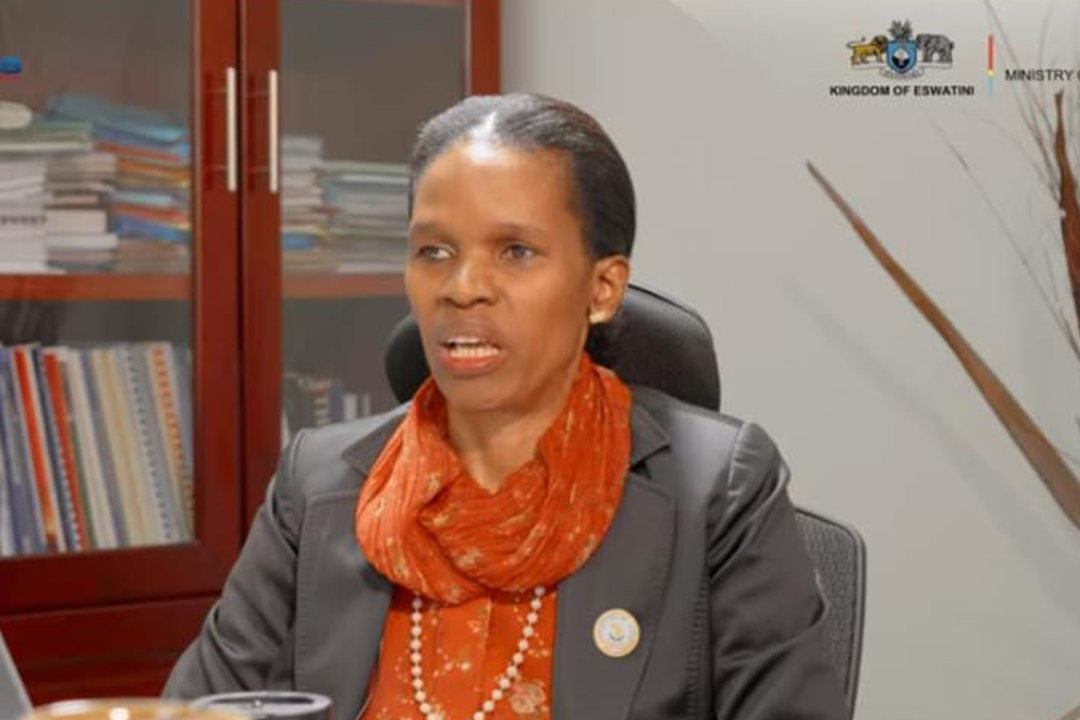
Acting Chief Information Officer Zanele Simelane said the Ministry had recognised that the traditional paper-based system could no longer adequately support the demands of a modern healthcare system.
“The Ministry of Health has been delivering services at facility level using a paper-based system. We realised that it is important to introduce digitalisation within the Ministry to improve healthcare service delivery, ensure improvement in the quality of care and also ensure real-time transmission of data for programming and policy decision-making,” said Simelane.

For patients, the change is significant.
A more connected health system can make it easier for authorised health professionals to access relevant patient information, support continuity of care and improve the movement of health information between different levels of the system.
The Ministry has already introduced several digital platforms.
At health-facility level, the Centralised Medical Information System (CMIS) supports electronic health information, while the Community-Based Health Information System (CBHIS) is being used to strengthen the management of health information at community level.
The Laboratory Information System has also been introduced, together with the Health Information Exchange, which is designed to allow different health information systems to communicate and share information.
“There is much that has been achieved when we look at the digital tools that have already been put in place,” Simelane said.
She identified CMIS, CBHIS, the Laboratory Information System and the Health Information Exchange as some of the major developments already undertaken by the Ministry.
Of particular importance, she said, was the Health Information Exchange because it helps connect the different components of the health information system and ensures that information does not remain trapped within separate platforms.
The transition, however, is about more than installing software.
It also requires reliable internet connectivity, appropriate equipment and infrastructure capable of supporting digital services at health facilities across the country.
Simelane said the Ministry of Health had therefore been working with the Ministry of Information, Communications and Technology to improve connectivity at health facilities.
“Even the infrastructure, the Ministry of Health has invested so much, working together with the Ministry of ICT in terms of connecting the facilities to try to improve the quality of care and the continuum of care,” she said.
The Ministry also believes digitalisation could improve information sharing between public and private health facilities, helping create a more coordinated national health system.
The challenge now is sustainability.
Digital systems require continuous funding for connectivity, maintenance, equipment, technical support, system improvements and expansion into health facilities that may not yet be fully connected.
Simelane said government funding would therefore be critical if the gains already made were to be protected and expanded.
“We are hoping that government will appreciate and realise the importance of prioritising domestic funding for digitalisation across the government sector,” she said.
The Ministry’s appeal places digital health financing firmly within the wider discussion about the future of healthcare in Eswatini.
As more medical services become dependent on timely and accurate information, the success of digitalisation could increasingly determine how quickly health workers access information, how effectively facilities coordinate care and how government plans its response to national health needs.
The bigger question now is whether domestic investment will keep pace with the technology already being introduced.
For the Ministry of Health, digitalisation is no longer simply an information technology project. It is increasingly becoming part of the infrastructure required to deliver modern healthcare.